The new Trojan horses in the EU? Orbán leaves, Fico takes over and Radev positions himself

-
CAT -
CAST
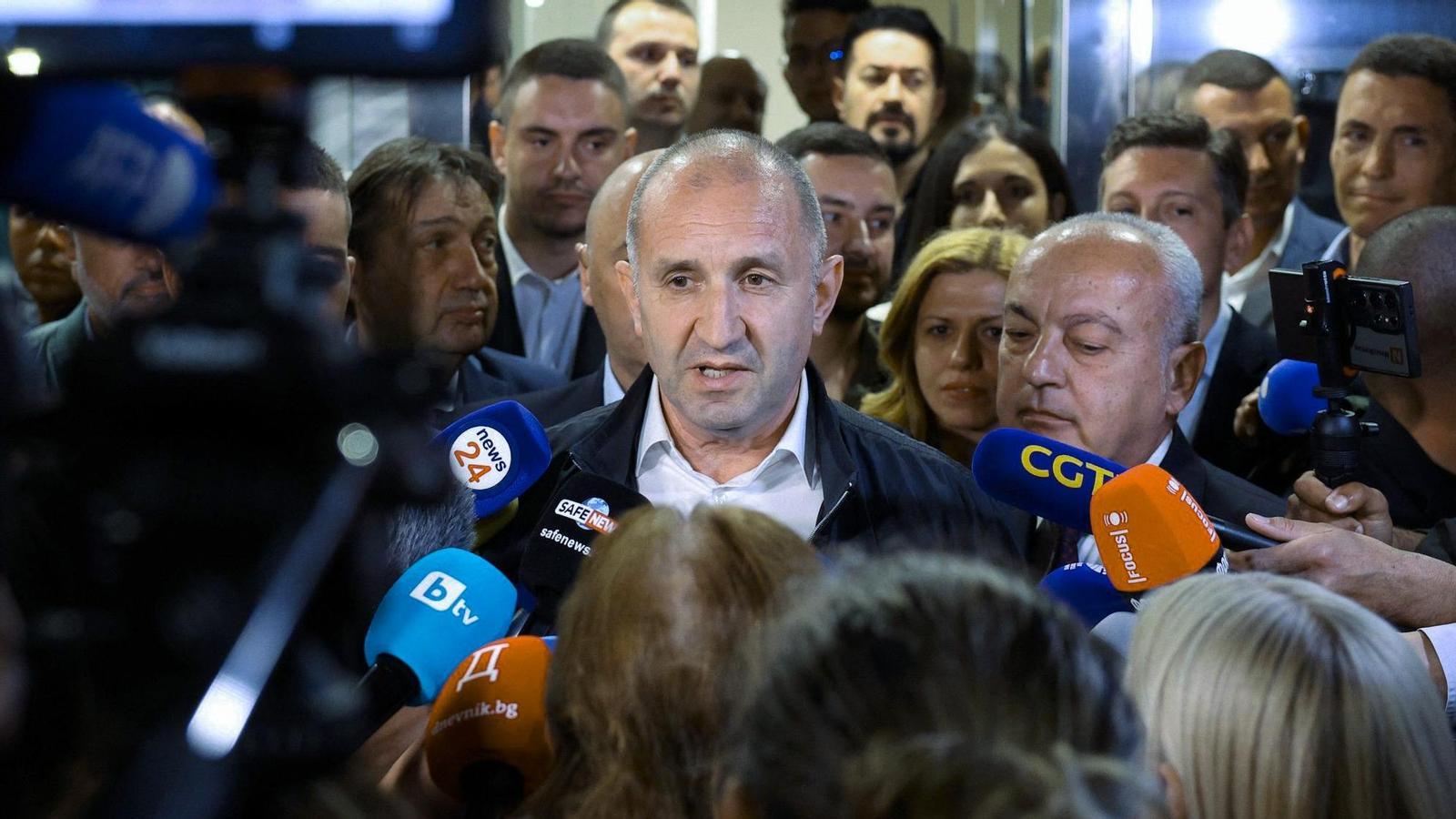
Be careful not to fall into the temptation of seeking analogies between Viktor Orbán's spectacular electoral defeat in Hungary and Rumen Radev's no less ostentatious victory in Bulgaria. The far-right leader of the Hungarian government has little to do with the former pilot and former head of the Bulgarian state. Radev is a populist, yes, but one who does not lose sight of his commitments to the European Union. Nevertheless, it is inevitable to point out that the Radev who will be invested as prime minister will not renounce his loyalty to Russia, a factor that may represent obstacles in community aid to Ukraine. A situation that invites, therefore, to wait and see.
For the moment, the Kremlin has celebrated Radev's arrival and, although Moscow has not referred to the past, few forget that Bulgaria was considered for decades the sixteenth republic of the USSR. A way of belittling it that would continue until the very end of the Cold War, when the Bulgarian communist dictator Todor Zhivkov was dismissed on November 10, 1989, the day after the fall of the Berlin Wall.
No coincidence and, indeed, the beginning of a transition full of political instability and corruption, which is what has led Bulgarian society to vote for a solid figure like Rumen Radev, even though he has not hidden his support for Moscow. But beware of this point: according to a survey published a few weeks ago – and which was echoed by CIDOB researcher Carme Colomina – 56% of Bulgarians want to continue having Europe as a priority partner and only 19% would opt for Russia. A situation that invites the new leader to be pragmatic and to implement a policy – if he implements one – that could have oscillating aspects, but avoiding leaning towards points of no return.
Robert Fico aspires to be the new Orbán
Precisely the opposite of what the Slovak Prime Minister, Robert Fico, is doing, who at this time boasts of being the new driver of the anti-European Trojan horse built by Viktor Orbán. Fico warned that Slovakia would continue to block the loan of 90,000 million euros that the EU has committed to Ukraine. But the loan was unblocked on Wednesday by the ambassadors of the 27 EU members: the Slovak representative did not use the veto. For Robert Fico, an ultra pro-Russian populist who presents himself as a “social democrat”, it will be much harder than for Viktor Orbán to embitter the lives of the EU: the Slovak is not as solid as the Hungarian. Fico is still recovering from the shooting attack he suffered in May 2024, shortly after the investigations by journalist Ján Kuciak – later murdered – which pointed to him as an associate of the Italian mafia.
All this, surrounded by accusations of corruption and misogyny. Fico allegedly managed, through pressure and threats, to get the country's president, Zuzana Caputova, to renounce a second term. Fico's relations with Putin continue to be well articulated, but those he has with Donald Trump do not seem to be: it has not yet been clarified whether Fico spoke or not with members of the European Council about “Trump's poor psychological state”, which the Slovak Prime Minister allegedly detected after his visit to the US President at the Mar-a-Lago residence.
We will have to be attentive to the movements, exits and outbursts of Robert Fico, especially when Viktor Orbán has disappeared from the political scene, and Rumen Radev begins his journey. Perhaps the anti-European Trojan horse has begun to fall apart, but there are still sequences to see the end of it.
