The mystery continues: one of those arrested at the RAF Fairford base called the police himself
The communication took place one hour before a neighbor alerted to the presence of hooded men in the area
-
CAT -
CAST
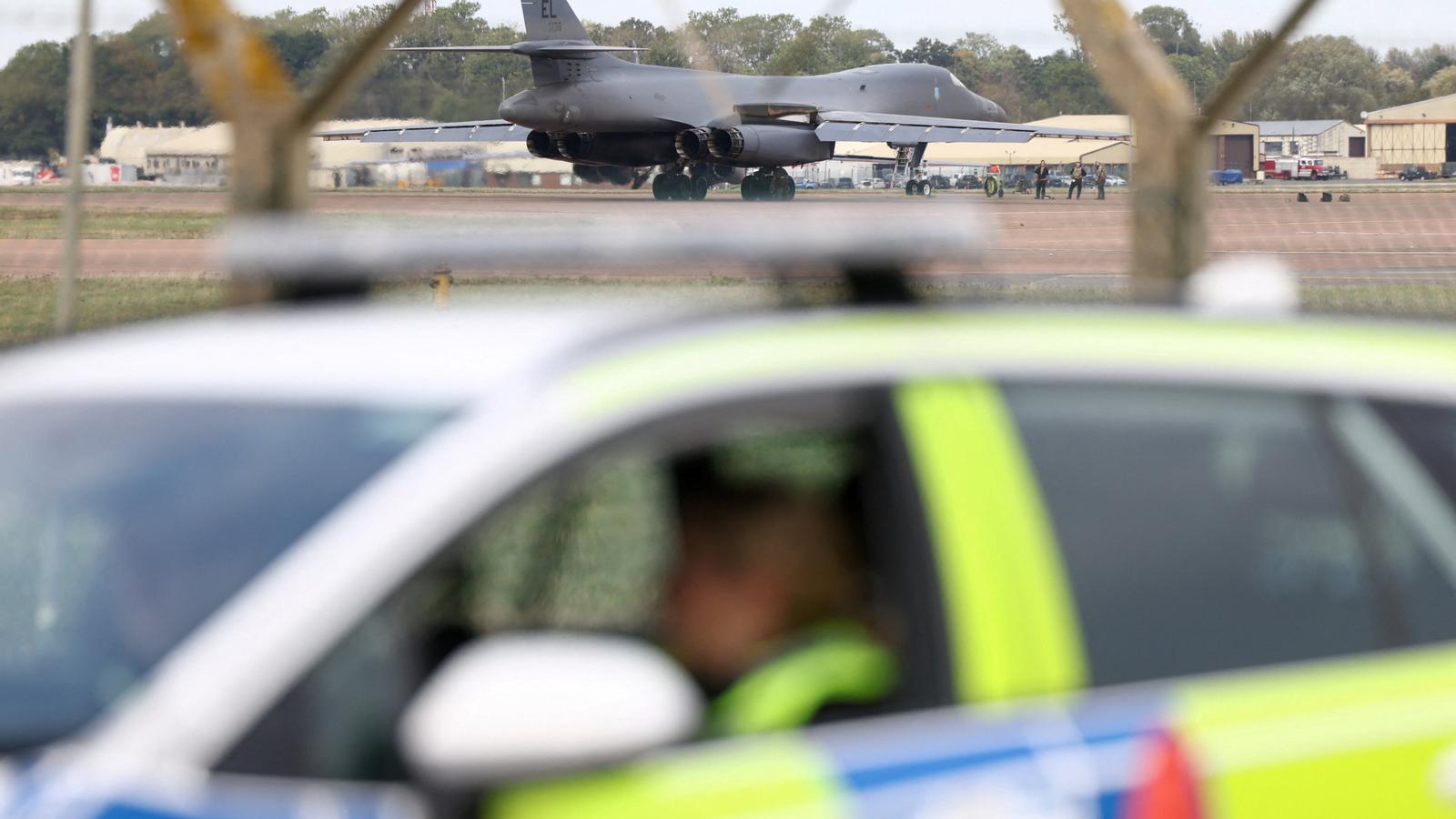
LondonThe alleged thriller international regarding the supposed attack on the RAF Fairford base, which in the early hours of Sunday shook the tranquility of the idyllic Cotswolds region, 160 kilometers west of London, offers all kinds of plot twists. The latest is revealed this Wednesday by the newspaper The Times, which reports that one of the five initially detained –all released on bail on Monday– called emergency services (999) almost an hour before the local farmer, who ended up triggering a major police operation in the face of a possible terrorist attack attempt against the military installation.
The mystery grows, then. And many more questions accumulate, without any precise answer for the moment. Neither what the detainees – aged between 23 and 25 – were doing around a high-security facility, key to United States operations in the Iran war, nor if they were planning an attack or sabotage there. Nor if, as US President Donald Trump and his Secretary of State, Marco Rubio, have claimed, there is a foreign power behind the events. A power, presumably Iran, which has denied any involvement in the increasingly inexplicable incident.
According to emergency service logs, the neighbor's call – after she saw three vans blocking access to her property, and detected a group of hooded men wearing balaclavas – took place in the early hours of Sunday, at 01:36. In fact, this was the second attempt she made to raise the alarm. The first, when she called the Ministry of Defence police directly, who oversee security at the base, was not answered.
The London newspaper's information, however, does not clarify whether the previous call from one of the suspects – who remain under investigation – was due to a desire to sow chaos or if the man had doubts about whether to go ahead with a specific plan. A plan, on the other hand, about which there is also no indication that has led the police to keep the suspects detained in application of anti-terrorism laws, before handing them over to judicial authorities. This legislation gives law enforcement forces fourteen days to interrogate a suspect before filing a case.
Quite the opposite. In fact, this Tuesday evening the investigators defended the decision to release them on bail. And they also revealed that in the search of the three vans with which they traveled to the area, they did not find any explosive device. They only found a certain amount of gasoline which, by itself, does not necessarily indicate criminal activity.
Scotland Yard Assistant Commissioner Laurence Taylor, head of the UK Counter Terrorism Policing, justified the release: "I understand why this development may have surprised many people, but I would like to reiterate that it is a decision made within the framework of the investigation and based on experience and a careful consideration of the powers available to the police".
Taylor added that his teams "have been working quickly to investigate the circumstances" related to the incident, including the search of several addresses in London, where the investigated individuals reside.
Donald Trump's incomprehension
The person who has not understood the police decision is Donald Trump. The Republican president said on Monday: "I am surprised that they have been released. I would not have done it. Look, [the British secret services] have acted very well. They have worked very closely with us. We know everything about them [the detainees]. We would not have released them". Trump had already commented hours earlier: "We had been tracking them for a long time and we finally caught them". And his head of diplomacy, Marco Rubio, later assured, on Monday evening, in statements to the Fox network, that "it is a situation in which there is clearly the hand of a foreign actor" behind it.
Perhaps Donald Trump was referring to another ongoing surveillance operation? This is the hypothesis that this Wednesday was launched on the BBC radio by the former agent of the London Metropolitan Police and former national coordinator of counter-terrorism police Nick Aldworth. "[The president] could have been talking about another matter", he said on the Today program, while recalling that MI5, the United Kingdom's domestic secret service, has about 800 investigations open simultaneously, "and some have an international dimension". What Aldworth has no doubts about is that the five detainees "would not have been released if there were signs that would allow for a terrorism charge to be brought".
