"The first man raped me twice; the second, once, and the third, four more": the women of Sudan speak
An MSF report documents more than 3,000 cases of sexual violence in Darfur, almost all at the hands of combatants

-
CAT -
CAST
Barcelona"We were taken to an open field [...]. The first man raped me twice; the second, once, and the third, four more times. The fourth also raped me once". "All the way, the militiamen asked the women to follow them and insisted when we refused. It happened everywhere. In the woods: two militiamen there, three more after a while. They were everywhere. Everything happened in broad daylight".Testimonies as chilling as these are common in the Darfur region, in Sudan, where in a couple of weeks it will be three years since the country has been immersed in a devastating civil war.
While the clashes between the Rapid Support Forces (RSF) and the country's army have sowed terror – to the point that the UN has warned of serious human rights violations – and hunger besieges more than 24 million people (40% of the population), sexual violence unfortunately goes unnoticed. However, it is widespread and constitutes another weapon of war for the two warring factions.
Between January 2024 and November 2025, at least 3,396 survivors of sexual violence were treated in centers with the presence of Doctors Without Borders (MSF) in North and South Darfur, Sudan. A figure that the organization indicates is only "a fraction of the true magnitude of the problem", considering that most cannot access medical care safely. 97% of the registered victims were women, and 95% had been abused by armed men, according to the organization's report.
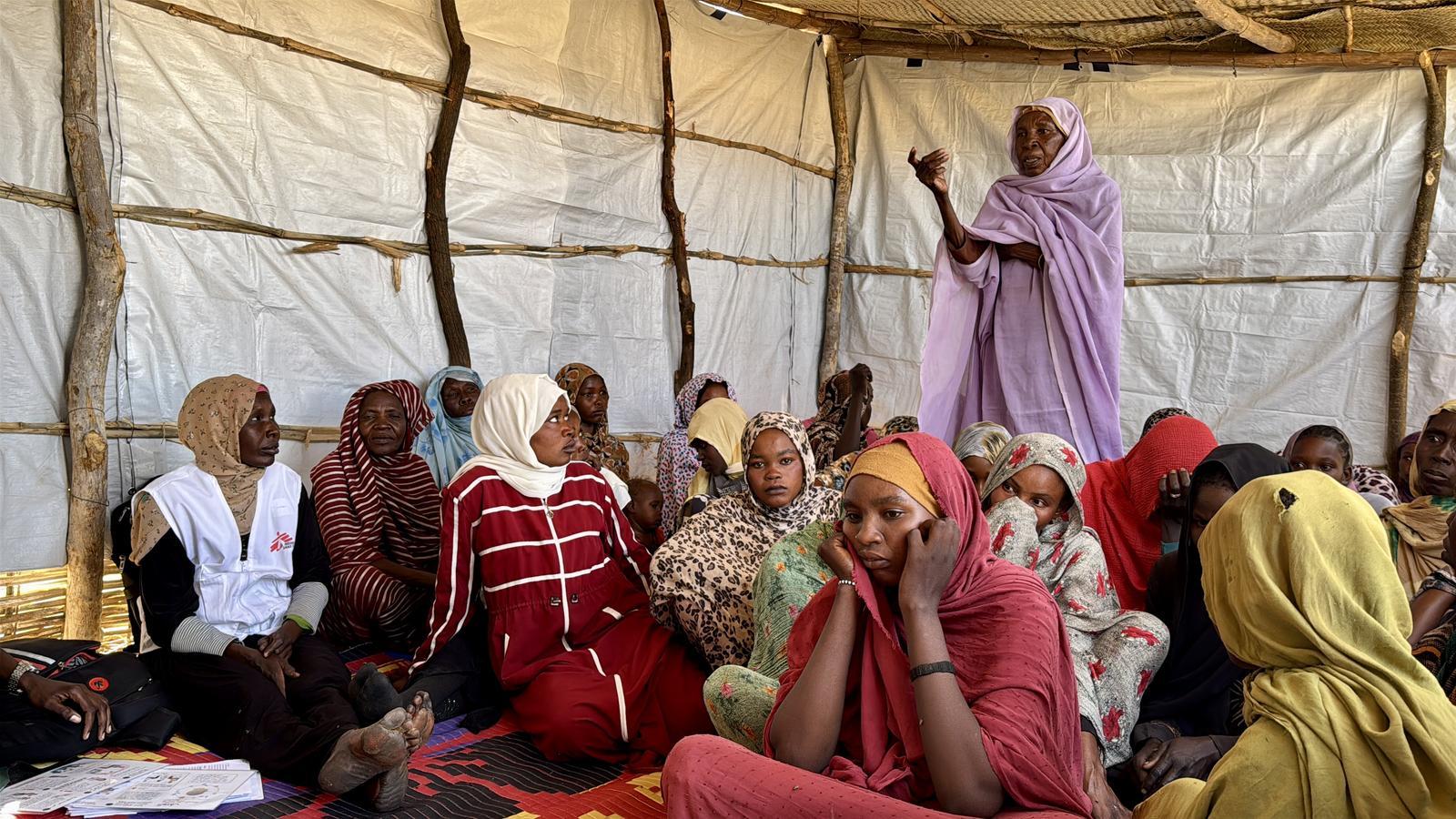
After the Rapid Support Forces captured the city of Al-Fashir, the capital of North Darfur, in October 2025, MSF treated more than 140 women who had been abused and were fleeing towards the city of Tawila, where there are refugee camps. The attacks were widespread and often perpetrated by multiple aggressors in front of their families, and deliberately targeted non-Arab communities as a form of humiliation and terror, as in previous atrocities by the RSF. To these must be added another 732 people whom MSF treated between December 2025 and January 2026 in the displaced persons camps in the vicinity of Tawila.
Beyond the front
This type of violence is not limited to the battlefield, but "is present in all communities," declares Ruth Kauffman, MSF's emergency unit health referent. The forced displacement of the population, the collapse of the community support system, the lack of access to medical care, and the great gender inequalities, she says, contribute to these types of abuses persisting throughout Sudan.
Survivors describe attacks not only during combat, but also in their daily lives: on roads used to flee violence, in fields where families cultivate food, in markets, and in displacement camps. "Every day, when people go to the market, there are four or five rapes. When we go to the cultivated field, the same thing happens. Men cover their faces and rape women," explains another witness.
After suffering abuse, many survivors face obstacles in accessing care: insecurity, stigma, and a lack of protection from the aggressor mean they are left unattended or decide not to report. To prevent this, MSF is making an international appeal to hold aggressors accountable and for humanitarian actors to urgently expand health and protection services in Darfur and throughout Sudan.
