Pakistan bombs Kabul and declares "open" war against Afghanistan
The escalation between the two countries is the most serious since the signing of a peace agreement last October, which ended a week of fighting.

-
CAT -
CAST
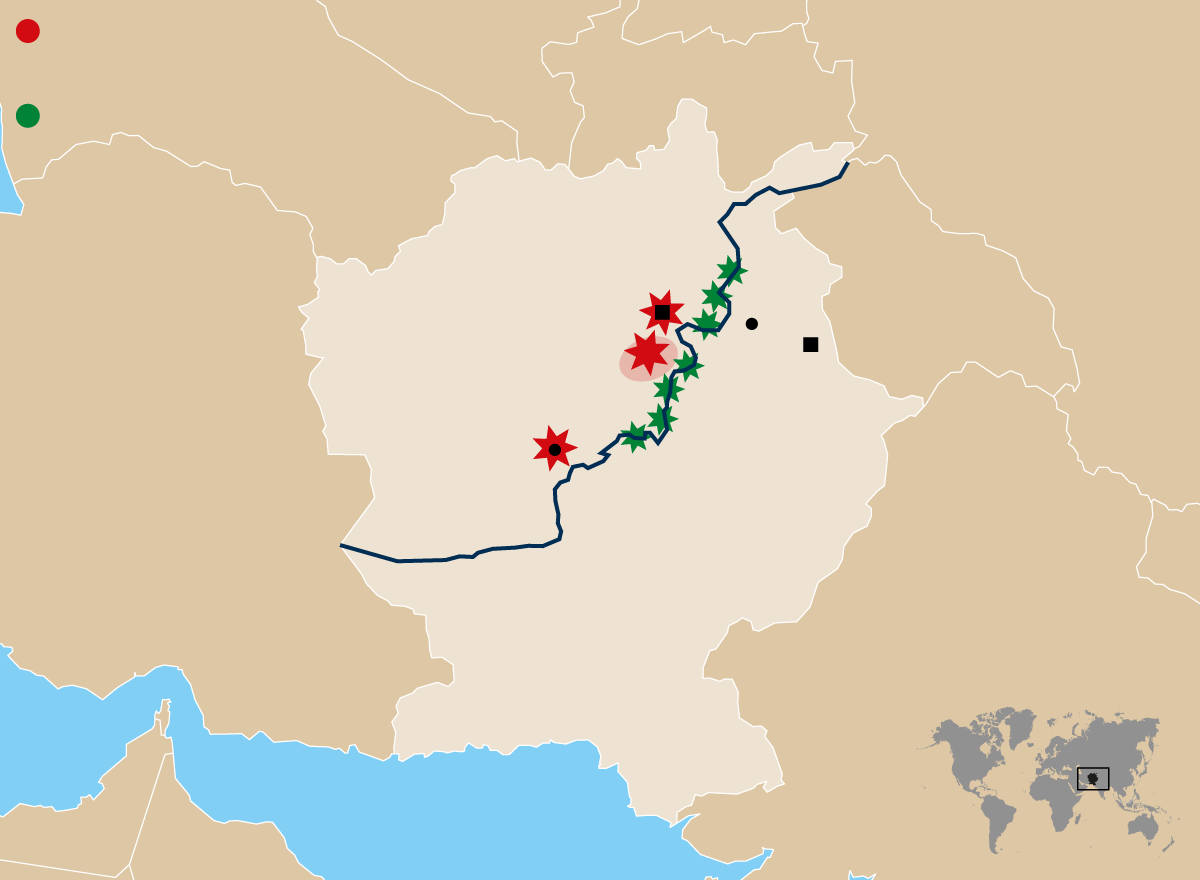
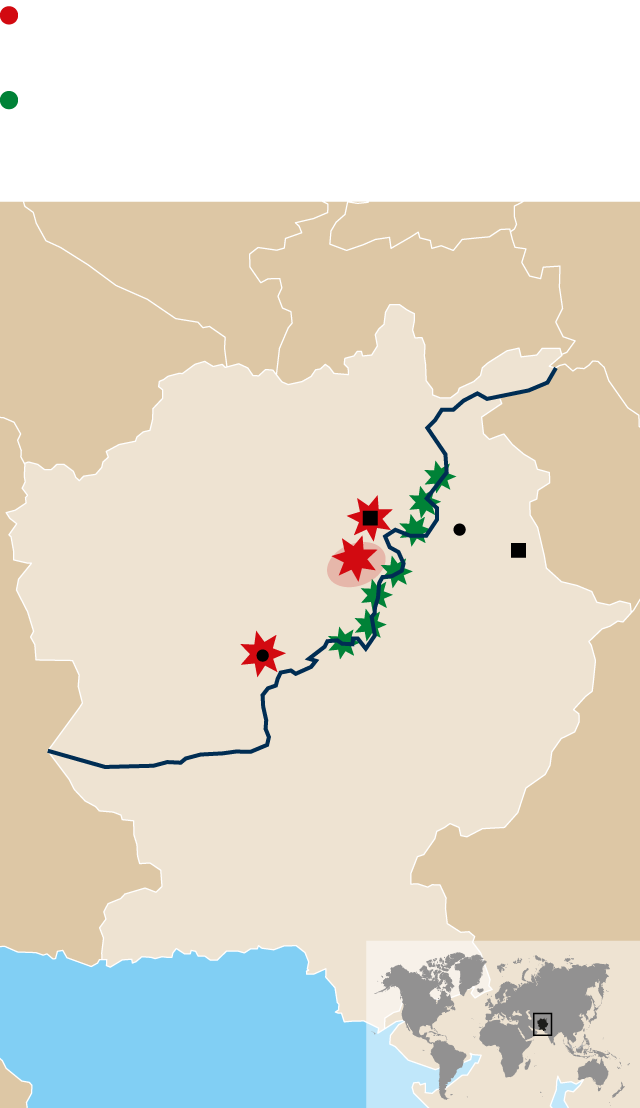
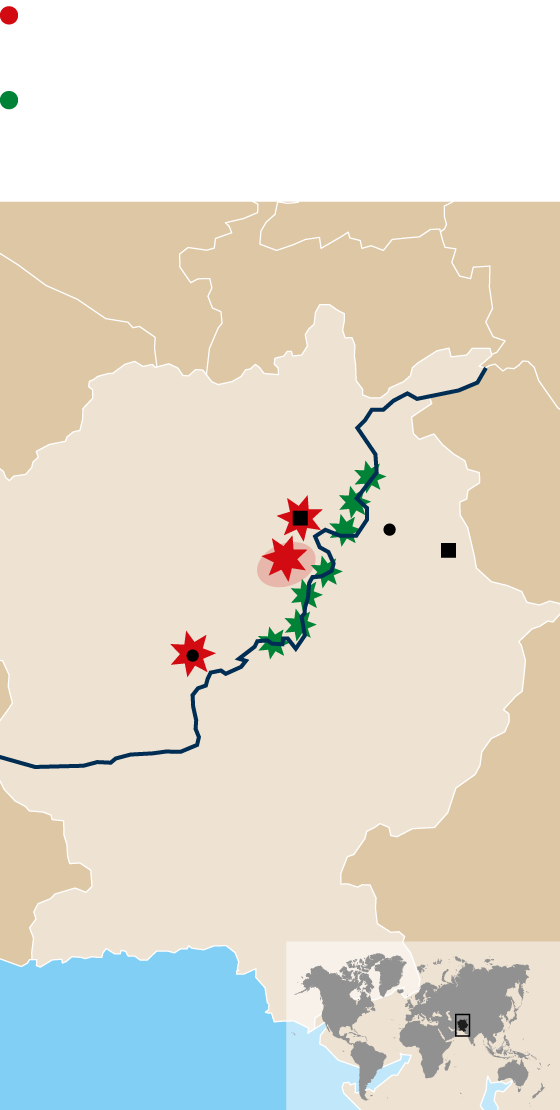
BarcelonaThe Pakistani army bombed targets in Kabul, Paktia, and Kandahar, Afghanistan, early Friday morning, effectively declaring open war in the neighboring country, with which it shares a 2,600-kilometer border. This wave of bombings marks the most significant escalation to date in the simmering conflict between the two countries, which began last October when Kabul and Islamabad agreed to a ceasefire after a week of hostilities. The current standoff is the most serious since the Taliban's return to power in August 2021. According to the Pakistani prime minister's spokesperson, speaking to the international press, the attacks targeted Afghan military objectives.
Atacs del Pakistan
Dues ciutats i una regió
Uzbekistan
Tadjikistan
Atacs de l’Afganistan
Majoritàriament en punts de la frontera, i asseguren que alguns objectius dins el Pakistan
xina
Afganistan
Caixmir
Peshawar
Kabul
Islamabad
Província de Paktia
Iran
Kandahar
Pakistan
Línia Durand
(la frontera)
Índia
mar d’Aràbia
Atacs del Pakistan
Dues ciutats i una regió
Atacs de l’Afganistan
Majoritàriament en punts de la frontera, i asseguren que alguns objectius dins el Pakistan
xina
Uzbekistan
Tadjikistan
Turkmenistan
Caixmir
Afganistan
Peshawar
Kabul
Província de Paktia
Islamabad
Kandahar
Pakistan
Línia Durand
(la frontera)
Iran
Índia
mar d’Aràbia
Atacs del Pakistan
Dues ciutats i una regió
Atacs de l’Afganistan
Majoritàriament en punts de la frontera, i asseguren que alguns objectius dins el Pakistan
Uzbekistan
Tadjikistan
Caixmir
Afganistan
Peshawar
Kabul
Província de Paktia
Islamabad
Kandahar
Pakistan
Línia Durand
(la frontera)
Índia
mar d’Aràbia
For its part, the Taliban regime spokesman asserted that the Pakistani attacks resulted in no casualties. "The cowardly Pakistani army has carried out bombings in some areas of Kabul, Kandahar, and Paktia," he said, adding that his country responded to the offensive with "major retaliatory operations against Pakistani military positions" in Afghanistan. In an official statement, the Taliban government also claimed to have launched several airstrikes against command centers and strategic military bases inside Pakistan. According to various international sources, the Taliban reportedly used drones for the first time to attack enemy positions.
Pakistani Defense Minister Jawaja Asif stated in a message to X that the Pakistanis' "patience" "has run out": "From now on, we are in open war," he concluded. Hours after the attack began, Pakistani Prime Minister Muhammad Shehbaz Sharif warned that the country's armed forces have the "full capability to crush any aggressive ambitions" and asserted that the armed forces would respond "forcefully" to any incursion.

Pakistan's declaration of "open war," in the words of the government, comes five days after the country launched airstrikes against alleged hideouts of Afghan militant groups operating primarily along the border known as the Durand Line. These attacks were met with a response from Kabul, with clashes in the same border area in the hours leading up to this morning's bombing. During the fighting, Pakistani authorities claim to have killed 133 Taliban fighters and wounded more than 200. The Taliban government, for its part, has reported 55 Pakistani casualties. Hours before the attack, the Taliban had declared the end of their latest offensive on the border, in which they claim to have confiscated "dozens of light and heavy weapons, ammunition, and military equipment." The Taliban government also warned that it has "sufficient resources" to respond to an attack from Pakistan: "If they act recklessly, we will respond in kind, and their important centers and major cities will be attacked," declared Afghan spokesman Zabihullah Mujahid.

historically tense relations
The establishment of the Durand Line between Pakistan and Afghanistan by the British Empire and the Emirate of Kabul during the colonial era divided ethnic groups, creating tensions that persist to this day. The international community, for the most part, and Pakistan recognize this line as the border with Afghanistan, but Kabul currently rejects it.
The aforementioned return of the Taliban to power in 2021 has further strained already complex relations between the two countries. The growth of militant groups such as the Tehrik-i-Taliban Pakistan The TPP has escalated hostilities and increased border tensions. Despite some attempts at negotiation in late 2025, relations have not improved, and in recent weeks clashes have intensified, culminating in this morning's declaration of war. Pakistan also accuses the Taliban of being behind terrorist acts in its country, such as the February 6 explosion at a Shia mosque in Islamabad, which left 31 dead and 169 wounded.

Militarily, Pakistan has a significant advantage. It is a major military power with hundreds of tanks and aircraft, as well as advanced defense technology. Meanwhile, the Taliban government in Afghanistan possesses military equipment abandoned by former Afghan and foreign forces. And, despite sanctions, several reports suggest it has been able to acquire military equipment through the black market. So far, there is no evidence that it has the aircraft or the capability to launch deep airstrikes inside Pakistan. However, as a group, the Taliban waged more than twenty years of war against the United States and its NATO allies, so their capacity to conduct guerrilla and unconventional warfare is more than proven. In the last clash, in October of last year, the Taliban government used drones to attack targets in Pakistan. Drones, which are cheap, small, and easy to use, will undoubtedly alter the nature of this conflict, just as they have changed battlefields around the world.
The difficulty in assessing how far this latest escalation might go stems, in part, from a lack of reliable information on both sides. The Taliban government does not allow easy access to foreign journalists, and verifying information, especially in border areas, is even more difficult. In Pakistan, obtaining this information is also not straightforward.

