New crisis in the Starmer government: the Minister of Defense resigns
John Healey resigns over disagreements on investment needed for the armed forces at "such a dangerous time"

-
CAT -
CAST
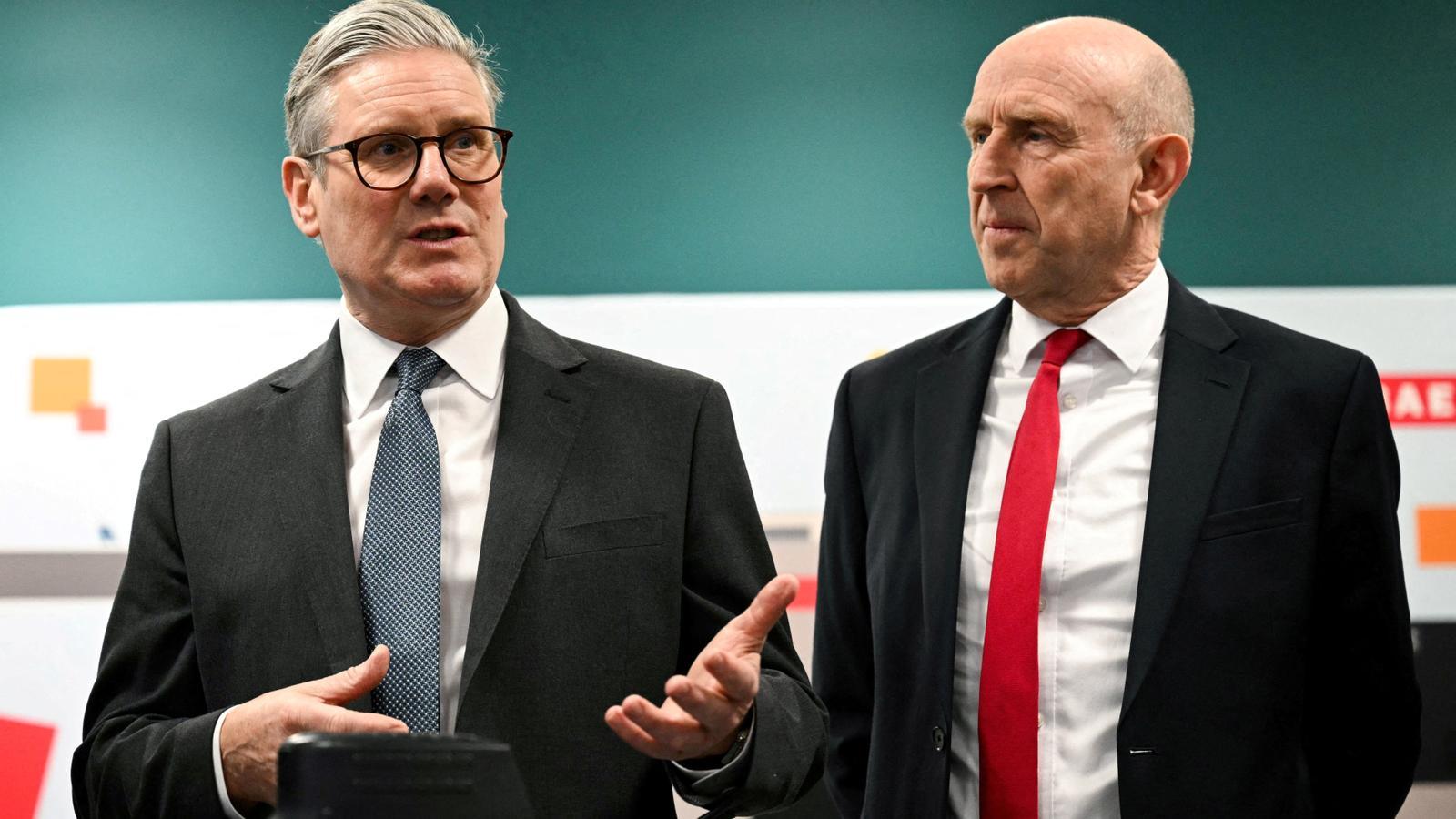
LondonNew crisis in Keir Starmer's government. British Defence Secretary John Healey resigned this Thursday in disagreement with the government's new military investment plan. Healey accuses Downing Street of not being up to the current geopolitical moment and denounces that the Defence Strategic Review plan has been significantly watered down after months of disputes between Number 10, the Ministry of Defence and the Treasury.
Hours after the resignation, his second-in-command and Minister of State for the Armed Forces, Al Carns, a former soldier with 24 years of service and a veteran of Afghanistan, also submitted his resignation. And a third official from the ministry, in this case Healey's parliamentary private secretary, MP Pamela Nash, also sent a letter of resignation to Starmer. All in all, another symptom of the decomposition of the premier's executive. Nevertheless, Starmer has hastened to appoint a new Defence Secretary in the person of Dan Jarvis, a former soldier with fourteen years of service in the parachute regiment.
The Defence Strategic Review plan was intended to "set out a ten-year vision to transform our armed forces, strengthen alliances, invest in the technology that is changing the way we wage war, and support British industry so that defence becomes a driver of growth," said the now former minister Healey in his resignation letter. But, as he has denounced in a tough letter to Starmer, "you have failed, and the Treasury has been unwilling to commit the resources the nation needs to defend the country at this time of growing threats".
The Treasury only offered an additional £10 billion over the next four years. The actual agreement was for an extra £13.5 billion, but military chiefs considered £3.5 billion of this to be little more than accounting operations. The final increase was only 0.08%. "The defence investment plan falls far short of what the armed forces and the country need at such a dangerous time," Healey states in his letter. The now former minister considered that an investment of an additional £18 billion per year was necessary from now until 2030.
Following the resignation, it is certain that the presentation of the strategic investment plan for the armed forces, which was due to be presented this week, will be delayed. Starmer would have liked to arrive at the NATO summit in early July, in Turkey, in a stronger position, and with clear accounts, to be able to face the usual criticisms from the President of the United States, Donald Trump, about London's lack of budgetary commitment to the Atlantic Alliance.
A country "less secure"
Healey, a man considered loyal to Starmer, has held ministerial positions since the time of Tony Blair. His resignation represents a severe political setback for the premieralmost a hundred Labour MPs called for Starmer's resignationAndy Burnham, Mayor of Manchester,, return to Parliament if he wins the Makerfield by-election, a prerequisite for launching his candidacy.
Just a few weeks ago, when almost a hundred Labour MPs called for Starmer's resignation following the catastrophic result of the local elections on May 7th, Healey was one of the ministers who spoke in favour of Starmer's continuity. Not by chance, in his farewell he begins by saying that "I would never have imagined having to write this letter, and I do so now with great sadness and reluctance".
