Iran reopens the Strait of Hormuz but Trump maintains the blockade of Iranian ships
Tehran considers the Lebanon truce good, despite Israel having continued bombing the Arab country

-
CAT -
CAST
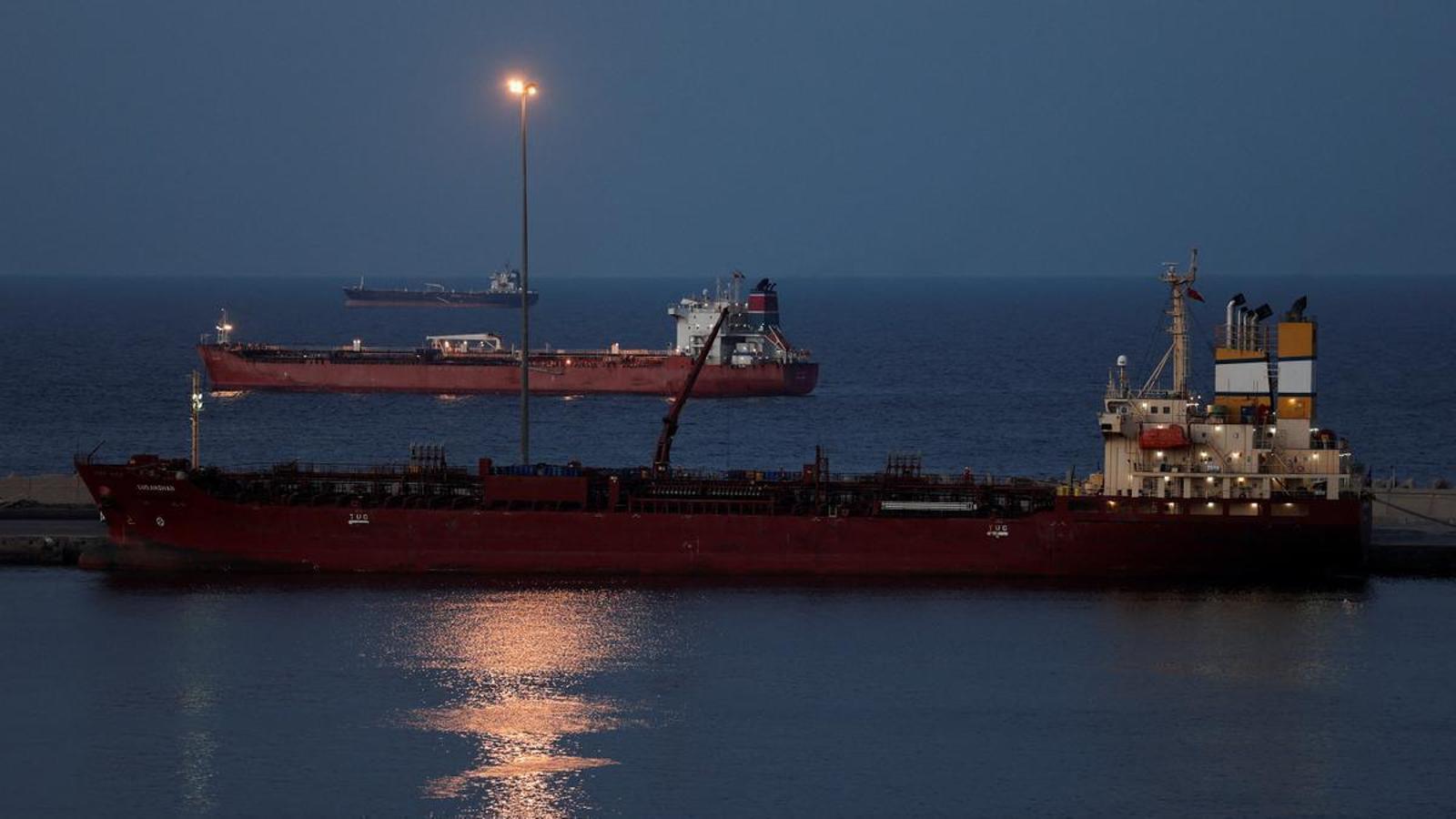
WashingtonIran announces that it is reopening the Strait of Hormuz in response to the 10-day truce resulting from US mediation between Israel and Lebanon. The Foreign Minister, Abbas Araghchi, said this Friday on X that they are unblocking the passage "for the remaining period of the ceasefire" in Lebanon, until the end of April. This deadline goes beyond the ceasefire agreed upon by the US and Iran. However, ship traffic will remain conditional on a toll imposed by Tehran, as vessels will have to follow the coordinated route as already announced by the Ports and Maritime Organization of the Islamic Republic.
US President Donald Trump celebrated the decision via Truth Social and said, in another post, but stated that he will maintain the blockade on Iranian ships. The Republican links the end of his siege to reaching an agreement with the ayatollahs, which he insists will be soon, "as most points are negotiated," according to him. The ceasefire between the US and Iran expires next Tuesday, and there is still no date set for a new round of peace talks, despite Pakistan, the mediating country, having expressed optimism about it.
Diplomatic sources explained to Al-Jazeera that a "major breakthrough" is expected regarding the nuclear issue. In fact, Trump also assured that the US "will keep all thedust created by the B-2 [bombers]," referring to the enriched uranium residue left buried under the ruins of the nuclear facilities that the Pentagon attacked in June of last year. The announcement has not been confirmed by Iran.
Enriched uranium in the hands of the ayatollahs is one of the main security concerns for the US, as it could be used for the manufacture of nuclear weapons. The US president focuses on highlighting the enriched uranium residue remaining in Fordow, Isfahan, and Natanz, as if they were the only reserves Iran has. Despite the Pentagon assuring that the buildings had been "completely" destroyed, satellite images from June 2025 showed significant and unusual movement of transport vehicles in the Fordow complex in the days before and after the attacks. Cranes, excavators, and truck convoys could be seen in the images.
In contrast to the barrage of American statements, the ayatollahs ration their words. Little is known about Tehran's perspective on diplomatic progress, although the reopening of Hormuz can be understood as another step to pave the way for a new negotiation table.
In the latest morning publication, Trump has insisted on saying that "Iran has agreed never to close" the maritime passage again and that it "will no longer be used as a weapon of war against the world."
Trump "forbids" bombing Lebanon
The unlocking makes more sense as a diplomatic gesture than as a real response to the situation in Lebanon. Tehran has decided to accept the 10-day truce, despite Israel continuing to bomb the south of the country. Trump, however, reiterated this Friday that "Israel will no longer bomb Lebanon" and that "it is prohibited from doing so by the U.S.". Likewise, the Republican assured that he will continue working with the Lebanese to address "the situation of Hezbollah". Iran's regional ally, and a main actor in the new hostilities, has been sidelined from the talks that have led to the current pause.
The Iranians had demanded as a show of goodwill that the U.S. manage to curb Benjamin Netanyahu and stop the hostilities against Beirut, as stipulated in the ceasefire that the White House and the Islamic Republic had originally agreed upon. Tel Aviv, which had initiated the war against Iran along with Washington, had also adhered to this agreement, but claimed that Lebanon was a separate conflict. Netanyahu resumed attacks against the Lebanese and Hezbollah shortly after the offensive against the Iranians began on February 28.
Although yesterday the Israeli prime minister agreed to cease hostilities against Lebanon, he also said he would not withdraw troops from the south of the country. Less than half an hour after the ceasefire came into effect, Tel Aviv was once again launching a wave of missiles. In total, since the so-called humanitarian pause began, 254 Lebanese have already died. This figure is in addition to the more than 2,000 people who have died under Israeli bombs since the end of February.
A hyperactive Trump has continued to react to the new turn of events in a succession of posts on Truth Social. He has once again attacked NATO and thanked the Gulf countries for their support. In an initial post on Truth Social, Trump had also celebrated the decision with a small slip of the tongue. Instead of saying "Strait of Hormuz," he said "Strait of Iran."
The announcement had an immediate effect on energy markets. 20% of the world's supply circulates through the strait, which has been choked by the war for more than 6 weeks.
The price of oil and gas has plunged again after days of increases. The price of a barrel of Brent is now around 81 dollars, far from the 90-dollar barrier above which it has fluctuated in recent weeks. This is the lowest level since early March.
