Hezbollah prepares for another long war with Israel
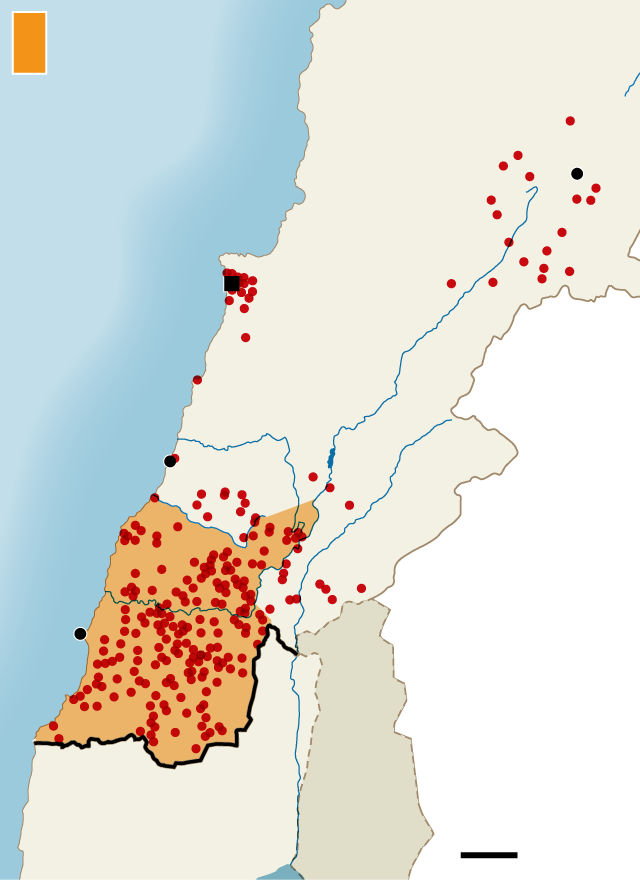
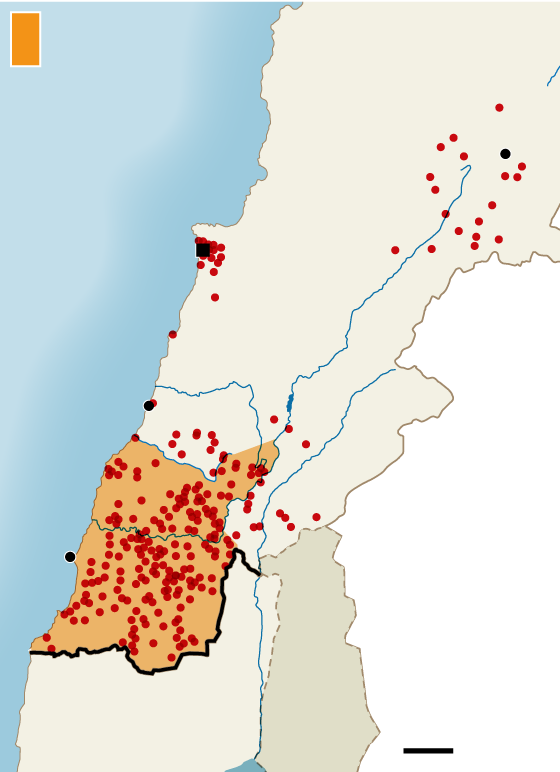
Israel is advancing slowly through the south of the country, but is encountering structured resistance.


-
CAT -
CAST
BeirutIn the hills of southern Lebanon, where the front is once again forging ahead amidst empty villages and bombed-out roads, Hezbollah is not fighting like a retreating force. It is fighting like an organization that has been waiting for this moment for months. This scene contrasts sharply with the image the group projected for over a year. Following the November 27, 2024, agreement negotiated by the Shiite Speaker of Parliament, Nabih Berri, with US mediation, Hezbollah showed signs of restraint. At least formally, it agreed to decouple the Lebanese front from Gaza and tolerated the state's deployment south of the Litani River, in accordance with UN Resolution 1701. For months, it appeared to be withdrawing, cooperating, and even adapting to a new internal balance.
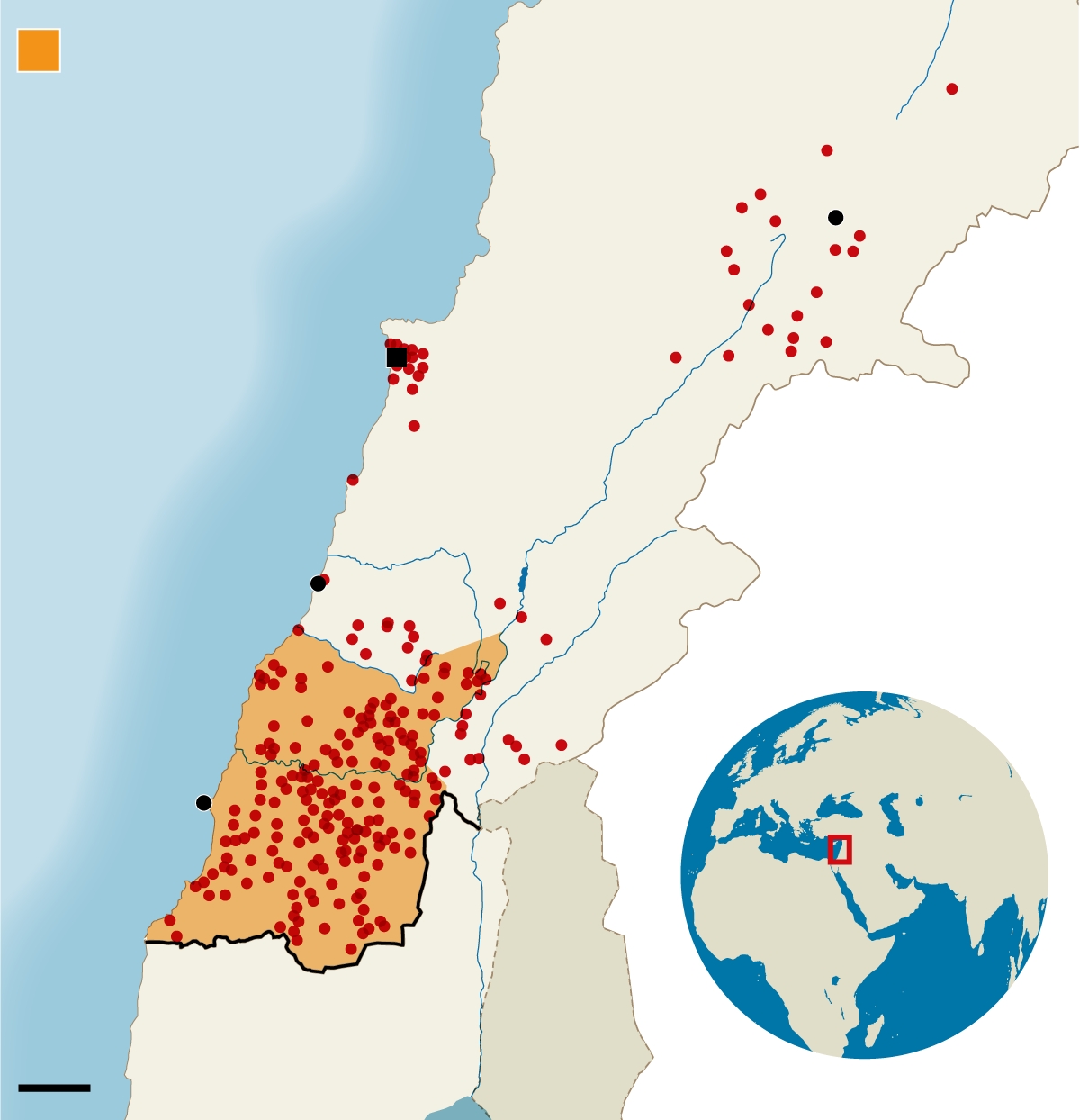
Zona sota ordres d'evacuació israelianes
Baalbek
LÍBAN
Beirut
SÍRIA
riu Awali
Sidó
riu Zahrani
riu Litani
Tir
alts del Golan
ISRAEL
10 km
CISJORDÀNIA
Zona sota ordres d'evacuació israelianes
Rishon LeZion
Baalbek
Jerusalem
20 km
LÍBAN
Beirut
SÍRIA
riu Awali
Sidó
riu Zahrani
riu Litani
Tir
alts del Golan
ISRAEL
10 km
Zona sota ordres d'evacuació israelianes
Baalbek
LÍBAN
Beirut
SÍRIA
riu Awali
Sidó
riu Zahrani
riu Litani
Tir
alts del Golan
ISRAEL
10 km
Following Hassan Nasrallah's death, the movement entered a phase of uncertainty. His successor, Naim Qassem, adopted a more pragmatic, even at times conciliatory, tone, while tensions grew within the organization between those who accepted partial integration into the state apparatus and those who considered any disarmament a red line. During this period, Hezbollah avoided responding to Israeli attacks, even as they increased.But in parallel, according to diplomatic and security sources, it continued to receive funding and weapons from Iran, rebuilding its arsenal and reorganizing its combat units.
"Everything indicated that the party was retreating, but in reality, it was buying time," summarizes Mohamed Obaid, an analyst close to the pro-Iranian axis, who adds: "Hezbollah couldn't afford another war at that moment. It needed to rebuild, to reorganize." Today, on the ground, that preparation is visible. Israel is advancing slowly in the south, but is encountering structured resistance with anti-tank missiles, drones, ambushes, and hand-to-hand combat. Hezbollah has redeployed its elite Radwan forces and resumed guerrilla tactics, operating in small, dispersed units, integrated into the terrain.
"It's not a conventional war; it's a war of attrition," Obaid asserts. The group retains tens of thousands of fighters, although only a portion are frontline operatives, and a significant arsenal of rockets and missiles. Its capabilities have been degraded but not neutralized. Following the 2024 war, Hezbollah has strengthened its communication systems, decentralized its military structure, and opted for coordinated attacks—including with Iran—to overwhelm Israeli defenses. Even Israeli sources acknowledge a degree of astonishment at the speed of its mobilization.
From Containment to Confrontation
The turning point came in recent months. While the Lebanese state, under international pressure, insisted on regaining its arms monopoly, Hezbollah hardened its rhetoric. Qassem openly warned of the consequences of any disarmament attempt. High-ranking members of the movement even spoke of civil war if that line were crossed. Even when the current regional escalation erupted, following the attack on Iran and the death of Supreme Leader Ali Khamenei, many analysts believed that Hezbollah would remain on the sidelines, weak and constrained by internal pressure. They were wrong. Fighters who had been in the background for months returned to their positions in the south and in the Bekaa Valley in the center. In a matter of hours, the group went from restraint to open confrontation. "We are no longer hiding," a party member recently admitted. “The 2024 agreement was not the beginning of a structural de-escalation, but a tactical pause,” asserts Hanin Ghaddar, a Hezbollah specialist. However, according to the analyst, the Shiite militia is trying to project strength, but it enters this war “weak, with less internal legitimacy and more dependence on Iran than ever before.” “Its strategy is not to win, but to survive politically and avoid a scenario in which the Lebanese state or international pressure could force its disarmament,” says Ghaddar. In other words, Hezbollah is not only fighting Israel, it is also managing its position within an exhausted Lebanon, where a growing segment of the population is questioning the cost of “resistance.” Although it remains a deeply entrenched actor in the military, social, and political spheres, its room for maneuver has now been limited. The possibility of a direct confrontation with the Lebanese army is no longer seen as improbable. "Hezbollah doesn't need to defeat Israel on the battlefield; it's enough for them to prevent a clear victory, prolong the conflict, and remain an indispensable player in any future negotiations. Time is on their side," Ghaddar summarizes. "The longer the war lasts, the harder it will be for Israel to sustain it politically," he warns.
The pro-Iranian movement not only receives funding—tens of millions of dollars a month from Tehran, according to Western estimates—but is also part of a broader regional architecture. The current war offers the ayatollahs' regime the opportunity to open multiple fronts and wear down Israel. If Iran holds out, Hezbollah can survive, even emerge politically strengthened. If it is decisively weakened, the Shiite group could lose its main support and be exposed, both to Israel and within Lebanon itself.
In southern Lebanon, meanwhile, the logic is different. Every Israeli advance involves slow fighting, constant exposure, and terrain that favors those who resist more than those who advance. Hezbollah seems to have accepted that equation. It's not seeking a quick victory. It's seeking to endure. To endure long enough to remain relevant, long enough to impose a cost, long enough not to disappear. Because enduring is its way of winning.

