Buying Greenland? How the US has expanded by paying for territories
Trump revives with Denmark the expansionist policy of using checkbook money that Washington has applied over the years

-
CAT -
CAST
BarcelonaThat all major powers seek expansion is a given. Whether commercially or territorially, the giants that dominate the world—and in the past, their empires—often seek to increase their influence across the globe. They do so to safeguard their interests and, at the same time, minimize the influence of other powers that might overshadow them. One of the latest examples is Trump's interest in GreenlandThis is not a new inclination: for example, in 1946, then-US President Harry Truman offered $100 million in Denmark for the island. Nor is it anything new for Washington to offer money in exchange for territory. In fact, US expansion has historically been based on purchases and agreements with European states that had colonized the American continent. On rare occasions, the acquisition of new US territory has been solely through military victory. Below, we review the main territorial acquisitions by the White House, which have ultimately shaped the current US border.
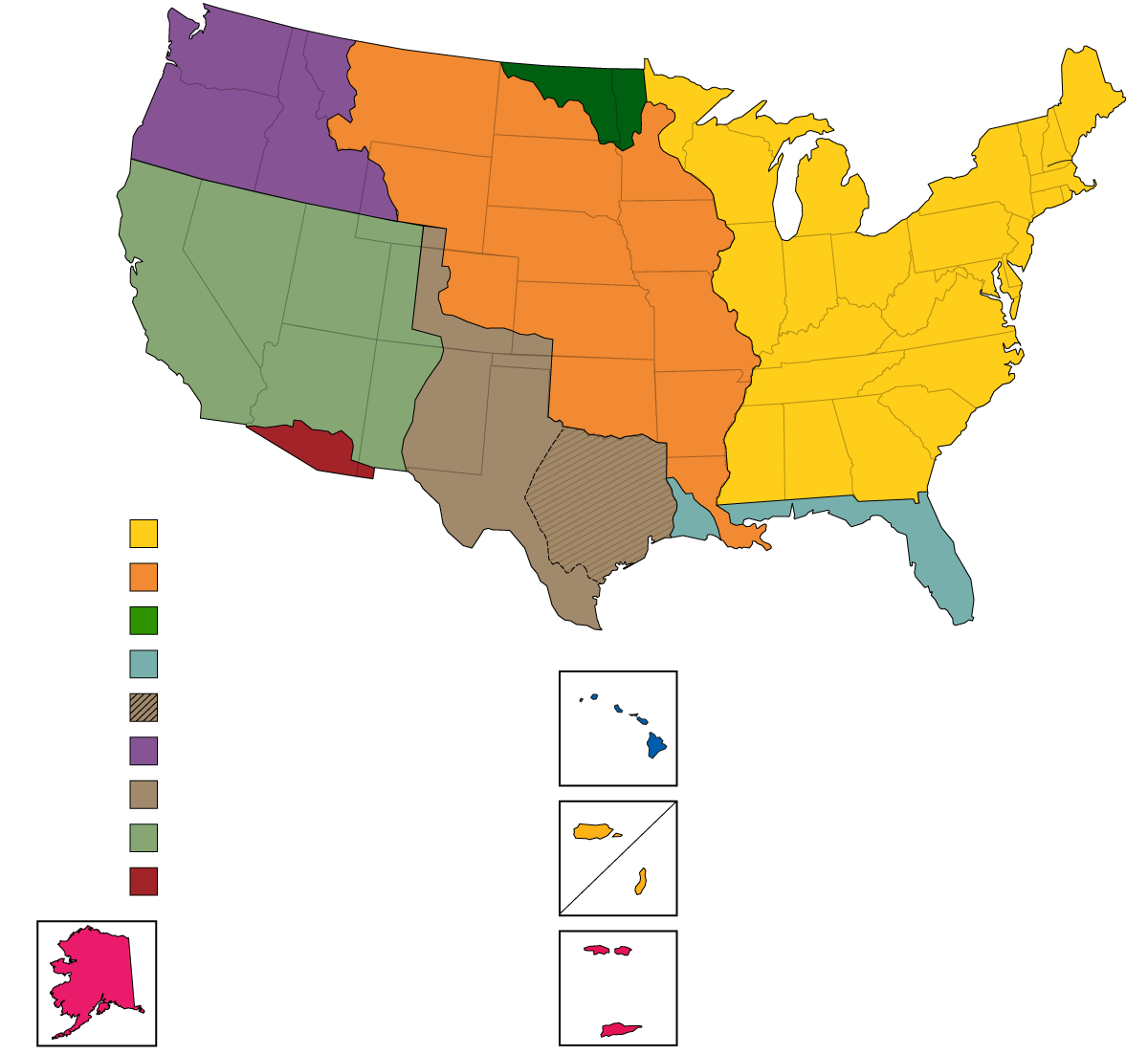
1783
Territori original
1803
Compra de Louisiana
1818
Cessió britànica
1819
Cessió espanyola (Florida)
1898
Annexió de Hawaii
1845
Annexió de Texas
1846
Divisió d'Oregon
1846-48
Guerra EUA-Mèxic
1898
Compra de Puerto Rico i Guam
1848
Cessió mexicana
1853
Compra de Gadsden
1867
Compra d'Alaska
1917
Compra de les
illes Verges daneses
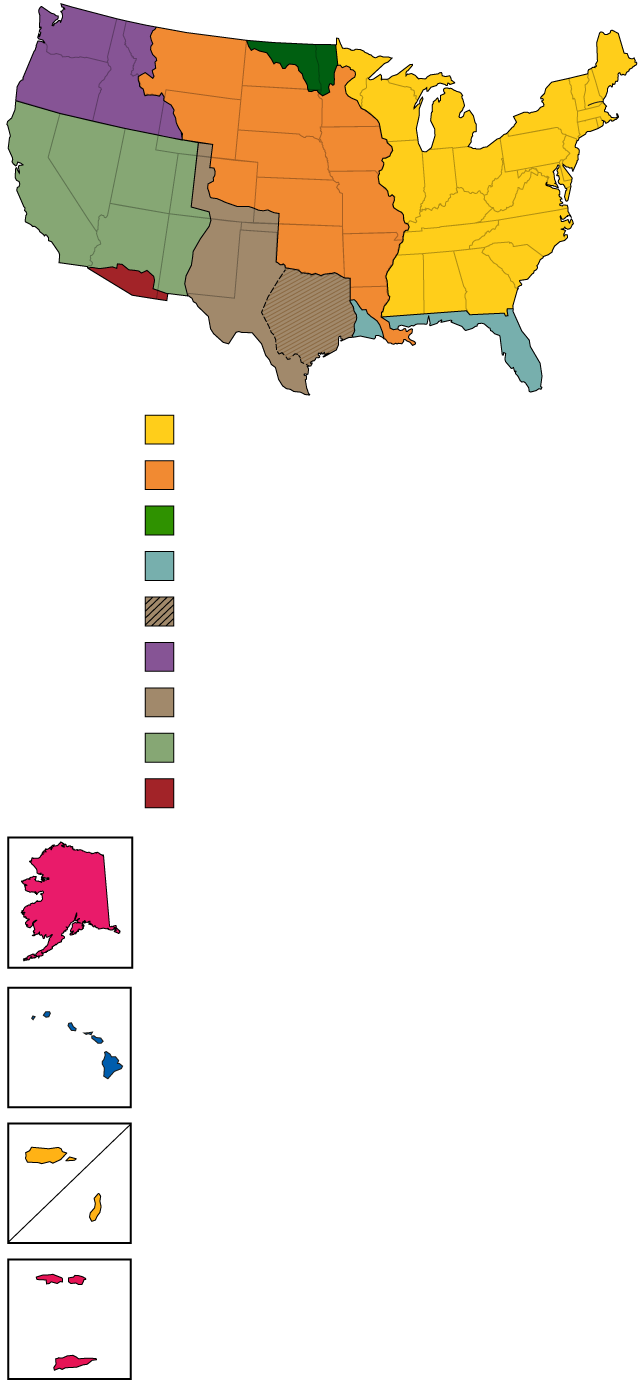
1783
Territori original
1803
Compra de Louisiana
1818
Cessió britànica
1819
Cessió espanyola (Florida)
1845
Annexió de Texas
1846
Divisió d'Oregon
1846-48
Guerra EUA-Mèxic
1848
Cessió mexicana
1853
Compra de Gadsden
1867
Compra d'Alaska
1898
Annexió de Hawaii
1898
Compra de Puerto Rico i Guam
1917
Compra de les
illes Verges daneses
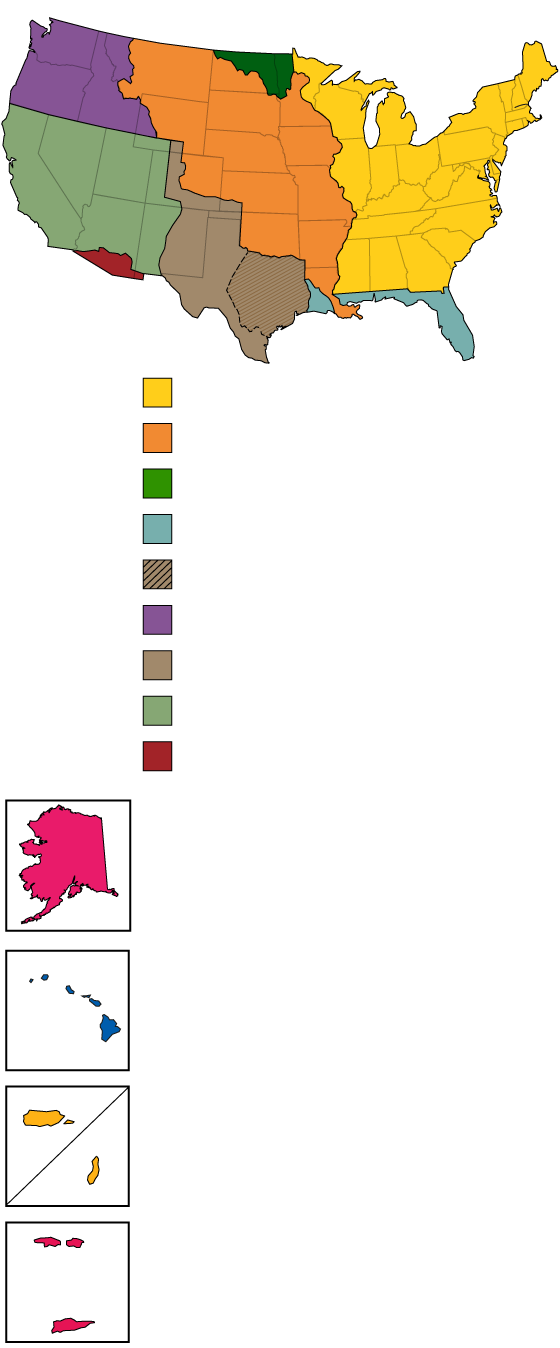
1783
Territori original
1803
Compra de Louisiana
1818
Cessió britànica
1819
Cessió espanyola (Florida)
1845
Annexió de Texas
1846
Divisió d'Oregon
1846-48
Guerra EUA-Mèxic
1848
Cessió mexicana
1853
Compra de Gadsden
1867
Compra d'Alaska
1898
Annexió de Hawaii
1898
Compra de Puerto Rico i Guam
1917
Compra de les
illes Verges daneses
Louisiana (1803)
Buys
The first major US land purchase was in France in 1803. US President Thomas Jefferson wanted to empower the American peasantry. To achieve this, it was necessary to acquire more and more land. Primarily for this reason, the newly inaugurated White House proposed to Napoleon Bonaparte the purchase of Louisiana for $15 million. The French emperor, who needed money to finance his military operations in Europe, accepted the offer, and the US doubled its territory overnight. In this way, Washington incorporated almost 1.3 million square kilometers of land and expanded westward across the American continent. Florida (1819)
Transfer in exchange for debt forgiveness
The next power to cede territory to the U.S. was Spain. In this case, it wasn't a direct purchase: Madrid, embroiled in the wars of independence in Central and South America, ceded the present-day state of Florida to Washington in 1819. In exchange, under the Adams-Onís Treaty, the U.S. agreed to pay $5 million of debts that Spain owed to American citizens.
Texas and the Mexican Cession (1845-1848)
War and subsequent purchase
Texas had gained its independence from Mexico in 1836. The US annexed the territory nine years later, in 1845. Washington's expansionist ambitions, however, clashed with the interests of Mexico, which controlled the western part of what is now the US. Disputes over the extent of US territorial control in the area led to a conflict between Americans and Mexicans: the Mexican-American War, which lasted until the signing of the Treaty of Guadalupe Hidalgo in 1848. In this agreement, Mexico ceded the present-day states of California and New Mexico to the White House in exchange for $15 million and the payment of $3.2 million in Mexican debts. A few years later, in 1853, Washington paid Mexico another $10 million for nearly 77,000 square kilometers in southern Arizona, in what is known as the Gadsden Purchase.
Oregon (1846)
Treaty with the United Kingdom
North of the lands sold by Mexico lay the Oregon Territory, which extended into Alaska. Two years before the Mexican sale, in 1846, the US and UK separated, and Washington took control of the portion corresponding to the present-day states of Washington, Oregon, Idaho, and the portion of present-day Montana and Wyoming that had been excluded from the Louisiana Purchase.
Alaska (1867)
Buys
The US purchased the territory of the American continent closest to Asia from Russia in 1867. With this acquisition, Washington gained 1.7 million km². Despite the vast size of the territory, the purchase price was lower than in previous transactions: Washington paid the Russian Empire $7.2 million. It was the first time Russia had ceded territory, a move driven by Tsar Alexander II, who was trying to prevent the British Empire from acquiring the region. That same year, the United Kingdom agreed with Canada on greater independence from Westminster.
Over time, the sale of Alaska has been considered a strategic error on the part of Russia. Even then, the territory's location between the Arctic and Pacific Oceans gave it significant geopolitical importance. Furthermore, over the years, Alaska has been found to be rich in gold, gas, and oil.
Puerto Rico, Guam, and Hawaii (1898)
War, purchase and annexation
In 1989, the US acquired several islands in the Pacific and the Caribbean following the war with Spain, known as the Spanish-American War. Puerto Rico, Guam, and the Philippines ceased to be part of the Spanish Empire and came under US control—the Philippines had gained independence from the US in 1946. The conflict with Spain, known for its outcome as the Disaster of '98, ended with the Treaty of Paris, which stipulated a payment of $20 million by Washington in Madrid in exchange for the various islands. That same year, President William McKinley, whose expansionist policies Donald Trump has praised, decided to annex the Hawaiian archipelago. The reasons given by the US administration were similar to those now being put forward by the White House—at least rhetorically—for annexing Greenland. McKinley believed that if the archipelago fell into the hands of another power, it would pose a threat to U.S. security. Under this pretext, in August 1898, Congress approved the annexation of Hawaii. And beyond this archipelago, Washington still controls more than a dozen islands in the Pacific today.
The Virgin Islands (1917)
Buys
In the case of Greenland, this is not the first time Denmark has faced a potential US purchase of territory under its control. In its expansionist drive in the Caribbean, the US bought the Danish West Indies from Denmark in 1917, now known as the US Virgin Islands. The transaction, in which Copenhagen received $25 million in gold, included the islands of St. Thomas, St. John, and St. Croix.

