The last three years have exceeded the 1.5°C global warming limit for the first time in history.
2025 was the third warmest year on the planet since records began


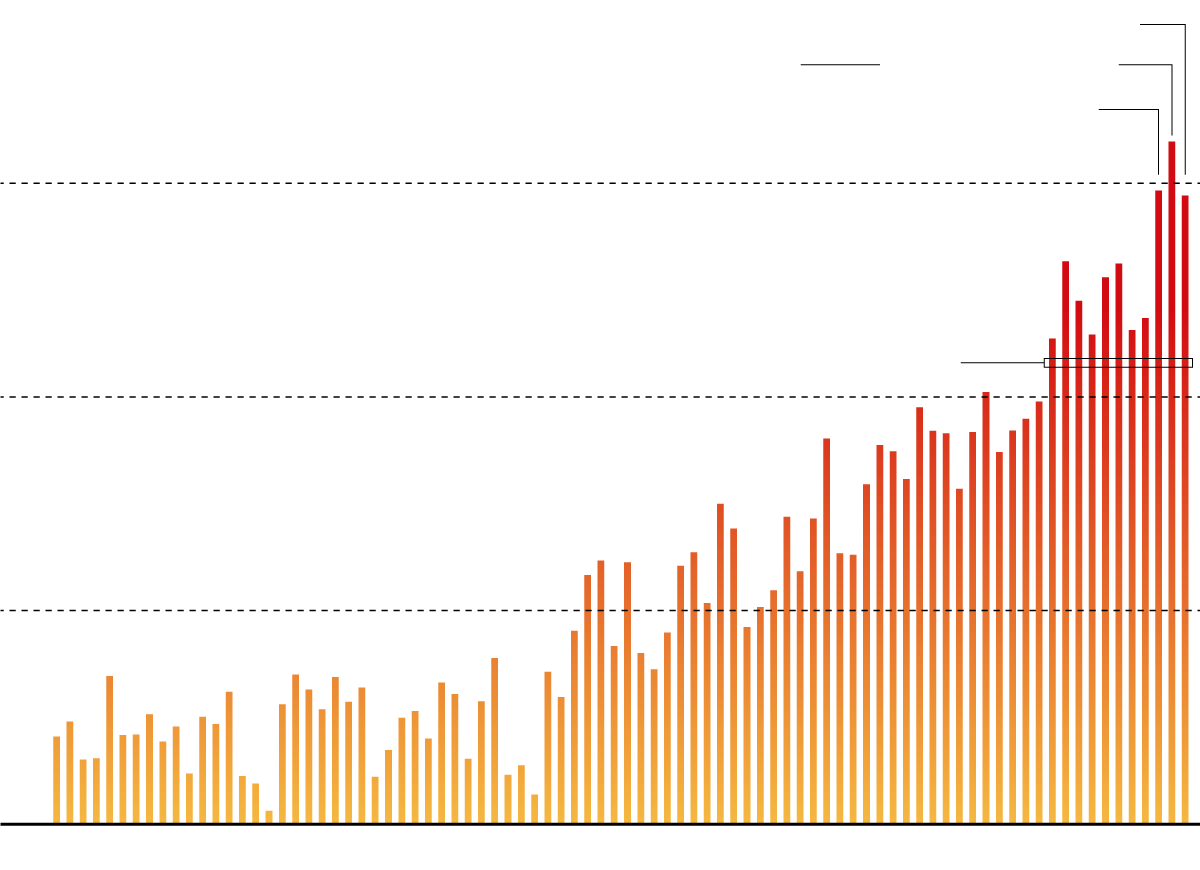
Barcelona2025 was the third warmest year on record globally. This data reinforces the advance of global warming, as the last eleven years have been the warmest in history. But above all, it is noteworthy that the last three years (2023, 2024, and 2025) were the first to exceed the 1.5°C limit above pre-industrial levels (1850-1900). Never before had the combined figure for a three-year period surpassed this limit set in the Paris Agreement. This is the conclusion of the annual climate report published today by the climate change service of the European Copernicus program. Specifically, the average global temperature last year was 14.97°C, 0.59°C above the reference average (1991-2020) and 1.47°C above pre-industrial levels. In fact, 2025 is only 0.01°C below 2023—the second warmest year on record—and 0.13°C below 2024, which currently holds the record for the warmest year. It's worth remembering that 2024 was the first year to exceed 1.5°C above pre-industrial levels, specifically reaching 1.6°C.
+1,47 ºC
2025
El 2024 és el més càlid registrat fins ara i el primer any en superar els 1,5 ºC per sobre dels valors preindustrials
+1,60 ºC
2024
+1,48 ºC
2023
+1,5 ºC
Els 11 últims anys han estat
els més càlids de la història
des que hi ha registres
+1 ºC
+0,5 ºC
0
1940
1950
1960
1970
1980
1990
2000
2010
2020
+1,47 ºC
2025
+1,60 ºC
1
2024
+1,48 ºC
2023
+1,5 ºC
2
+1 ºC
+0,5 ºC
0
1940
1960
1980
2000
2020
El 2024 és el més càlid registrat fins ara i el primer any en superar els 1,5 ºC per sobre dels valors preindustrials
1
Els 11 últims anys han estat els més càlids de la història des que hi ha registres
2
+1,47 ºC
2025
+1,60 ºC
1
2024
+1,48 ºC
2023
+1,5 ºC
2
+1 ºC
+0,5 ºC
0
1940
1960
1980
2000
2020
El 2024 és el més càlid registrat fins ara i el primer any en superar els 1,5 ºC per sobre dels valors preindustrials
1
Els 11 últims anys han estat els més càlids de la història des que hi ha registres
2
The Paris Agreement stipulates that a global average warming exceeding 1.5°C over approximately twenty years is needed to confirm that this critical limit has finally been reached, and so far, we are ahead of schedule. However, as Copernicus concludes in this report, the current rate of warming suggests that this 1.5°C limit on long-term global warming could be reached by the end of this decade, more than a decade earlier than anticipated when the agreement was signed in 2015. ~BK_S_ long-term limit established by the Paris Agreement, and we are destined to exceed it; “The choice we now face is how to best manage the inevitable excess and its consequences for societies and natural systems,” explains Carlo Buontempo, director of Copernicus’ climate change service, in the report. “The fact that the last eleven years have been the warmest ever recorded provides further evidence of the unequivocal trend towards a warmer climate,” he adds. According to Copernicus, the fact that the last three years have been so warm is mainly due to the continued emission of greenhouse gases from human activity, the decline in nature’s capacity to absorb carbon dioxide, and the exceptional rise in sea surface temperature. A year of extremes worldwide
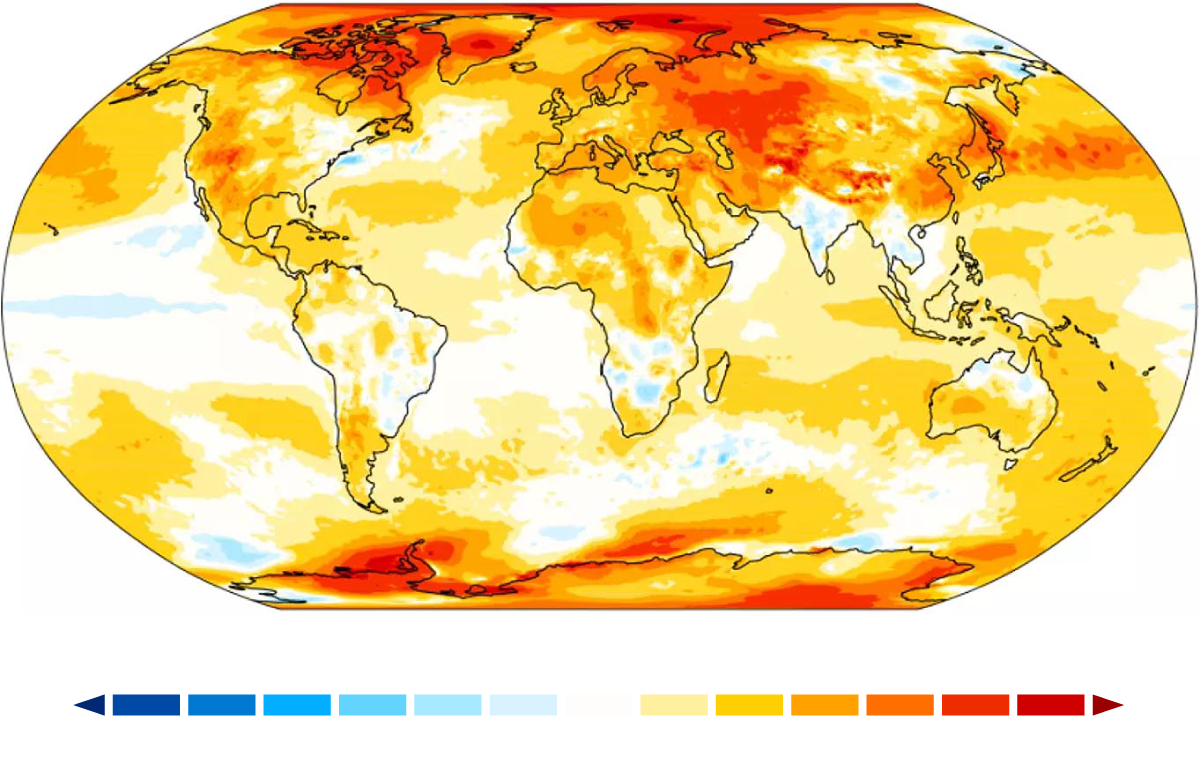
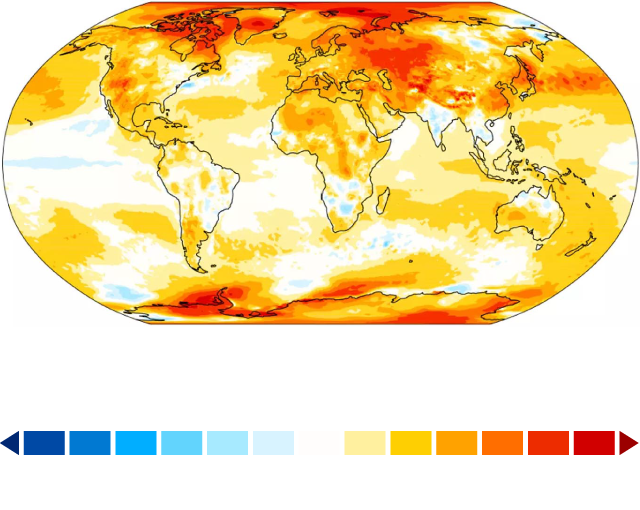
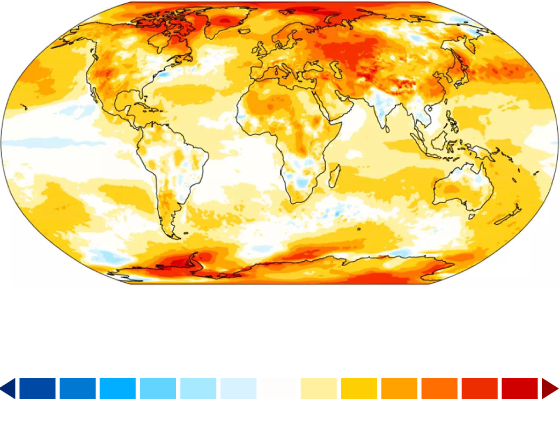
Average annual temperatures reached their highest ever recorded in Antarctica last year and the second highest in the Arctic. Record annual temperatures were also observed in many other regions, particularly in the Northwest and Southwest Pacific, the Northeast Atlantic, eastern and northwestern Europe, and Central Asia. Conversely, tropical areas recorded lower temperatures than in 2023 and 2024, years influenced by El Niño, a phenomenon that typically causes global warming.
Més fred que la mitjana
Més calent que la mitjana
-4 ºC
-3
-2
-1,5
-1
-0,5
-0,2
+0,2
+0,5
+1
+1,5
+2
+3
+4 ºC
Més fred
Més calent
-3
-1,5
-0,5
+0,2
+1
+2
+4
-4
-2
-1
-0,2
+0,5
+1,5
+3
Més fred
Més calent
-3
-1,5
-0,5
+0,2
+1
+2
+4
-4
-2
-1
-0,2
+0,5
+1,5
+3
On the other hand, during 2025, half of the world's land surface experienced more days than usual with intense heat stress, meaning temperatures of 32°C or higher. Copernicus notes that the World Health Organization (WHO) recognizes heat stress as the leading cause of climate-related deaths globally. Last year saw further heat records broken worldwide, with the global sea surface temperature reaching 20.73°C, the third warmest on record after 2024 and 2023. The report also refers to the severe and historic wildfires that ravaged parts of Europe and North America. Emissions from these fires worsened air quality and had potentially harmful effects on human health, both locally and internationally.
"The atmospheric data for 2025 paints a clear picture: human activity remains the dominant factor in the exceptional temperatures we are observing. The atmosphere is sending us a message, and we must listen," explains Laurence Rouil, director of the monitoring service, in the report.
As for Europe, 2025 was also the third warmest year on record. Finally, the combined sea ice cover of both poles fell to its lowest value since at least the start of satellite observations in the late 1970s.
