Ten years of Brexit: the promise that turned out to be a nightmare

-
CAT -
CAST
BarcelonaTen years ago, the United Kingdom was immersed in the campaign for the Brexit referendum. Supporters of leaving the European Union promised that, by regaining control of borders and trade policy, the UK would soon become an economic power of such magnitude that no one would remember the time it belonged to the Union. There would be fewer immigrants, less taxes would be paid, and, thanks to new trade agreements, there would be so much prosperity that everyone would live better. With this promise, on June 23, 2016, the Brexiters won at the polls by a narrow margin of votes: 51.9% versus 48.1%.
Since then, however, none of the promises or supposed advantages of Brexit have been fulfilled. Most studies indicate that decoupling from the EU has harmed the economy, and some analysts place the loss of GDP it would have meant at 8%. This is because the fall in exports to the EU that Brexit has caused has not been compensated by sales to other regions of the planet. Regarding immigration, what has occurred is a notable decrease in workers from the EU, but a considerable increase in immigration from other parts of the world. Entire economic sectors are having difficulty finding labor, and there is a shortage of hauliers, plumbers, and butchers, while discontent and xenophobia are growing on the streets.
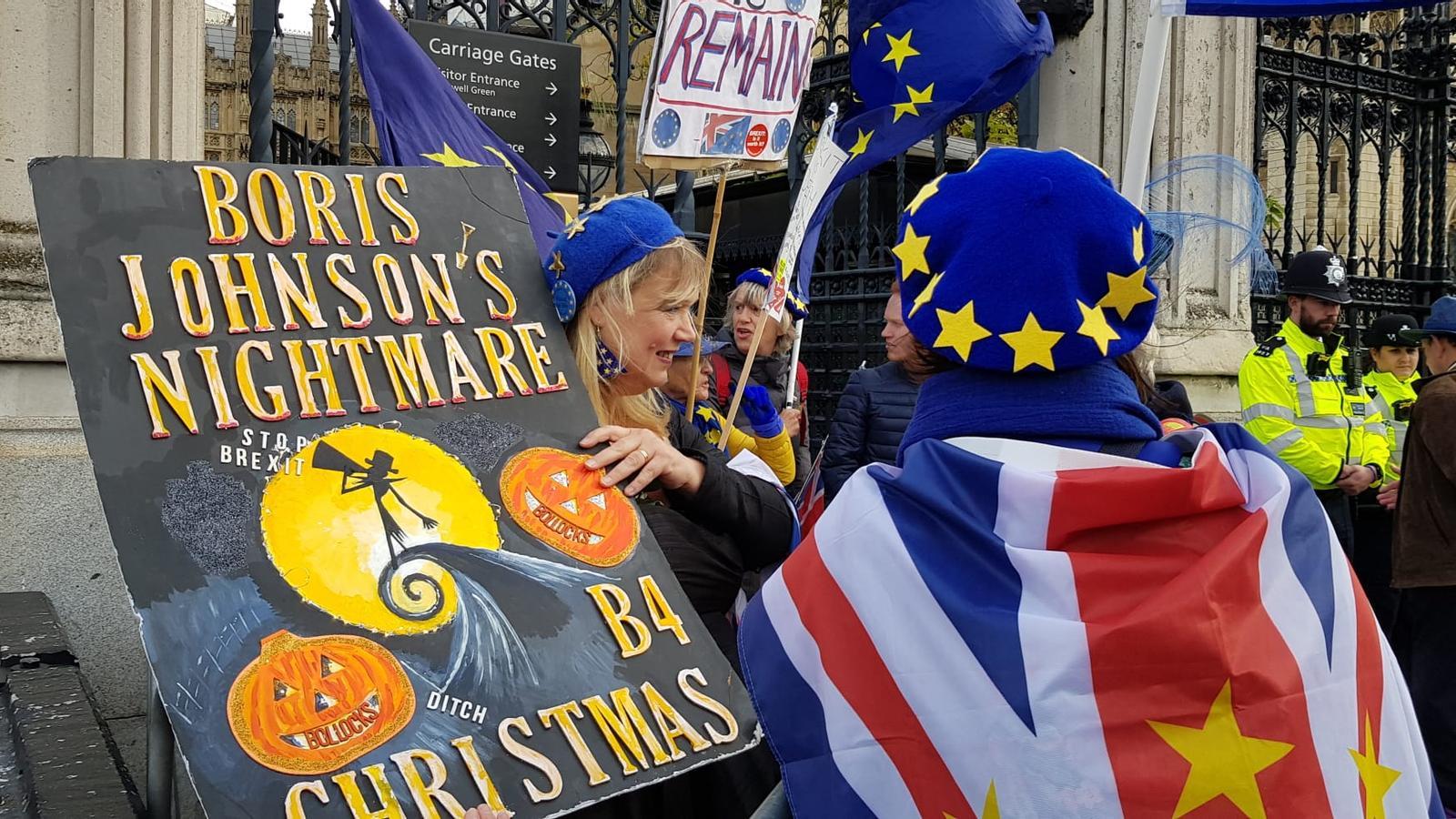
The Brexit dream has turned into a real nightmare. Society remains just as divided, even though polls show increasingly sustained support for returning to the EU (60% are in favour), and political instability has become the norm (there have been five Prime Ministers since Cameron). Nevertheless, governments like Keir Starmer's Labour government have opted to take timid steps towards Brussels, but without openly admitting that it was all a huge mistake caused by a major miscalculation by David Cameron. Amending Brexit remains a taboo in the United Kingdom.
In any case, the failure of Brexit is a relief for the European Union, which ten years ago went through its worst moment. The idea that dismantling the EU, this bureaucratic and inefficient monster that the Brexitersportrayed, was the best thing to do has lost strength and appeal over time. In fact, now, the Eurosceptic far-right aspires not so much to dismantle the EU but to shape it to its liking. Health crises like the covid-19 pandemic demonstrated the importance of having enough muscle for joint purchases. And the trade crisis with the US has also shown that, when negotiating with a single voice and under the same umbrella, one has more strength.
The conclusion is that, 10 years later, the European Union has been strengthened as a global player while the United Kingdom has lost prominence, and its citizens are also not in better conditions. The European Union is an imperfect, cumbersome, sometimes obtuse artefact with many contradictions, but in a world dominated by authoritarianisms, it is the project in which it is still possible to make democracy, respect for human rights, and prosperity compatible.
