When the son eats the mother: Cupra overtakes Seat
The young brand already surpasses the historical one that motorized Spain more than 70 years ago

-
CAT -
CAST
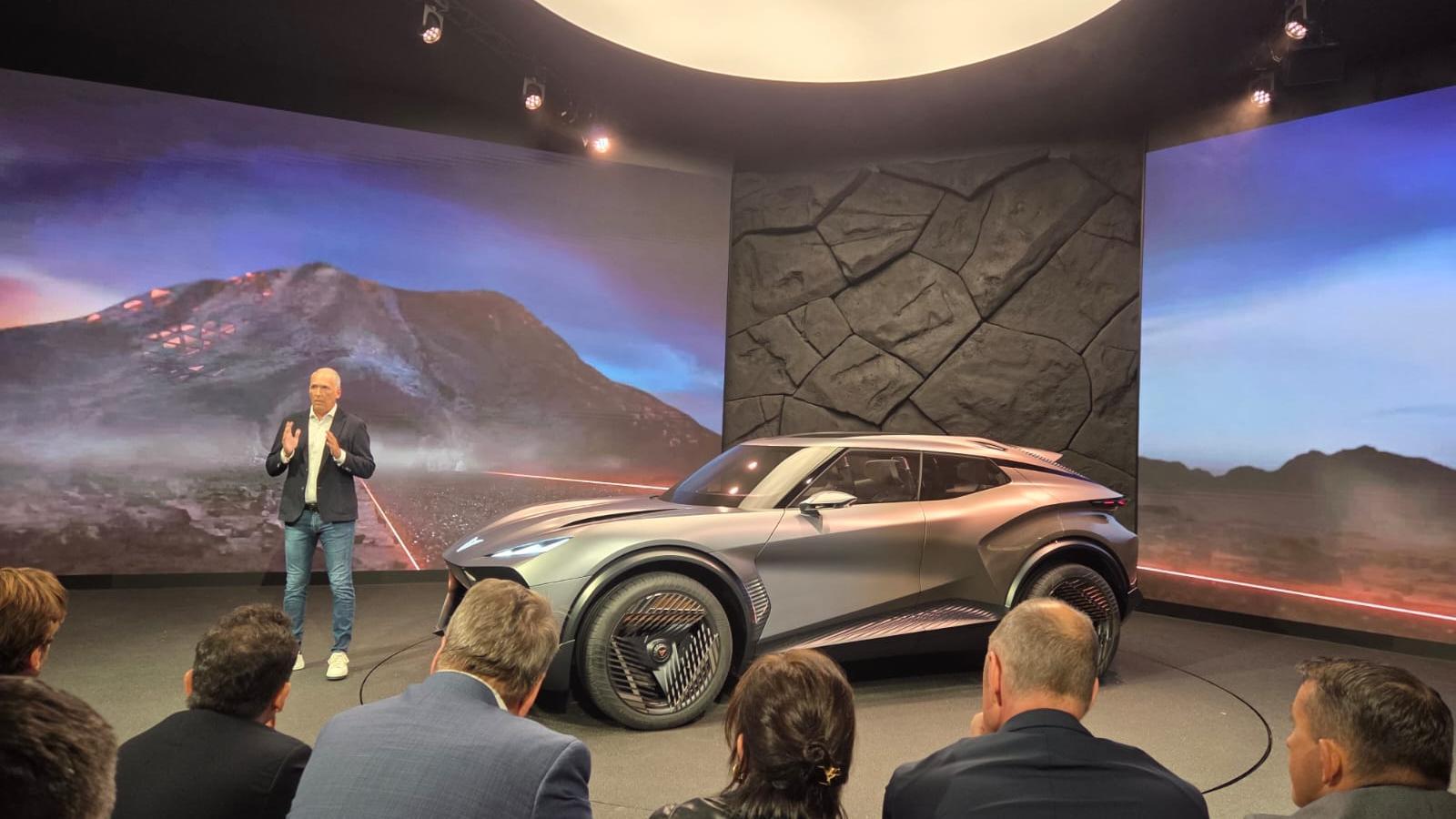
BarcelonaIn 2018, with Luca de Meo as president and Wayne Griffiths as vice president of marketing and sales, Seat took the step: it launched a new brand, Cupra. Only two years later, Griffiths, already president of Seat, said that the new brand would close that year, 2020, with a turnover of 1 billion euros, practically 10% of the entire group. We journalists received it with skepticism, but that is how it was. From that moment on, Cupra has not stopped growing. And last year, in 2025, the new brand already sold more cars than the historic –it is over 70 years old– Seat.
Behind this unstoppable growth of Cupra there are several factors. The brand knew how to get rid of the criticisms of the finishes that Seat was dragging, possibly unfairly. It also knew how to capture a younger, more emotional buyer, who wanted a more modern and dynamic aesthetic. But it is not just the demand side that weighs, but also the supply. Cupra has done more marketing, has promoted its models more and has seen how its range has been growing, while Seat's is dwindling.
A business decision that has a clear goal: Cupra models leave a larger margin than those of Seat. And in Wolfsburg, where the Volkswagen Group is headquartered, more than the large figures of turnover and global profit, what is looked at most is the margin per car sold. And in this aspect, Cupra outperforms Seat. Another aspect to take into account is the markets. And Cupra has opened new frontiers for the Martorell company, such as Australia or Mexico, which were practically off-limits for the Seat brand. Furthermore, Cupra's primary market is Germany, where the buyer highly appreciates the brand, and where the Volkswagen Group is headquartered.
The company defends itself by saying that Seat still has a future. And it will have it as long as the combustion engine lasts and the market continues to appreciate mass-market models like the Ibiza, the León, or the Arona. But on the road to electrification, Cupra has always been ahead of Seat. In fact, while there are three 100% electric Cupra models –the Born, the Tavascan, and the Raval–, and the rest of the range –Formentor, Terramar, and León– feature hybrid technologies, in Seat's case, only the León has hybrid motorization, and the launch of mild-hybrid models of the Ibiza and the Arona is being prepared.

Production capacity
A separate issue, however, is the industrial one. Seat managed to save the El Prat plant, where gearboxes were manufactured – a component that disappears in electric and plug-in hybrid cars – by converting it towards components necessary for electrification. And at the Martorell plant, two 100% electric models are already being manufactured, the Cupra Raval and the Volkswagen ID Polo, after significant investments in electrification, especially in the battery assembly plant for these models.
But to ensure the future of the Baix Llobregat plant, if the Seat brand (and its models) eventually disappears, a second electric platform from the group will be needed. Otherwise, there would be excess capacity at a plant. And one of the arguments that Volkswagen's management has put forward for the major cuts it has announced is that it has an overcapacity of production of 500,000 vehicles per year.
