Spain has kerosene reserves for 90 days
The Spanish government is open to sharing reserves with Europe, but without jeopardizing its own supply

-
CAT -
CAST
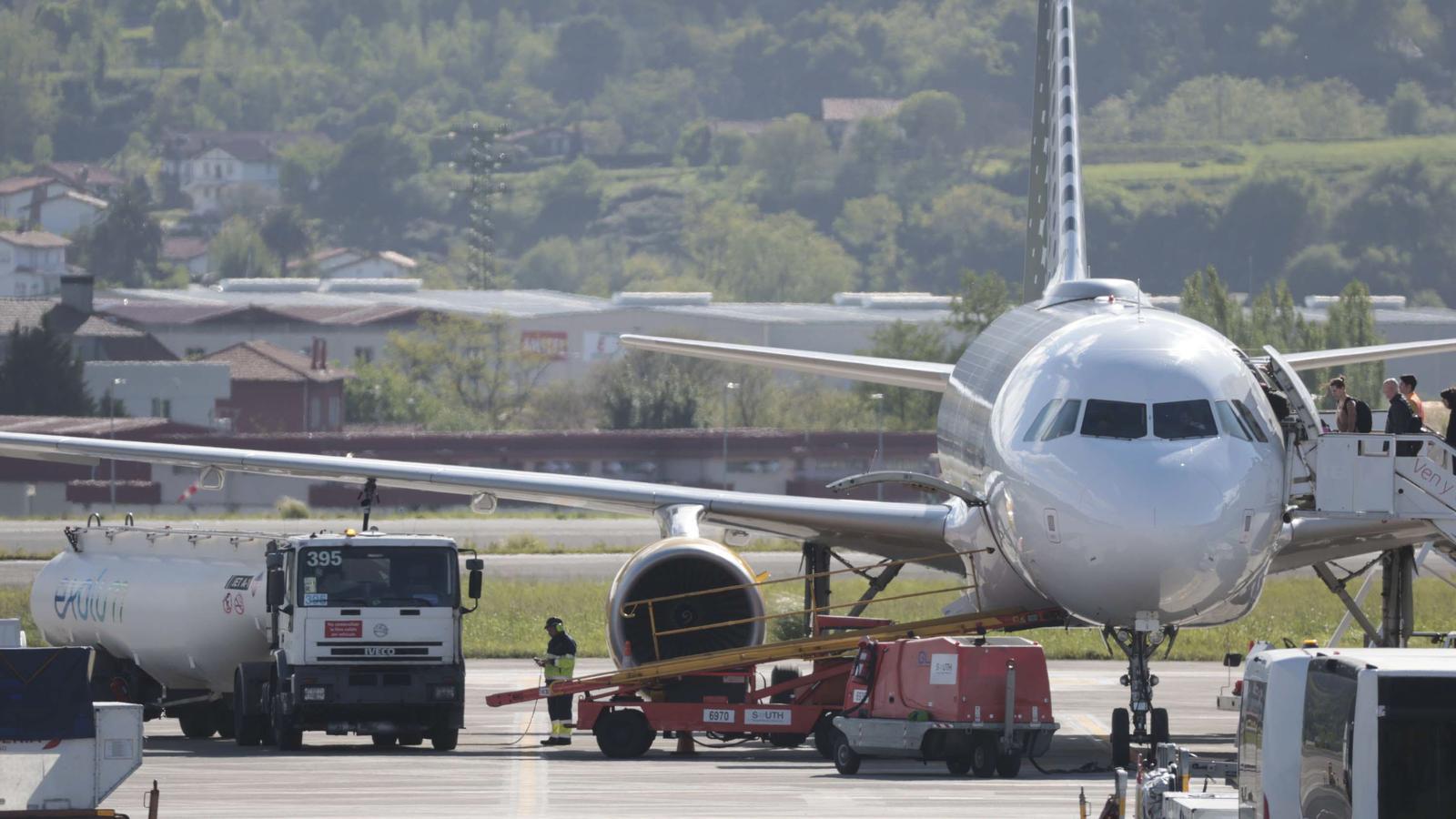
MadridSpain has kerosene reserves for 90 days if we consider operational reserves (the stocks kept by oil companies and airports to ensure the daily supply of this essential fossil fuel for aviation) and strategic reserves (the inventory held by the State). This means that if kerosene stopped arriving or being produced in the State from tomorrow, there would be reserves of this fuel until the beginning of August.
maximizing production in Spanish refineriesmaximizing production in Spanish refineries and prioritizing imports from third countries.
"I want to send a message of maximum reassurance [to the population]," Aagesen said after the meeting. The minister acknowledged that if the situation in most European countries regarding the guarantee of kerosene – but also of other oil derivatives, such as gasoline – is critical, the situation in Spain is different: "What is happening in Europe does not correspond to what is happening in Spain. The supply is guaranteed.
Again, Aagesen pointed out that the State has an advantage in the production of this fuel for aircraft: it is one of the three EU member states with the greatest oil refining capacity. 80% of the kerosene consumed in Spain is produced in the eight refineries spread throughout Spanish territory, including the Repsol refinery in Tarragona, and only 20% of the fuel is imported.

Regarding other fossil fuels, from raw materials (oil and gas) to other crude oil derivatives, the State's exposure to the blockade of the Strait of Hormuz is minimal. In fact, in the case of natural gas, it was not foreseen that fuel would arrive from the Persian Gulf countries in 2026. And oil imports only account for around 5%. That is why the ministry sends this message of "calm".
Libya and Mexico, oil suppliers
However, the Hormuz crisis is indeed noticeable in the arrival of oil to Spain, however little it may be. According to the March report from the Corporation of Strategic Reserves of Petroleum Products (Cores), published this Tuesday, crude oil imports from the Middle East fell by 54.6% in the month when the United States and Israel attacked Iran, compared to what had happened in March of the previous year. In particular, the decrease in oil from Iraq stands out. In any case, they represent 4.8% of the total oil imported, while a year ago they accounted for 9.2%.
During this month, the State imported 27 types of oil from 14 different countries. Libya was the main supplier, followed by Mexico.
Nerves in Europe
In Europe, in general, they do not see the situation as Spain does, and in fact nervousness is indeed looming over other member states. "The world is facing what could be the most serious energy crisis in history," stated the European Commissioner for Energy, Dan Jorgensen, just this Tuesday, and anticipated that Brussels is already "preparing".
For days there have been meetings to see how countries can prepare to face a possible shortage of kerosene in some states, especially with summer approaching, when tourism boosts air travel – next week there is a new meeting of Energy Ministers–. "Spain will be supportive, but we also want to have different solutions on the table to analyze them in detail," said the minister. The Spanish government, therefore, is open to sharing its own reserves to help other countries, but will prioritize ensuring that Spain's supply security is not put at risk.
What solutions are being discussed in Brussels? In addition to sharing a level of reserves or exploring joint purchases, the ministry explains that other options may come into play, such as increasing the level of tankering allowed for aircraft, which is set at 10%. This, however, is a highly polluting practice: it means that airlines can load more fossil fuel (kerosene) at an origin airport if the price at the destination airport is more expensive or scarce. It represents cost savings for companies, but it leads to more kerosene consumption and more pollution.
Overall, the State intends for Brussels to take a long-term view and not just focus on short-term solutions. That is why it continues to push for a boost to the ecological transition through fiscal and economic support. For example, the Spanish government wants green investments not to count towards debt, meaning, towards compliance with fiscal rules, and for there to be more fiscal margin. But it also wants to extend European funds to invest in the electricity grid.
