SpaceX stars in the biggest stock market debut in history: it's worth more than 2 trillion dollars
Elon Musk becomes the world's first billionaire thanks to the rise in the stock of the rocket company
-
CAT -
CAST
WashingtonThe biggest stock market IPO in history makes Elon Musk the world's first trillionaire. SpaceX, the tech mogul's space rocket and artificial intelligence company, has debuted on the stock market today, breaking all records by having already placed more than 555 million shares at an IPO price of $135 per share, which by the end of the session had soared 19%, to $161. With its IPO, the company aimed to raise more than $75 billion, and after its first session on the market, it has a valuation of over $2 trillion (2 trillion, in English).
With this valuation, SpaceX takes the crown for the biggest stock market IPO in history from Saudi Aramco, the Saudi oil company that debuted on the markets in 2019 with a valuation of $1.7 trillion. And Musk demonstrates that, beyond his relationship with the US president and his controversial role in cutting public spending, the business world continues to trust him and his abilities to continue making money through his companies.
The tech mogul, who also manages the electric car manufacturer Tesla and a handful of other startups, has revolutionized the space race since he founded SpaceX, a rocket company that can be partially reused, and with Starlink, a satellite internet service. This year, SpaceX acquired xAI, Musk's artificial intelligence company, the one behind Grok, the digital assistant of X, the social network formerly known as Twitter.
The now billionaire becomes the world's first trillionaire thanks to the rise in SpaceX shares, which far exceed the IPO price of $135 per share. Musk, today, owns almost 50% of the company, meaning his shares will be worth around a trillion dollars. Some analysts have estimated the price will be around $190, and others that it will be closer to $230, which would represent 40% and 70% more than the initial price.

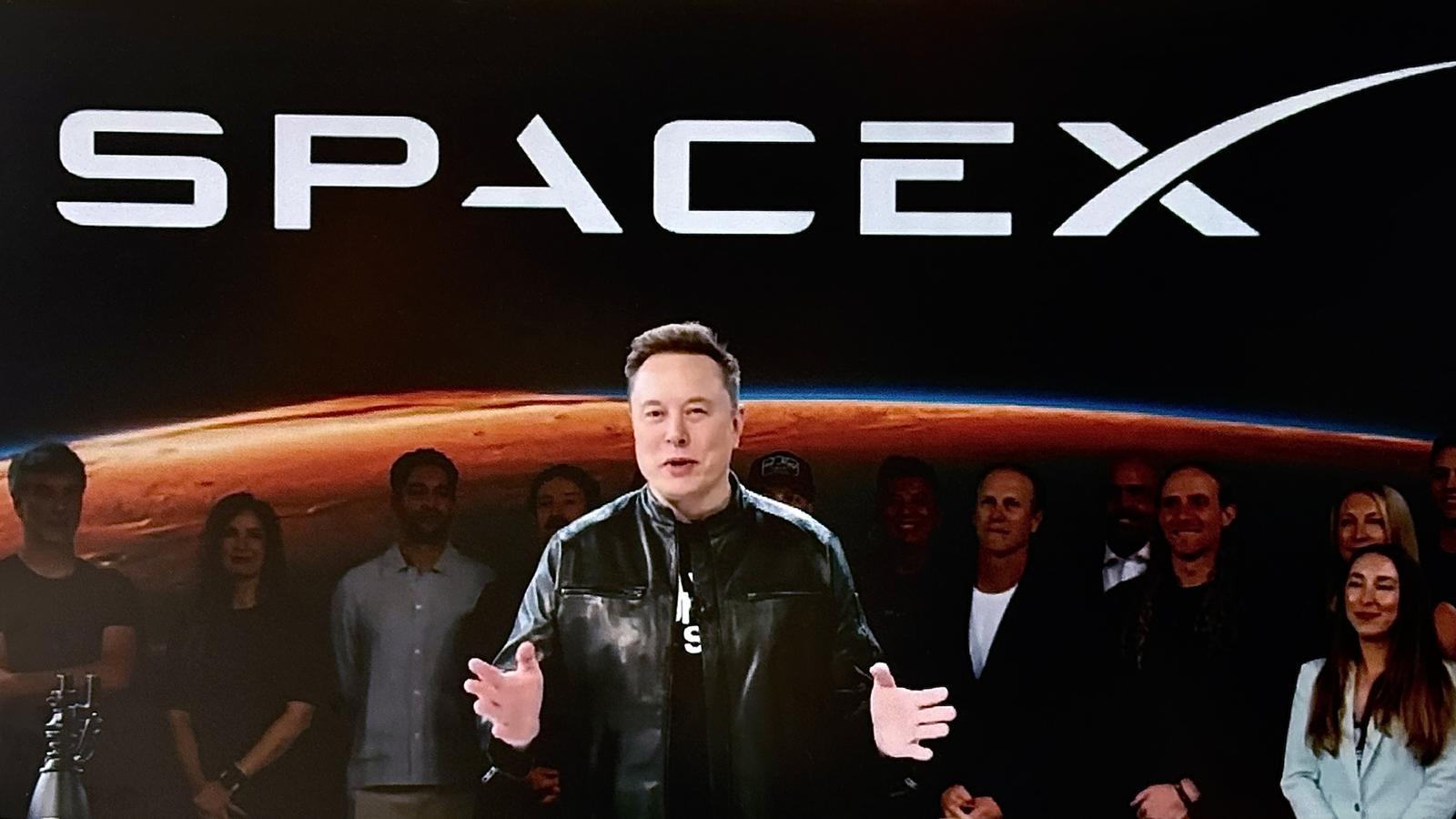
“It’s hard to believe that the small company I started in a warehouse in El Segundo will now go public,” Musk told his employees from Starbase, the company’s headquarters, in Texas. “I think there are always problems on Earth, things we’d like to be better, that we’d like to solve here, but there also have to be things that excite you about the future, that make you happy to get up in the morning because you can’t wait to see what happens. This is the future that SpaceX wants to bring you,” said the magnate as the company’s executives rang the bell at the Nasdaq index building, in Times Square, New York.
More departures
SpaceX's IPO will be followed by others in artificial intelligence such as OpenAI or Anthropic, which this month presented their projects to the US Securities and Exchange Commission. Both are valued at close to one trillion dollars. It is expected that, together, the three IPOs will place shares worth hundreds of billions of dollars, demonstrating the interest in artificial intelligence, despite warnings from regulators and analysts about the risk of a bubble.

In addition to Musk, thousands of SpaceX employees and former employees could see their wealth grow to become millionaires with the company's IPO. People who started working at SpaceX at a very young age have been gaining company shares over the years. Thus, for example, a graduate who joined SpaceX as an intern in 2011 could currently own 100,000 company shares, which were already worth $13.5 million at the premiere.
However, it is complicated to calculate how much money Musk and his employees will make with this move. This has to do with the fact that on the day of the IPO, only a few shares (5% of its total capital) begin to trade and there are many investors willing to buy, which causes the price to rise. But as more shares become available for purchase, the price will likely fall, and it will take time to stabilize until it reaches its "real" value.
What does seem easier to predict is that SpaceX will continue to play an important role in the space race. In March, the company completed the most successful test to date of its giant Starship rocket, the largest ever built, which survived launching and re-entering Earth's atmosphere, before exploding. Now, NASA is planning to use Starship as a lander to take its astronauts to the surface of the Moon.
