Rheinmetall and Deutsche Telekom ally to shield Germany against drones
The defense giant and telecommunications operator present a digital and physical shield to protect critical infrastructures
-
CAT -
CAST
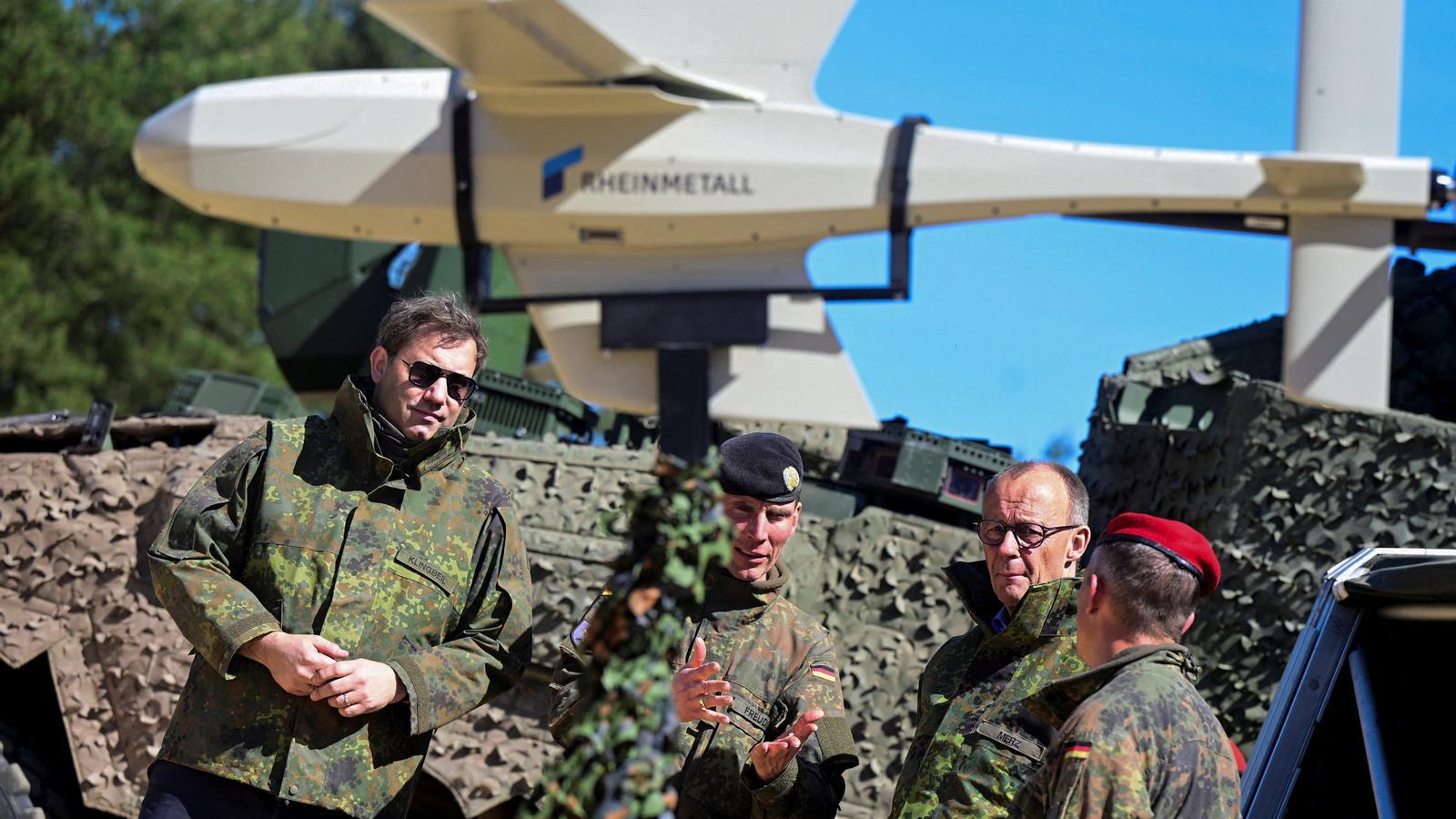
BarcelonaAs we have witnessed in recent months, the current geopolitical scenario has forced a paradigm shift in civil and military security in Europe. In this context, Rheinmetall, Germany's leading defense contractor, and Deutsche Telekom, the telecommunications giant, announced this Monday a strategic alliance to develop a defense shield against drones and acts of sabotage.
The main objective of this collaboration is the protection of so-called critical infrastructures (KRITIS). This concept encompasses all systems, organizations, and facilities that are essential for the basic functioning of society. This includes everything from power plants to transport and communication nodes, as well as security in major German cities.
A response to hybrid warfare
Companies argue that threats are no longer purely physical but have become a complex technological challenge. As they explained in a statement, the project adopts a "multi-threat" protection approach divided into three coordinated areas of action.
Firstly, the system relies on cutting-edge cybersecurity. In an interconnected world, digital attacks can be as devastating as bombings, and this part of the project seeks to prevent interference or digital hijacking of control systems. Secondly, it aims to strengthen perimeter security, a method that ensures physical protection and restricted access to facilities. Finally, the alliance will deploy technology based on sensors and actuators and create an intelligent network capable of detecting, identifying, and neutralizing hostile drones in real-time.
Armin Papperger, CEO of Rheinmetall, emphasized that the nature of the current threat is "eminently digital," a view shared by Tim Höttges, his counterpart at Deutsche Telekom. Höttges highlighted that their expertise in cloud computing and massive data analysis will elevate defense capabilities to a "new technological level," with the aim not only of protecting state assets but also of strengthening Germany's technological sovereignty and "allaying citizens' concerns" in a climate of international uncertainty.
