Isidro Fainé, the stability and power of La Caixa
The Foundation renews the president and part of the board of trustees for four years, blocks interference, and paves the way to fulfill the strategic plan and social work until 2030.


-
CAT -
CAST
BarcelonaLa Caixa, Spain's largest economic, financial, business, and philanthropic network, has secured its future, at least until 2030. In a move to preserve the independence of the Foundation, the group's parent organization, Isidre Fainé (Manresa, 1942) will remain as chairman for a significant portion of the current administration, whose term ends this week. This continuity and stability, characteristic of the organization, ensures coverage of the strategic plan, which anticipates investing €4 billion by 2030. La Caixa is one of Spain's largest financial institutions, with a market capitalization exceeding €37 billion. Last November, after dismissing CEO Ángel Simón in March, Fainé promoted changes to Criteria's roadmap through 2030 to better align it with the Foundation's interests and objectives. This powerful organization, with its financial, business, and social influence, has been headed by Fainé since 2014, when it ceased to be a savings bank, of which he was also president since 2007. Some sources claim that a key principle is that "Criteria works for the Foundation, not for it."
Pressupost de la
Participa amb un
Fundació La Caixa
100% a Criteria
800
En milions d’euros
1. Participació fundacional
CaixaBank (31%)
710
2. Cartera d’inversions rellevants
655
20%
Cultura
i ciència
Naturgy (25,99%)
Telefónica (9,99%)
ACS (9,36%)
20%
Recerca
i beques
Veolia (5%)
Inbursa (9,10%)
BEA (19,25%
Colonial (17,32%)
Interparking (18%)
Aigües de Barcelona (15%)
60%
Programes
socials
3. Cartera d’inversions alternatives
InmoCaixa
Caixa Capital Risc
Fons de capital privat
Objectiu
2030
4. Cartera de liquiditat
2026
2025
Pressupost de la
Fundació La Caixa
800
En milions d’euros
710
655
20%
Cultura
i ciència
20%
Recerca
i beques
60%
Programes
socials
Objectiu
2030
2026
2025
Participa amb un 100% a Criteria
1. Participació fundacional
CaixaBank (31%)
2. Cartera d’inversions rellevants
Naturgy (25,99%)
Telefónica (9,99%)
ACS (9,36%)
Veolia (5%)
Inbursa (9,10%)
BEA (19,25%
Colonial (17,32%)
Interparking (18%)
Aigües de Barcelona (15%)
3. Cartera d’inversions alternatives
InmoCaixa
Caixa Capital Risc
Fons de capital privat
4. Cartera de liquiditat
Pressupost de la
Fundació La Caixa
800
En milions d’euros
710
655
20%
Cultura
i ciència
20%
Recerca
i beques
60%
Programes
socials
Objectiu
2030
2026
2025
Participa amb un 100% a Criteria
1. Participació fundacional
CaixaBank (31%)
2. Cartera d’inversions rellevants
Naturgy (25,99%)
Telefónica (9,99%)
ACS (9,36%)
Veolia (5%)
Inbursa (9,10%)
BEA (19,25%
Colonial (17,32%)
Interparking (18%)
Aigües de Barcelona (15%)
3. Cartera d’inversions alternatives
InmoCaixa
Caixa Capital Risc
Fons de capital privat
4. Cartera de liquiditat
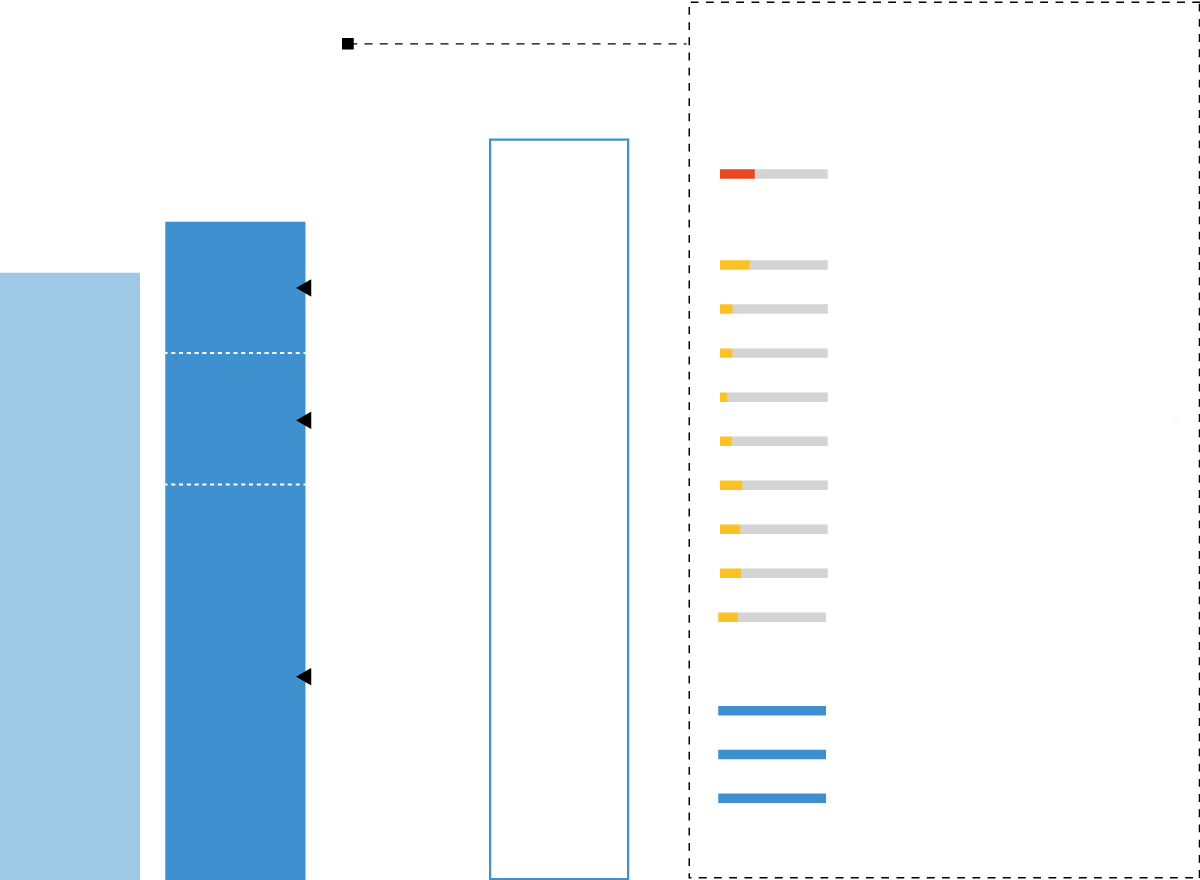
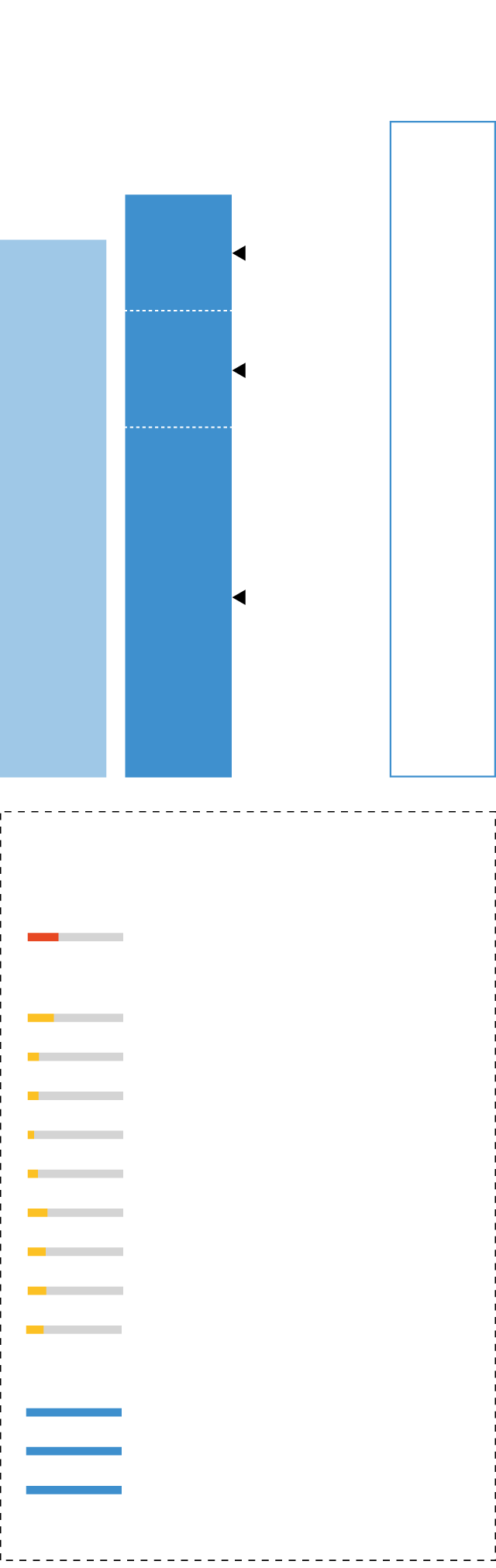
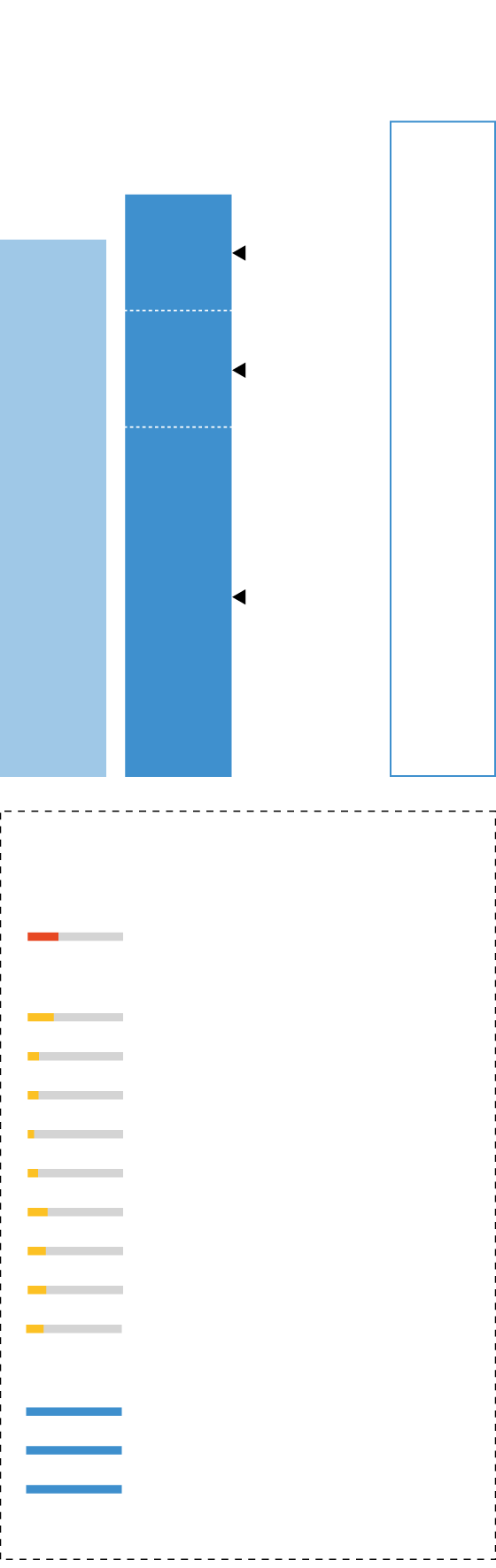
Through the shares of this company, wholly owned by the Foundation, dividends are generated that fund one of the most significant social welfare programs in Europe. The 2026 budget, approved this week along with the board renewals, reaches €710 million, an 8.4% increase, and aims to reach €800 million by 2030. This is one of the obsessions of this self-made banker, deeply religious, affable, and highly capable. Fainé also champions social welfare as president of the World Banking and Savings Institute (WBSI) and advocates for it as a global model.

The president of La Caixa has been a key figure in the Spanish business world for almost two decades—first through the savings bank and later through its Foundation—particularly in strategic sectors such as banking, energy, and telecommunications. Under his strategy, La Caixa's investment arm holds a 31% stake in CaixaBank, Spain's largest bank, which has the State as a shareholder following the acquisition of Bankia. This stake is considered untouchable (it cannot fall below 30%, according to the entity's regulations). La Caixa also holds decision-making power in strategic companies such as Telefónica (9.99%), Naturgy (25.99%), ACS (9.36%), Colonial (17.32%), the French company Veolia (5%), and Aigües de Barcelona (15%).

Given his influence in the economic world, there were expectations surrounding his replacement at the head of the Foundation, which decided to return its headquarters to Barcelona, along with that of Criteria, from Palma, where it had been located since 2017 due to the Catalan independence movement. The four-year term of the president and part of the board of trustees was set to end in 2026, and there were signs of attempts at a takeover, some of which linked the Spanish government, as well as expectations from certain business circles. Following his strategy of stability and continuity, Fainé has opted to safeguard governance, guarantee the strategic plan, and block any potential interference by approving the statutory renewals of the board of trustees much sooner than many anticipated. Sources consulted highlight the group's "independence and depoliticization" as defining characteristics.
The statutes of La Caixa, which do not limit the age of its members, stipulate that the board of trustees must include at least one representative from one of La Caixa's founding entities (the Catalan Agricultural Institute of San Isidro, the Barcelona Economic Society of Friends of the Country, the Barcelona Athenaeum, the Barcelona Chamber of Commerce, and Foment del Treball). In this case, the vacancy, which is filled on a rotating basis, is for two years. The remaining members, including the president and vice president, serve four-year terms. The board must also include at least one representative from collective entities within the Foundation's sphere of activity (such as the Red Cross or Caritas), prestigious professionals in fields related to the entity's social objectives, and others with financial knowledge and experience.
Along with Fainé, the vice president, the publisher of The VanguardJavier Godó – one year older than the president – has been a trustee since 2014 – the year the Foundation was established – and vice president since February of last year. Also renewing their terms are José María Álvarez-Pallete (former president of Telefónica), a trustee since 2022; Isabel Estapé (notary), a trustee since 2018; Francesc Homs (former Minister of Economy and president of Ineo Corporate), since 2014; Pablo Isla (former president of Inditex and president of Nestlé), since 2022; María Isabel Gabarró (notary), a trustee since 2022; and Luis Carreras, a trustee since 2018, and the lawyer Eugeni Gay, since 2014, representing the Red Cross and Cáritas, respectively.
In addition, Baldiri Ros, president of the Catalan Agricultural Institute of San Isidro (one of the founding entities of La Caixa), joins the board, replacing Xavier Brossa, who was originally nominated by the Barcelona Economic Society of Friends of the Country. This governing body is completed by Maite Barrera Xaubet, founder of Bluecap, a trustee since last year; Marc Murtra (president of Telefónica), a trustee since 2021; Asunción Ortega, a trustee since 2016; Francisco Reynés (president of Naturgy and vice president of Criteria), a trustee since last year; and Artu Santos Silva (BPI), since 2017. An honorary presidency is also reserved for the previous president, Josep Vilarasau, 94, who recruited Fainé for the institution when it was a savings bank.
Fainé, passionate about banking – he is the author of Passion for bankingAlongside Robert Tornabell (Deusto, 2005), his social work and business management—he is president of the CEDE executives' foundation—he has never considered retirement. During his brief tenure as president of the former Gas Natural (now Naturgy), from 2016 to 2018, when he was over 70, a journalist asked him about the possibility of retiring, and he replied: "I challenge you to a race down Barcelona's Diagonal Avenue." He is a leader who surrounds himself with capable professionals with a great capacity for foresight and is dedicated to aligning financial profitability and social commitment, according to the sources consulted.
The unique nature of this economic, financial, and business empire caught the attention of Financial TimesA journalist from this newspaper had spent weeks gathering information in the Foundation's offices and consulting with businesspeople and figures in the economic sphere in Catalonia and Madrid. Finally, he published an extensive report on Fainé and the Foundation last Monday, the very same day the renewals at the organization were decided. The article pointed to the "concern" generated by the president's age and his power.
The movement at Telefónica
In any case, before the renewal for another four years, things were already moving. Criteria's CEO, Àngel Simón, was dismissed at the end of April.Simón, who had been hired in January 2024, was not viewed favorably by Fainé due to his close ties to the Moncloa Palace and Salvador Illa's government. The replacement of José María Álvarez-Pallete, a close ally of Fainé, as head of Telefónica, was the catalyst for Simón's dismissal, following the alliance with the Spanish government to increase the Saudi government's stake in the operator to counter the Saudi STC's entry. "It was more the way it was done than the act itself," explained sources. Before his departure, La Caixa had appointed Josep Maria Coronas, secretary of the Foundation and of Criteria and one of the president's trusted advisors, as CEO. This was intended to counterbalance Simón's power. In fact, the CEO position disappeared at Criteria with Simón's departure and was replaced by that of general manager, a role filled by José María Méndez, former director of the savings banks' association (CECA), chaired by Fainé. Another close associate, Francisco Reynés, the president of Naturgy, who joined the Foundation as a trustee a few weeks before Simón's resignation, became Criteria's first vice president. This move sparked a flurry of speculation, but insiders consider it pointless to speculate about potential replacements in a group focused on the entity's long-term viability. In this context, the vice president, notary Juan José López Burniol, who had been a member of the board of trustees since 2014—as had Fainé—and one of his trusted advisors, left abruptly in December 2024. Another of Fainé's most trusted associates is Gonzalo Gortázar, a key figure in the group. He is a discreet and capable senior executive in whom Fainé has placed his full trust after more than a decade at the helm of the bank that swallowed the former Bankia in a deal orchestrated by Fainé himself and Nadia Calviño, then the Spanish government's economic vice president. Fainé also takes into account the opinions of others with whom he has worked or conducted business, such as Juan José Brugera, president of Colonial, a company in which Criteria is once again the main shareholder, and Florentino Pérez, president of ACS and Real Madrid. Pérez is not part of the group, but the Foundation president maintains a close friendship with him and a past connection through Abertis. The degree of this relationship is demonstrated by the fact that Fainé is vice president of the construction company, as he has been at Telefónica for more than 30 years.
