Brussels points to low wages as a problem in the tourism sector
The European Commission recognizes the "growing pressure" of some destinations and wants to diversify visitors

-
CAT -
CAST
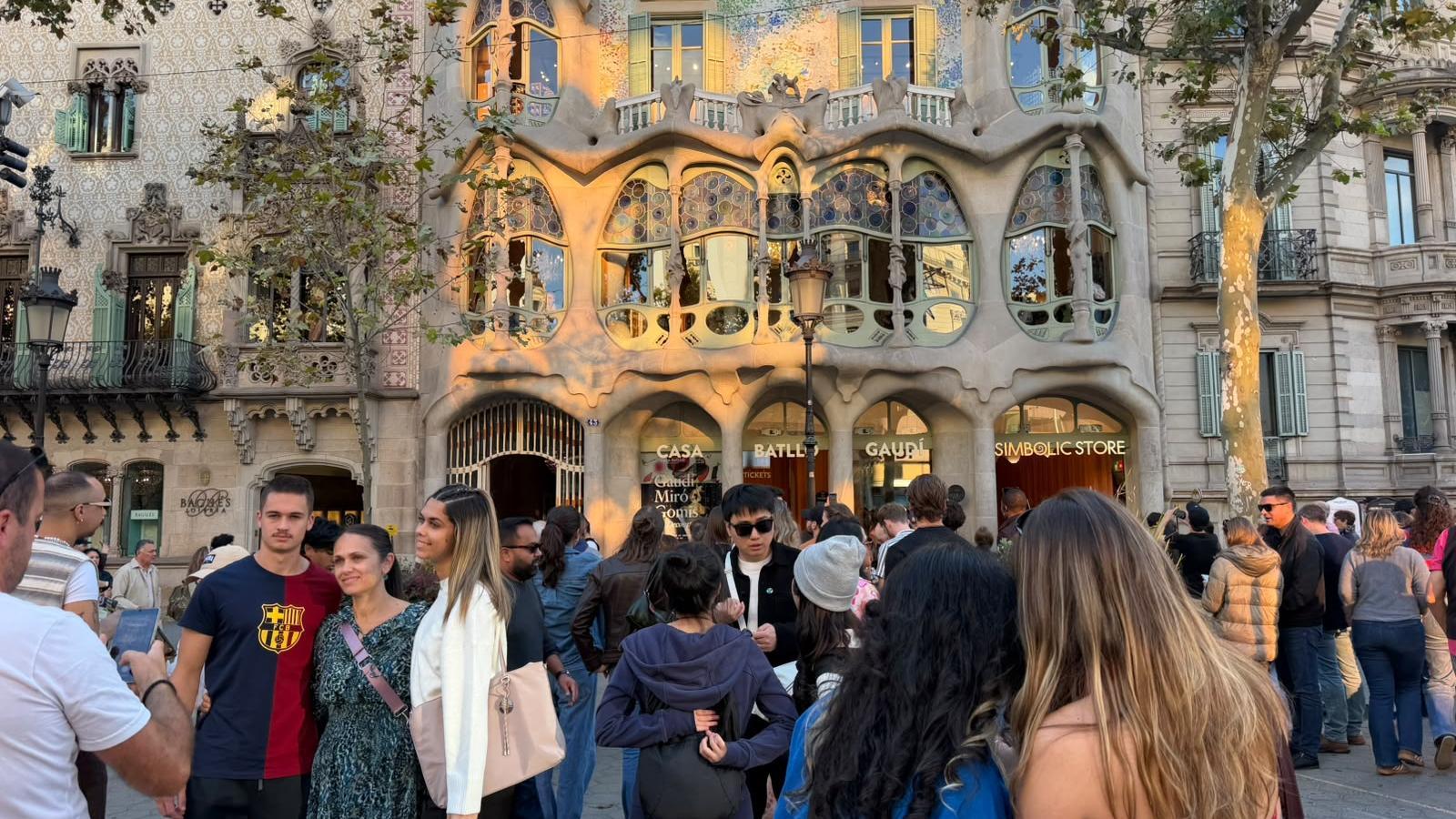
BrusselsThe way of approaching tourism is also starting to shift in Brussels. If until now the incipient European guidelines revolved around the competitiveness and resilience of the sector, the community executive now speaks of "growing pressure" on certain destinations that have difficulties managing the influx, especially in summer, and points to low wages as a widespread problem.
The data provided by the EU depicts a tourism sector in expansion, but one that is highly concentrated. Europe receives around 40% of the world's international arrivals and 76% of Europeans are planning a trip in the next six months. But travel is poorly distributed: 13% of European regions account for 50% of overnight stays. Among these destinations is Catalonia, which in 2023 was the third region with the most nights in tourist establishments, according to data from Eurostat, the statistical agency of the European Commission.
Often, faced with this scenario –admitted executive vice-president Raffaele Fitto–, the local population has been left abandoned: "Too often we have let local communities face these opportunities and these challenges on their own," he acknowledged. With this diagnosis in hand, the European Commission presented this Wednesday the new strategy for sustainable tourism that aims to focus on "quality" rather than "quantity" of tourism on the continent and place the living conditions of residents at the center. "We must go beyond chasing visitor numbers and focus on long-term value by protecting the quality of life of residents," stated commissioner Apostolos Tzitzikostas.
As detailed by Fitto, the objective "is not simply to attract more tourists to the same destinations," but to support lesser-known destinations and promote tourism all year round. In other words, the EU aims to spread tourism to places with potential that currently receive few visitors.
Neither powers nor budget
The strategy, however, arrives with little specificity and even less budget. In fact, the 18 billion that the Commission estimates for the sector until 2027 come from existing programs, mainly from the recovery fund. Among the proposals is a European Tourism Academy to train personnel, an observatory to analyze trends, a crisis coordination network, and an alliance between administrations and the sector.
To manage the influx, the community executive is preparing a “toolbox for balanced tourism” and a series of recommendations that will be ready for next summer. “Our approach is not to introduce visitor caps or restrictions at popular destinations,” clarified Tzitzikostas, who recalled that the final decision rests “with the destination or the member state,” since the EU has no competence in the field of tourism.
Brussels has also not clarified whether it will address tourist apartments within the strategy, which it already endorsed limiting with the housing law. In this sense, Tzitzikostas acknowledged that these rentals “provide benefits,” but that, when they are highly concentrated, “they can reduce housing availability for residents”.
