Stefan Zweig, reader
The publisher Little Fly publishes the essay 'Three Masters. Balzac, Dickens, Dostoevsky'

-
CAT -
CAST
- Stefan ZweigLittle MoscowTranslated by Kàtia Pago Cabanes224 pages / €18
Two are the unavoidable virtues a literary critic must possess. One is versatility of tastes and interests, because nothing is more mediocre, limiting, and impoverishing than intellectual and aesthetic sectarianism. The second virtue is the ability to approach literature without mummifying it, that is, understanding literature not only as an intellectual exercise and a deployment of rhetorical resources but also as an expression, an exploration, and an expansion of the world, society, life, and the human being, which requires, to be interpreted and explained with all its riches and complexities, a combination of technical knowledge and existential insight, analytical coolness and passionate, persuasive engagement.
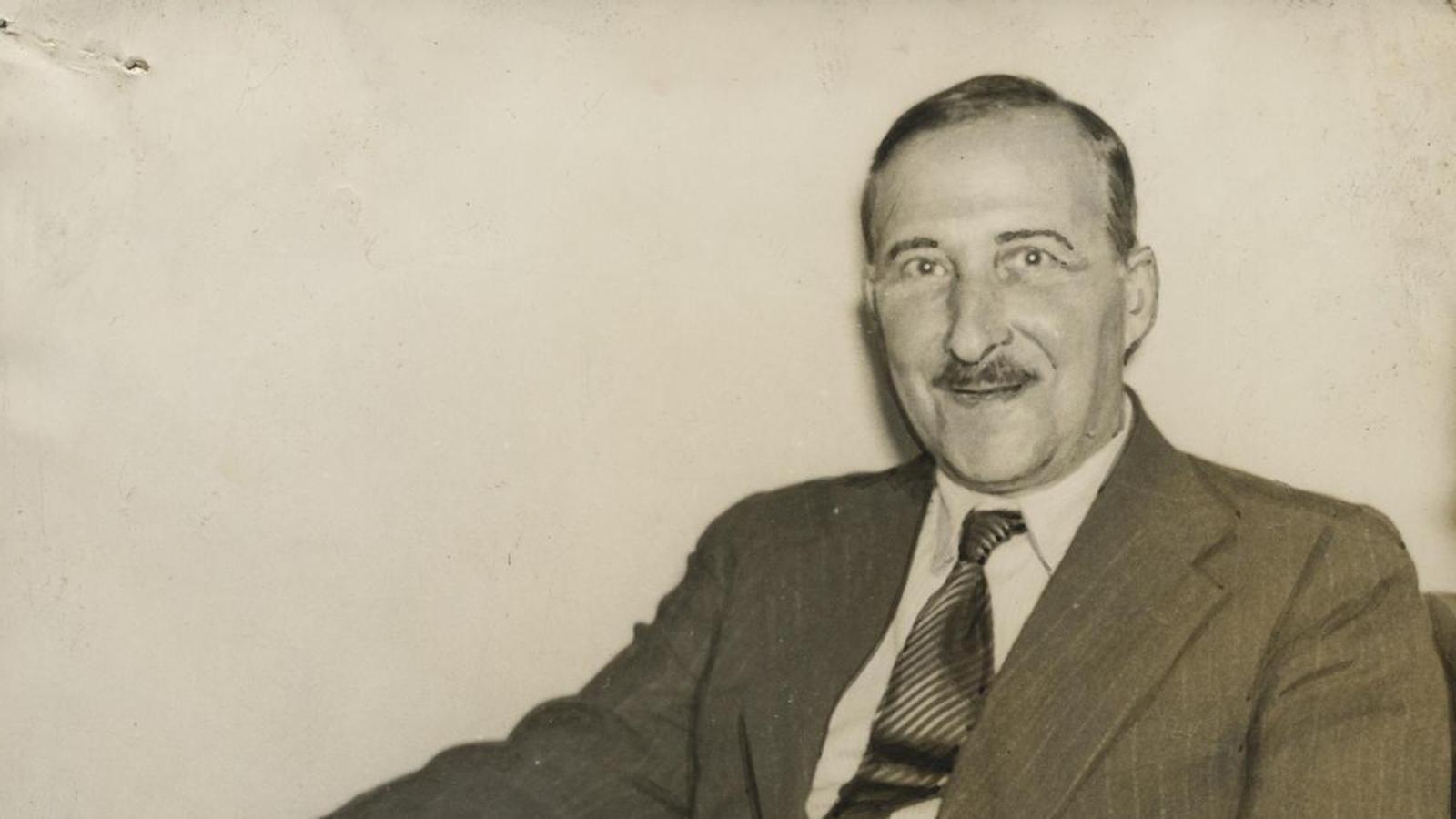
The prolific and multifaceted Stefan Zweig (Vienna, Austro-Hungarian Empire, 188—Petrópolis, Brazil, 1942) possessed both virtues, as is clear from reading Three Masters. Balzac, Dickens, Dostoevsky, dedicated to his three favorite novelists of the 19th century, originally published in 1920 and now released by Peu de Mosca in a Catalan translation by Kàtia Pago Cabanes.
While none of the three texts can be considered properly or strictly literary criticism – they possess the personal and free creativity of essayism, the celebratory emphasis with barely any nuances of unleashed enthusiasm – all three texts do have everything that can be asked of literary criticism. Zweig, with the muscular, dynamic, and plastic prose that characterizes him, does everything that literary criticism, or literature that has literature as its theme, should systematically do.
And what does Zweig do? He takes the work and literary personality of Honoré de Balzac, Charles Dickens, and Fyodor Dostoevsky and comments on them exhaustively (in terms of human substance, form, theme, spiritual and moral atmosphere, intention, meaning), analyzes them, interprets them, and contextualizes them (unraveling what they say and how they say it, and inserting it within a cultural and literary tradition and a sociopolitical, spiritual, and historical framework), points out their quality and greatness, and finally, binds it all together with solid arguments and a style as precise as it is expressive (without vagueness, argotic tricks, or empty flourishes of colored smoke) and with a rich, personal, and stimulating deployment of ideas and viewpoints.
It is possible that, if you are like me, each reader will consider that the best essay in the book is the one dedicated to their favorite novelist. I mean that the reader raised in fascination by Balzac's totalizing lucidity will vibrate especially with the chapter on Balzac, that the reader who has laughed heartily and shed abundant tears with Dickensian humor and dramas will especially appreciate the chapter on Dickens, and that the reader who has felt singularly transported by the demonic ecstasies and psychological and moral abysses of Dostoevsky will highlight the chapter on Dostoevsky. All three chapters, in any case, function very well as analytical portraits of three unique and unrepeatable "forgers of epic worlds".
The chapter on Dickens may be the least enthusiastic, but Zweig is brilliant when he explains that the symbiosis of the author of Great Expectations with the spirit and tastes of Victorian England's public was his main greatness and at the same time his limitation. The chapter on Dostoevsky is the most extensive and perhaps also the most repetitive and neglected, but it is a spectacle to read how Zweig analyzes as a whole the convulsed and fragmented universe of the author of The Brothers Karamazov, mysticism and desolation, the passage through Siberia, gambling addiction, epilepsy, exalted Russian patriotism, monstrous and most human psychologism. Nothing, however, compares to the chapter on Balzac and, in particular, to the passages in which Zweig explains that the creator of The Human Comedy was both a product of Napoleonic France and at the same time the literary equivalent of Napoleon. It is here that the substantial, strong, and precious intensity of Stefan Zweig's style and intelligence shines with the greatest power.
