Life of a young man 'thirsty for the absolute'
Proa presents a new edition of 'Camins de França', one of the most ambitious and successful autobiographical novels by Joan Puig i Ferreter

-
CAT -
CAST
- Joan Puig i FerreterEdicions ProaForeword by Enric Casasses778 pages / 24.90 euros
It seems to us that we are reading an entertaining novel, with a young character, in his twenties, and without a penny in his pocket, who goes with a lily in his hand and doesn't stop walking (especially due to lack of money): what has always been called a coming-of-age novel or apprenticeship novel. In reality, however, it is an ambitious chronicle, with some episodes with a lot of spice, starring this passionate pilgrim (godless) who decided to risk everything on the gamble of becoming a poet-writer. An admirer of Fyodor M. Dostoevsky and Friedrich Nietzsche, from whom he draws much inspiration, and of William Shakespeare and François Villon. Born in La Selva del Camp in 1882, a bastard son, repudiated by his father (which will mark him deeply), self-taught, often scorned for his lack of academic culture. Of a timid disposition (“The old timidity of the Ferreters put into the blood”). For this reason, despite loving books madly, the protagonist – the author himself, Puig i Ferreter, with no additions – advocates, convinced, for lived culture before learned culture: “This is how I have always used reality to turn it into art. Not by hunting for documents with a notebook in hand, but by taking advantage of the ‘things’ I have lived or that have impressed me deeply and have remained within me with all their colors, in that depth of human experience which, transposed by imagination and fantasy, is the vital treasure of the artist”.
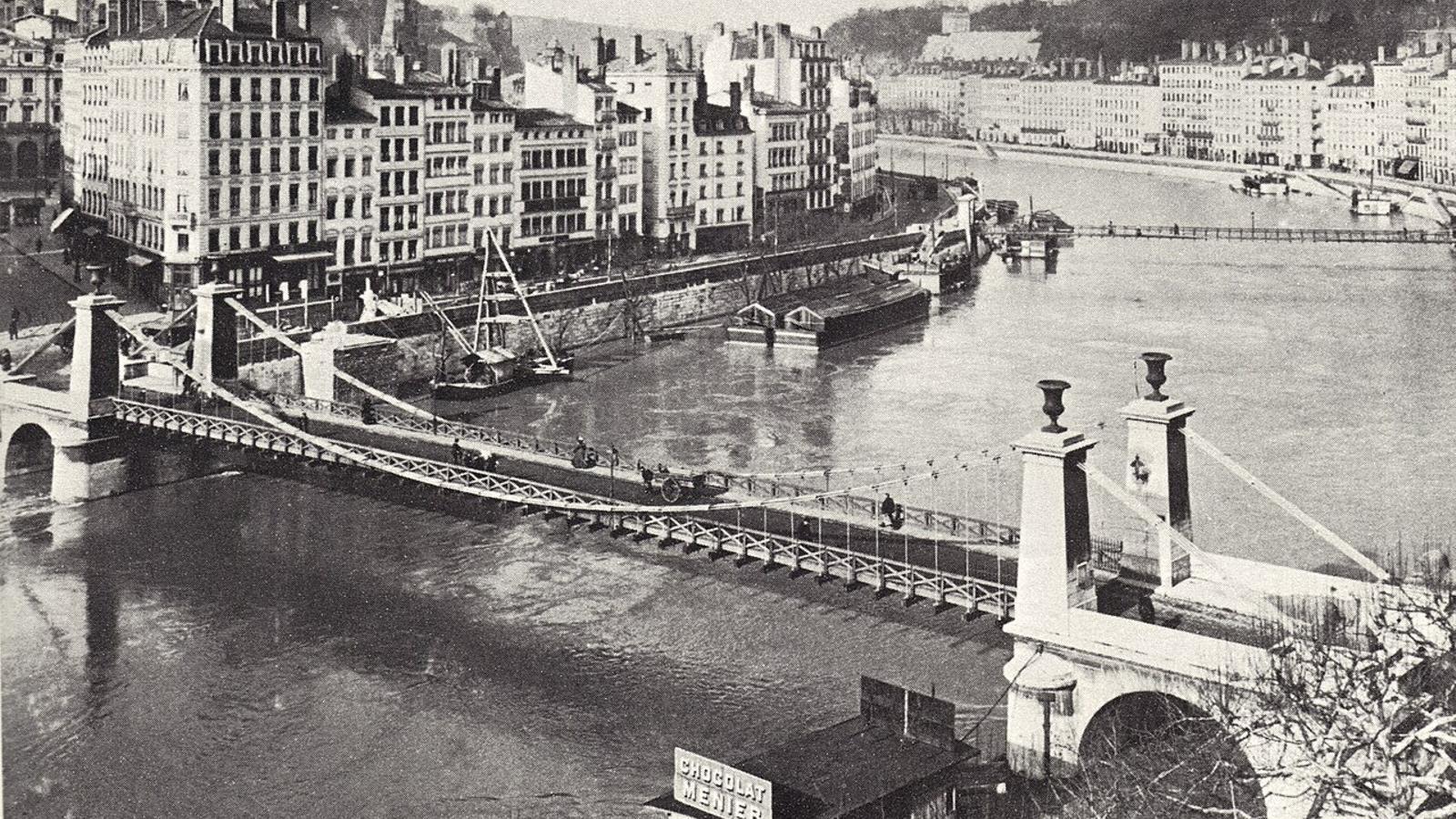
In this work, the author does not resort to fiction, as he did, for example, in the not entirely successful Vida interior d’un escriptor (1928) or in the memorable La farsa i la quimera (1936). Here he explains, describes, in great detail, a significant part of his childhood and youth: the years in the village, the stay in Barcelona, where he will live with uncles and his mother, and the French adventure, with the diverse Occitan experience and the horizon of reaching Paris. (Marseille, initially, does not enthuse him – on the second day everything is stolen from him –; Lyon, on the other hand, amazes him.) Puig i Ferreter seems like a free verse of Modernism, who is born and works in the years when Noucentisme was already making waves: “The influence of fin-de-siècle ideological and poetic currents, which were like the last emanations of the great sentimental decay with which romanticism was ending, was deeply felt in my spirit”. A modernist epigone or not, the man from Selva is a romantic of heart and spirit who never stops fighting against the muse: “The imbalance between the strength I felt within me and the lack of skill to express myself produced in me a longing, a constant unease”. This is not true: in many of his works, particularly in this one, he expressed himself clearly and even brilliantly; despite the tiresome song of failures due to his autodidact condition, which he himself is the first to exaggerate, from time to time. Furthermore, in the cited passage he reproaches some of his companions that “today they copied Maragall, tomorrow Verdaguer or Guimerà”. Puig i Ferreter aspires to be himself: a poet – in those years of youth – of carved stone, singular and unique.
Build a great work
Everything, in our author, is excessive: “Then it was like this: either I would get bogged down, up to my knees, or I would live sublime literary sensations”. This is his charm, however. He is a sensualist who tempers himself, a Dionysian who tries to bridle his desire (at twenty, women make him lose his head). The will to build a great work, however, saves him from all despair. And he dedicates himself to it body and soul. What a temperament! What a vocation, this man has! Despite the hardships he had to endure, nothing ever broke him. He visits Frederic Mistral, and leaves us magnificent pages about the poet for whom he expresses true adoration. He makes the journey accompanied by a man from Vilanova older than him, more experienced, who has been hanging around France for years. Josep, his name is. They maintain an ambiguous relationship, which made David Vilaseca reflect, in an article in Els Marges, let's say, we would find substantial differences: the sarcastic author of The author wrote the work twenty-five years after having lived the experience. That is why he evokes some of the individuals he met in France who, more or less reformed, end up achieving the rank of novelistic characters (and he refers us to the works in which he brought them back to life). If we compare his attitude as a writer with that of Josep Pla, for example, we would find substantial differences: would the sarcastic author of La vida amarga ever have written an entire chapter of his work titled “I marvel at being so happy”? And, despite this, there is not so much distance in style! The notes on the rivers of France; on the cemeteries, so close to the villages; on the differences between the South of France and the North, are, frankly, splendid. As are those he dedicates to reflecting on the condition of a vagabond (which he embraces to gain experience as a writer).
Camins de França is a work of great ambition, whose episodic flaws, depending on how you look at it, make it even more appealing. And it unfolds the beautiful story of a young man who lived with passion — and a certain naivety — what the day presented him with: “How beautiful, yet alive, and dazzling, this new thing that I have just encountered is.” And with full gratitude! The reader, more or less, will have to recognize themselves in it: especially in the description of moments of joy, which Puig i Ferreter achieve an extraordinary vividness.
