Must we suffer because the stock market falls?
Professor Boar defends not to panic in the face of market drops due to geopolitical tensions

-
CAT -
CAST
When the conflict with Iran began, I warned that the impact on the markets would probably be a matter of days. And, with the information we had then, it was a reasonable assessment: both investors and analysts (like me) expected a short conflict. The reality, however, is quite different.
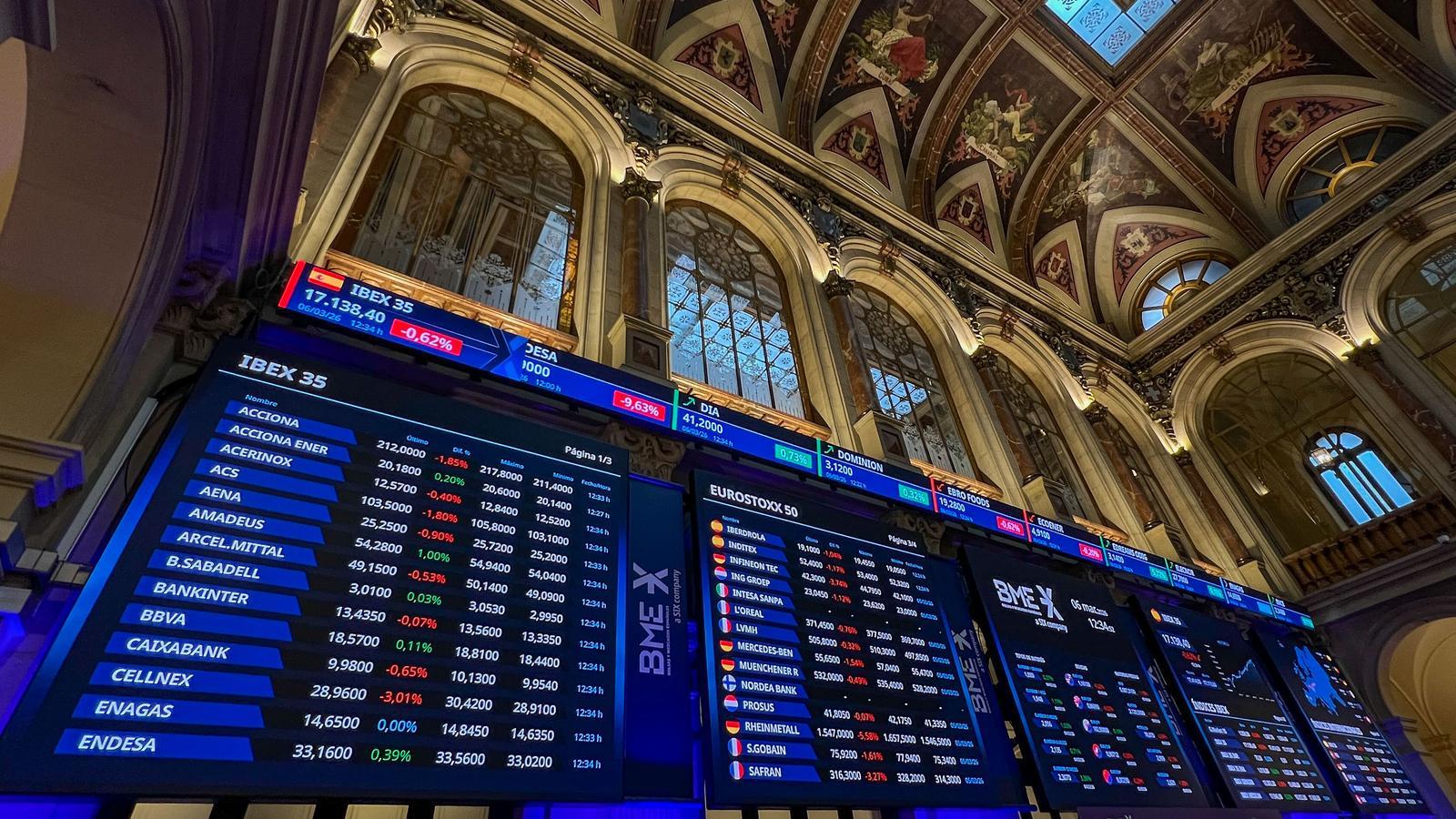
In recent days, despite widespread declines, some optimistic messages from Donald Trump had helped to contain the tension, even with small upticks in the stock market and some calm in oil prices. But this apparent tranquility was fragile. In fact, we have seen movements of up to 30% in crude oil in a single day. Now, however, the market seems to have stopped believing this narrative. Although Trump insists the war is "won," the reality is that the conflict does not seem likely to end soon. And this is precisely what is now penalizing the stock markets.
The decline is no longer just a response to initial fear, but also to the economic consequences of a conflict longer than expected. Especially due to the rise in oil prices, a key factor for growth, inflation, and business margins.
Should we panic? Clearly, no. When the market turns downwards, almost everyone loses money. It's part of the game. At this time, the most important thing is to remain calm and have patience. The fact is that the stock market moves not so much because of what is happening, but because of what it believes will happen. And now the problem is clear: the market underestimated Iran's response capacity and the possibility that the conflict would drag on much longer than expected.
And, as always, we must look at it with perspective: when we look at the stock market chart in 3 years, the current decline will seem like a trifle in the long term. Patience and do not let yourself be carried away by impulses.
