Fires: how do we ensure farmers don't have to leave?
A thorough dialogue is needed between the Generalitat, farmers and ranchers, and the agri-food industry to ensure that farmers do not leave
-
CAT -
CAST
We start the week the same way we spent the weekend: pending the Gavarres fire. There are still people who cannot return home.
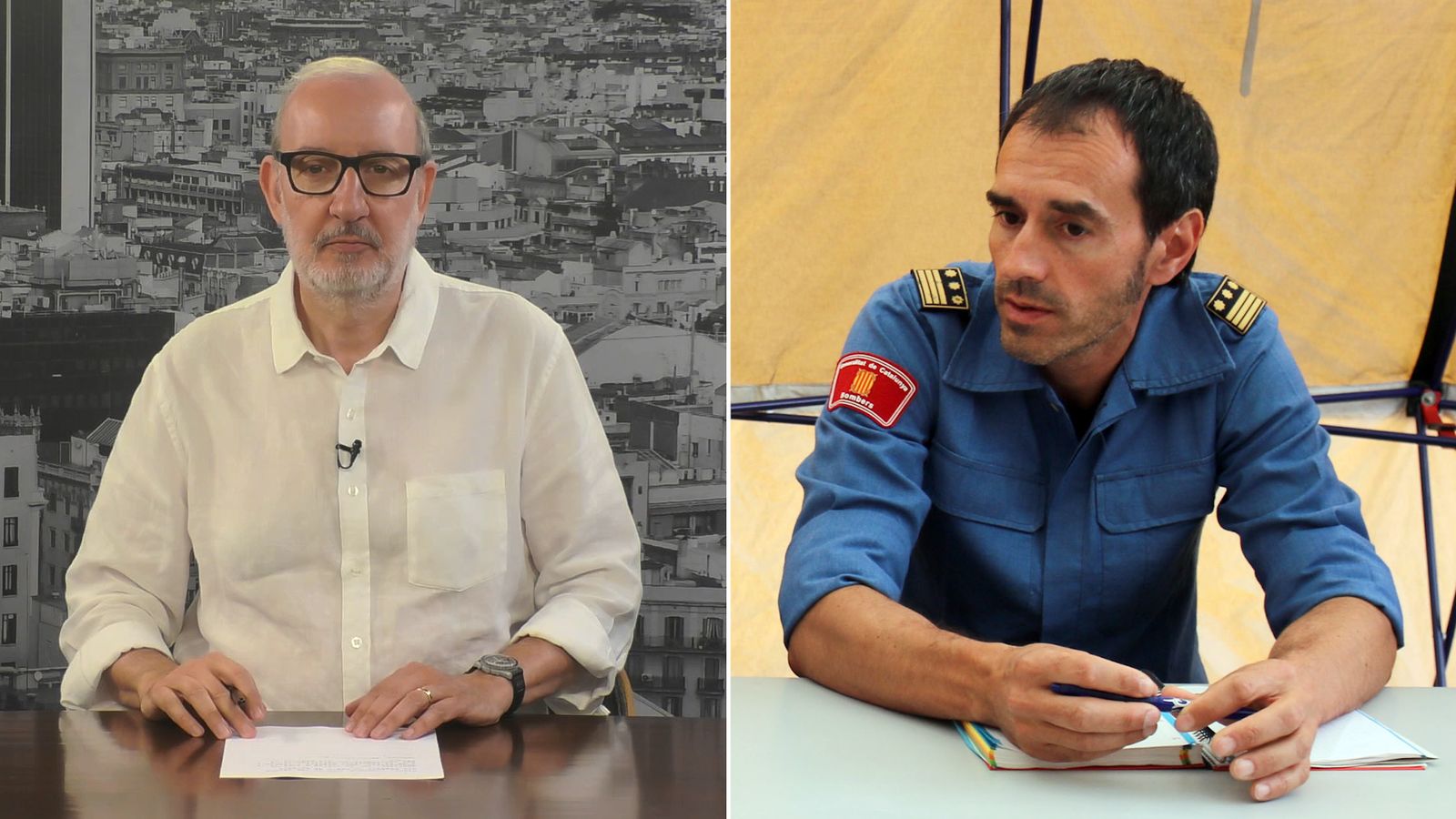
The head of the Generalitat Firefighters, David Borrell, declared this morning that it cannot be guaranteed that the fire can be considered controlled during the course of today, because the fire is no longer "growing significantly" but still has a lot of activity, many smoldering areas and some flare-ups. The good news is that the right flank of the fire, the one with "more potential" and could "burn all of Gavarres", is "much more stabilized than the rest of the perimeter". The bad news is that we are entering a new heatwave.
In summary, three days after the start of the fire, we must acknowledge two realities: that we have been lucky with the wind direction and that we have a great Generalitat Firefighters service, well-prepared, with combat methodologies that are constantly updated according to the changes caused by climate change, with very accurate prediction models, which throughout the year are in constant contact with fire departments from all over the world that have similar climates. But no matter how well-equipped and well-led the Generalitat Firefighters are, today's forest fires far exceed human capacity. So, the most important thing to extinguish them is no longer so much the ground tactics at the moment of the first flame as prevention.

And this is where we still fail a lot. If we talk about Les Gavarres, the mayors say they have many hectares, little money, and a lot of paperwork. There is a lack of money and manpower to maintain forests, and a lack of agricultural and livestock policies that keep farmers in the territory.
Because with forest fires, there are a few pieces that don't fit: we have learned the importance for a country of its food sovereignty to not depend on third parties, and the act of preferentially consuming zero-kilometer products, to reduce the ecological footprint as much as possible. These are products that our farmers could produce, who would very much like to stay on their lands, but the numbers don't add up because they are squeezed on prices or cannot compete in quantity. The result is that the rural environment is abandoned, the forest grows and the threat of fires increases, but we continue to bring food from far away because it is cheaper. Price weighs heavily on the purchasing decision, but in the end, the cheapest will end up costing us more.
A thorough dialogue is needed between the Generalitat, farmers and ranchers, and the agri-food industry (which represents 18% of the wealth produced in Catalonia) to ensure that farmers do not leave, everyone can make a living, and together we do not lose the country in fires like the one that is still burning.
Good morning.
