How can it be that our heads didn't explode in front of the expression “Brazilian butts”?
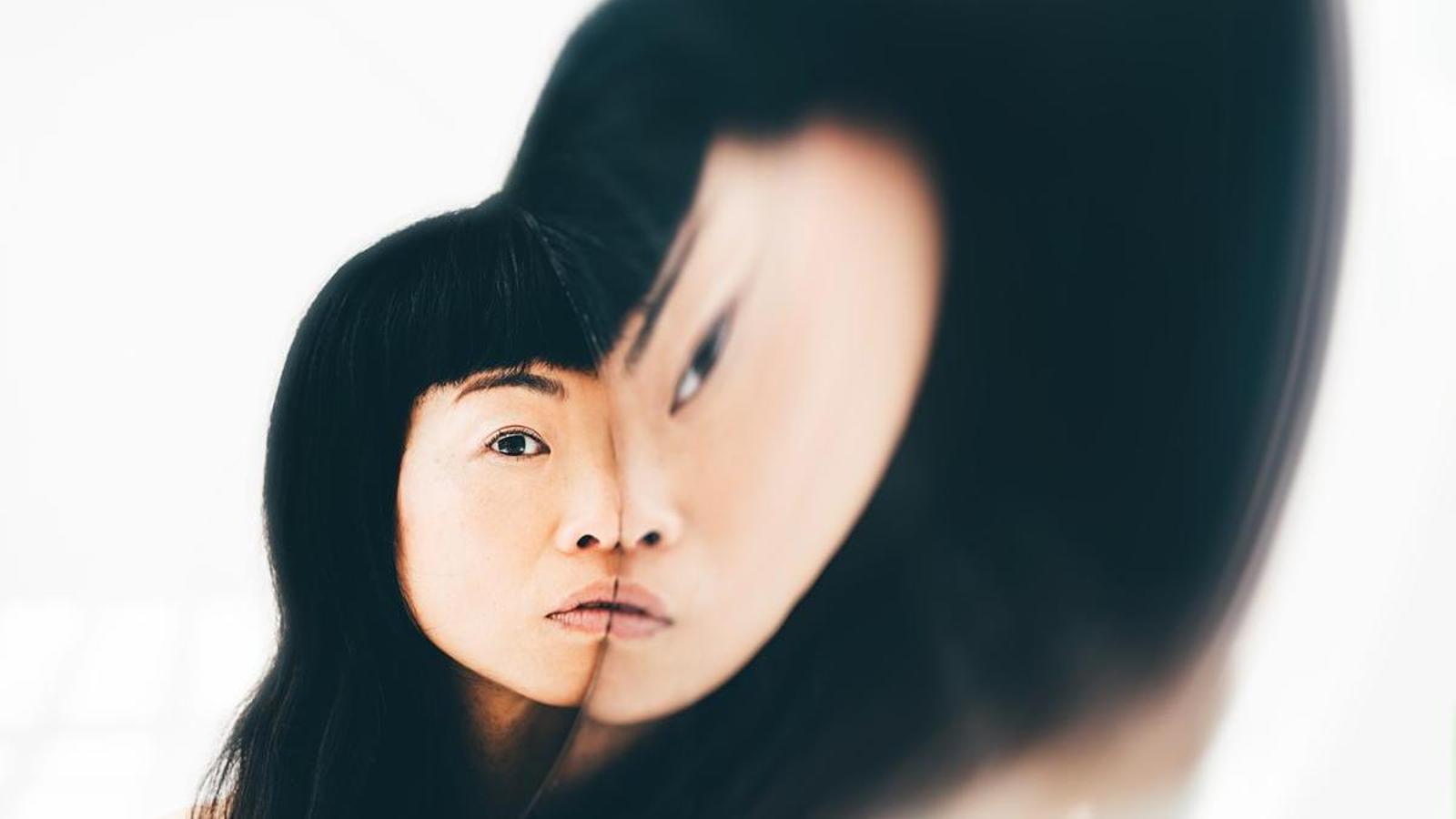

My mother used to say that she had been lucky. When she met my father, the actress Kim Novak was in fashion, and with her, a type of woman with hips and a generous body. In other words, not thin. Later, she would lament that fashion had changed and that gaunt bodies had become the trend, because she knew that her daughters would have a harder time of it. I would listen to her and curse my bad luck because, at home, for years and years, I was the fat one, the chubby one, the one who didn't have the normative weight that was expected and, of course, was a person in a permanent war with her own body.
I never stopped to think how perverse and stupid it was to put the words body and fashion together in the same sentence, and to accept as if it were nothing magazine headlines that announced to us that Brazilian butts were in style (how can it be that our heads didn't explode at the expression “Brazilian butts”?), thin bodies, big breasts, small noses, and plump lips, and so on to infinity, as if it were normal that a woman's body parts (always a woman's) could be changed and renewed like a sweater or a pair of leggings.
What I am explaining may seem very vintage, but things haven't changed much. On the contrary, they have gotten worse, and now, on top of that, there are social networks that amplify everything. For the skeptics, here are a couple of facts:
In the 2020-21 academic year, the Association against Anorexia and Bulimia of Catalonia conducted a survey of adolescents between 12 and 16 years old: 47% of the girls responded that they wanted to lose weight and 41% that they had at some point gone on a diet to lose weight on their own without medical supervision. And the Women's Institute, which depends on the Ministry of Equality, has published this 2026 study on the self-perception of women's image in new digital environments, and it turns out that 70% of young girls have seen aesthetic surgery ads on social media and three out of four have been exposed to comments about their physique.
I am not discovering anything new when I say that the bombardment regarding how our body should be has grown in parallel to the rise of feminist consciousness. It is not a coincidence. If they cannot control our minds, they try to control our bodies. Again, it is not I who has discovered this, far from it; there are many studies that explain it, but it is good that we keep remembering it. Because as long as all women, absolutely all (or almost all), think that our body is not what it should be, we will be weaker and more manipulable. Sicker physically and mentally. Less dangerous. Because this is the goal: to deactivate us.
It is evident that the work of dismantling the big lie cannot be done alone; public policies are needed to prohibit everything we have to swallow: stores with impossible clothing sizes, social networks with poisoned algorithms, advertising that continues to want to impose the impossible on us, and so many, many situations of aesthetic pressure. But we can also carry out small revolutions, such as stopping talking about other women's bodies. And, above all, looking at ourselves in the mirror knowing that what we see there is not fashion, it is life.
