The magic of the Tour de France, the race that brings us back to childhood
The most mythical race will leave a lot of memories in Catalonia, where it passed for the first time 70 years ago

-
CAT -
CAST
BarcelonaWaiting for the Tour de France caravan is like waiting for the Three Kings. Long before the cyclists arrive, curious vehicles paid for by the race sponsors parade by, distributing all sorts of gifts on both sides of the road. When you're a child, it's a magical moment. Caps, water bottles, t-shirts, or candies fall from the cars. Then the cyclists arrive. They pass quickly. It doesn't last long. And it's worth it. Those of us who went to see stages in the south of France when we were little remember every detail of those adventures. Later, I returned with friends at a time when you'd take up positions on the mountainsides with sandwiches wrapped in foil and beers. It must have been 2001. The roads were full of Basques dressed in orange, as the Euskatel team was participating in the Tour. It was also worth it.
The Tour is one of those events that excite because it reminds you of your youth. The Grand Boucle arrives just as the holidays begin. And the best years of many people's lives are the holidays when you're young. You remember those afternoons sitting on the floor in front of the television watching Perico Delgado suffer alongside your parents. Years later, I was in an apartment on the Costa Brava where 10 of us slept crammed together, cheering on Miguel Indurain. And indeed, we heavily criticized Bjarne Riis when he broke the heart of that kind, gentle Navarrese giant that was Indurain on the slopes of Hautacam in 1996. I saw that stage in Platja d'Aro and was in a bad mood all night in a disco. Who knows where Manel were, who years later decided to reference that stage in their song Boomerang, saying "I think it was in July that Indurain melted away".
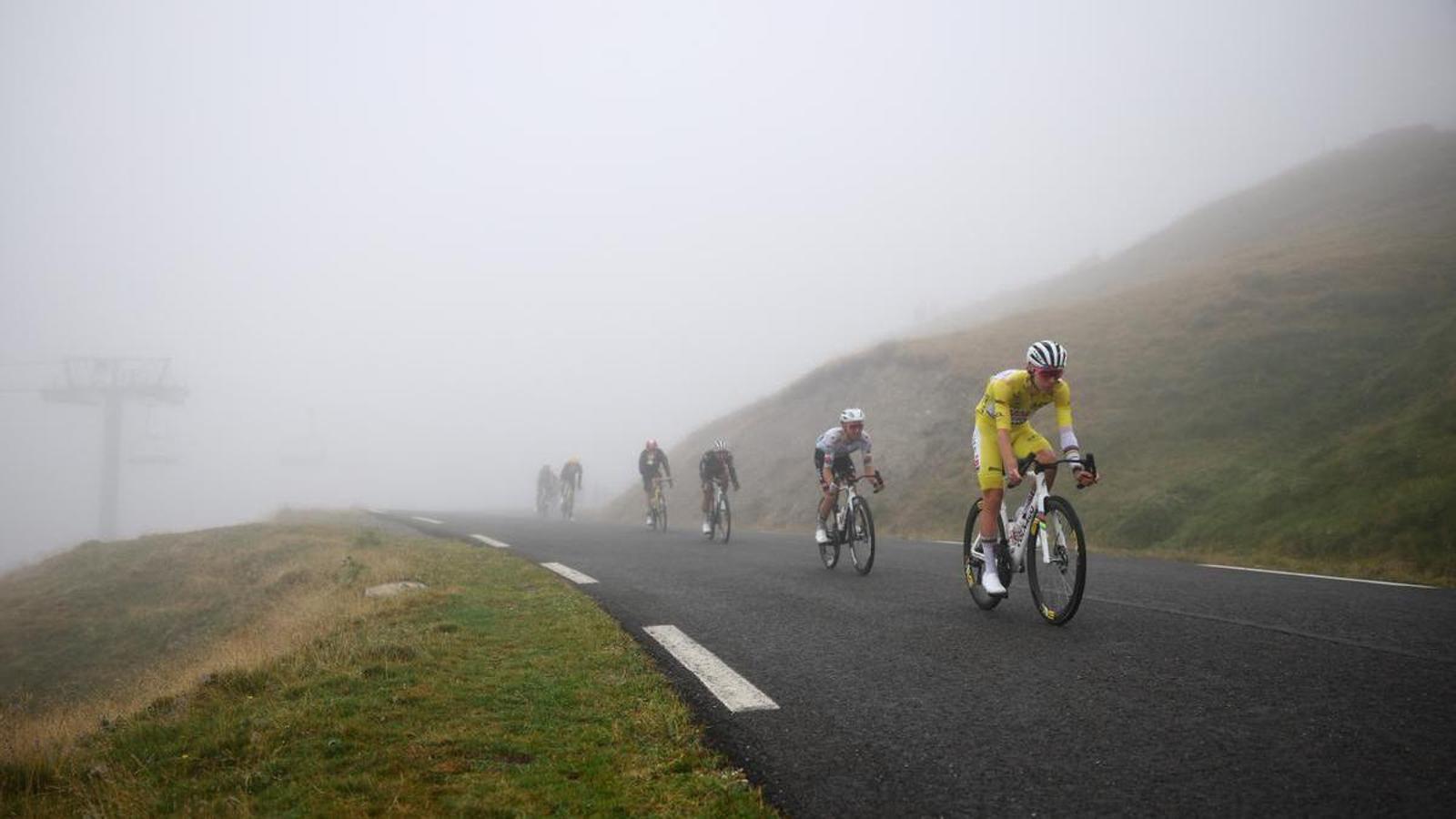
The Tour, as happens now with the Football World Cup, places us in time. You remember a great stage and you remember who you watched it with. The race has had its ups and downs, especially when we discovered that those champions we had considered giants had a lot of doping in their veins. But just now that Catalonia is hosting three stages of the race, the best cyclists thrill us as before. It is a sweet era, with the Volta a Catalunya enjoying good health, more and more local male and female cyclists shining and cities like Berga making a magnificent commitment to two wheels. It makes sense that the Tour makes a circuit to start in Catalonia. And it does so with an impressive lineup. Looking at the fascination that Pogacar provokes, you can understand the emotion of the grandparents who talked to us about Coppi, Bahamontes or Anquetil. Or the father who remembered when he had seen Eddy Merckx. The magic of cycling is that people who saw a cyclist live, perhaps just for five seconds passing quickly in front of them, talk about it in great detail. As if they had seen Napoleon pass by their house.
The Tour has been written, sung, and explained. Kraftwerk released their famous single "Tour de France" in 1983, when the best journalistic pens had already turned many cyclists into mythological heroes. The Italian Gianni Brera followed all the stages with an Olivetti typewriter and even Salvador Dalí showed interest in this aesthetically pleasing race. Seeing a man pedal to climb a summit is exciting. Perhaps it doesn't make sense, if you stop to think about it, to suffer so much. But perhaps that's why we like it.
These days, images of the first time the Tour passed through Barcelona, in 1957, with a stage ending at the Olympic stadium, were being recovered. They are very beautiful images. The caravan enters the stadium with people dressed as animals advertising the French brands that were paying for the party. Children shout, excited, in an era when children were more innocent in a darker society, in Spain. The stands are full of men in ties, well-groomed. When the cyclists enter, everyone shouts. In 50 years, many people may remember these Tour stages in Barcelona with the same emotion as those who saw Anquetil in Barcelona decades ago.

