Why are animal-borne diseases increasing?
Climate change and international mobility favor the increase of zoonoses transmitted by rodents, mosquitoes, and ticks
-
CAT -
CAST
BarcelonaAs happened six years ago due to the covid-19 pandemic, the hantavirus outbreak has shown that zoonoses, diseases transmitted between animals but with the potential to infect humans, are one of the great threats of the present and future for the health of the population. Although there are some parallels between the current escalation of infections and the covid-19 crisis —mainly the animal origin of the virus—, experts insist that the current situation is very different and assure that hantavirus does not have the capacity to cause a upheaval of the magnitude that coronavirus caused. It is much less contagious and, therefore, it is more unlikely to spread. However, they acknowledge that the growth of global mobility, the rise of extreme climate phenomena and rising temperatures will make the appearance of these types of diseases increasingly frequent.
Almost two-thirds of emerging diseases in the world are zoonotic, explains Alex Almuedo, from the International Health Service of the Hospital Clínic of Barcelona and researcher at ISGlobal, who focuses his research on these types of pathologies. An emerging disease is understood as one that, like covid-19, appears from scratch or, like hantavirus, is already known but experiences a sudden increase in cases in a given population. "We know that these diseases will become more frequent, which is why we must have public health systems prepared to respond to any emergency," argues the expert.
Hantavirus is a well-known entity in certain areas of the world, including the entire American continent. "The hantavirus outbreak affecting a cruise ship reminds us that zoonotic diseases can become an international public health problem when we combine international travel with wildlife reservoirs and remote environments," says Rachel Lowe, researcher and director of the Global Health Resilience group at the Barcelona Supercomputing Center (BSC).
A group of researchers from Chile, Sweden, and the United States published a study in the journal The Lancet in 2023, which provided a detailed review of this pathogen and warned that environmental and climatic phenomena favored contagion because interaction between rodents —reservoir and transmitter of the virus— and humans increased. For example, when there are heavy rainfall or floods, there is uncontrolled vegetation growth. In the case of the hantavirus-transmitting rodent, these conditions cause certain species of bamboo to proliferate, which are an important food source for these animals. This causes localized and sudden increases in rodent populations —in fact, conditions are now more favorable for their reproduction than 30 or 40 years ago, also due to the increase in waste from humans— and, according to the study, this directly leads to an increase in virus infections in both rodents and humans.
The case of leptospirosis
Almuedo insists that these extreme meteorological phenomena favor the increase of animal-borne diseases. Another zoonosis that is transmitted mainly through infected rodents is leptospirosis, which is of bacterial origin. An infected animal contaminates the water with these bacteria, and humans become infected when they come into contact with it, which is why it is especially common in tropical areas or in regions with torrential rains. It is also one of the main risks when there are floods; in fact, it was one of the health emergencies derived from the tragic dana in the Valencian Country at the end of 2024, when three positive cases were detected.
Lowe explains that his group does not work directly with hantavirus, but they have carried out several studies trying to understand the links between extreme events and leptospirosis. Together with the Joint Research Centre of the European Commission (JRC), they have been able to confirm that, by combining epidemiological, climatic, and environmental data, there is potential for the risk and spread of leptospirosis to increase throughout Europe. "It is important to be able to integrate all these different types of data to strengthen preparedness, have early warning systems, and be able to withstand local outbreaks," says Lowe.
Temperature and mobility
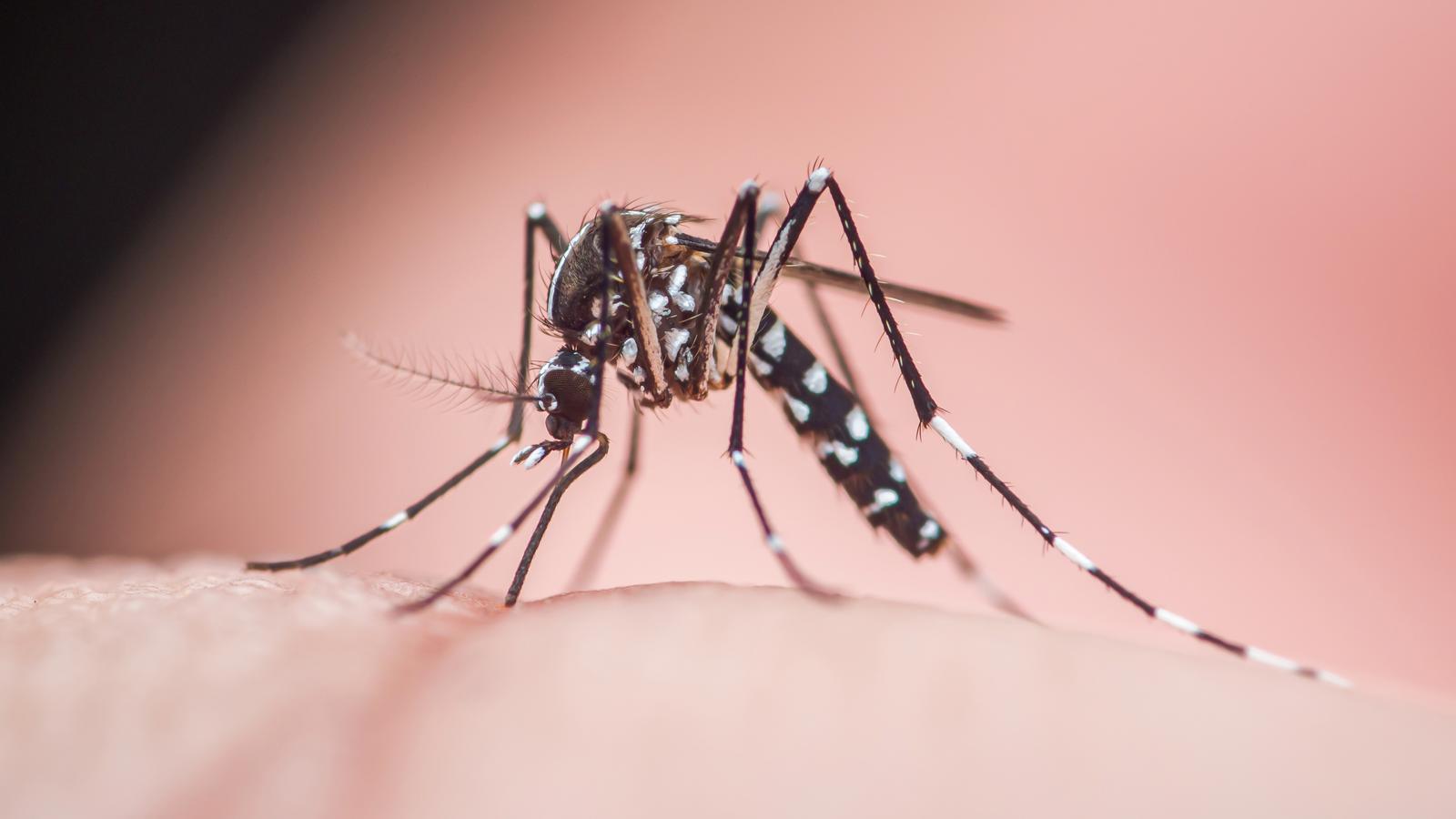
However, heavy rains are not the only or the first phenomenon that increases the risk of zoonoses. The climate crisis is causing high temperatures to arrive before the summer months, and therefore, so do mosquito and tick plagues. These insects are vectors for the transmission of diseases such as dengue, Zika, chikungunya, and West Nile fever, which are becoming more common in Spain each year. These diseases were previously only seen in imported cases from other countries, but now autochthonous outbreaks are frequently detected – meaning the transmission is not associated with any travel – and experts predict they will become endemic in Spain.
The increase in international travelers – counting both Catalans who go on vacation and visitors the country receives throughout the summer – combined with the proliferation of mosquitoes, creates the breeding ground for these diseases to become increasingly frequent. In Catalonia, there is the tiger mosquito, which can transmit dengue, chikungunya, and Zika, and the common mosquito can transmit the West Nile virus.

"The movement of people and the incubation period must be taken into account. Now you get to the other side of the planet in a short time, you get infected and develop symptoms when you return. This way it spreads very easily," says Almuedo. If a mosquito bites a person infected with this disease, it will be able to infect other people and cause an autochthonous outbreak, as happened in Vila-seca at the end of 2024. "We don't have to stop traveling, but we must ensure that we are better connected to disease surveillance systems to act very quickly in these cases," assures Lowe.
Deforestation is another element to consider, according to the expert, as it increases interaction between wild animals, domestic animals, and humans, and this increases the risk of contagion. For all these reasons, Almuedo insists on the importance of raising public awareness about how to act when an outbreak of these characteristics is detected and also conveying that breaking transmission chains is a collective objective. In this case, the people on board the MV Hondius have been isolated in their cabins and have used masks if they went out, and, in addition, they will undergo mandatory quarantine until it is ensured that there is no risk of dissemination. "The risk in Spain and Catalonia is considered low, but we must be alert," concludes Lowe.
