The Supreme Court threatens to fine Moncloa if it does not deliver the 160,000 names affected by the 'clean-up law'
Of the 31,390 cases that have been reviewed, there are only 91 people who have accredited the exile of their ancestors

-
CAT -
CAST
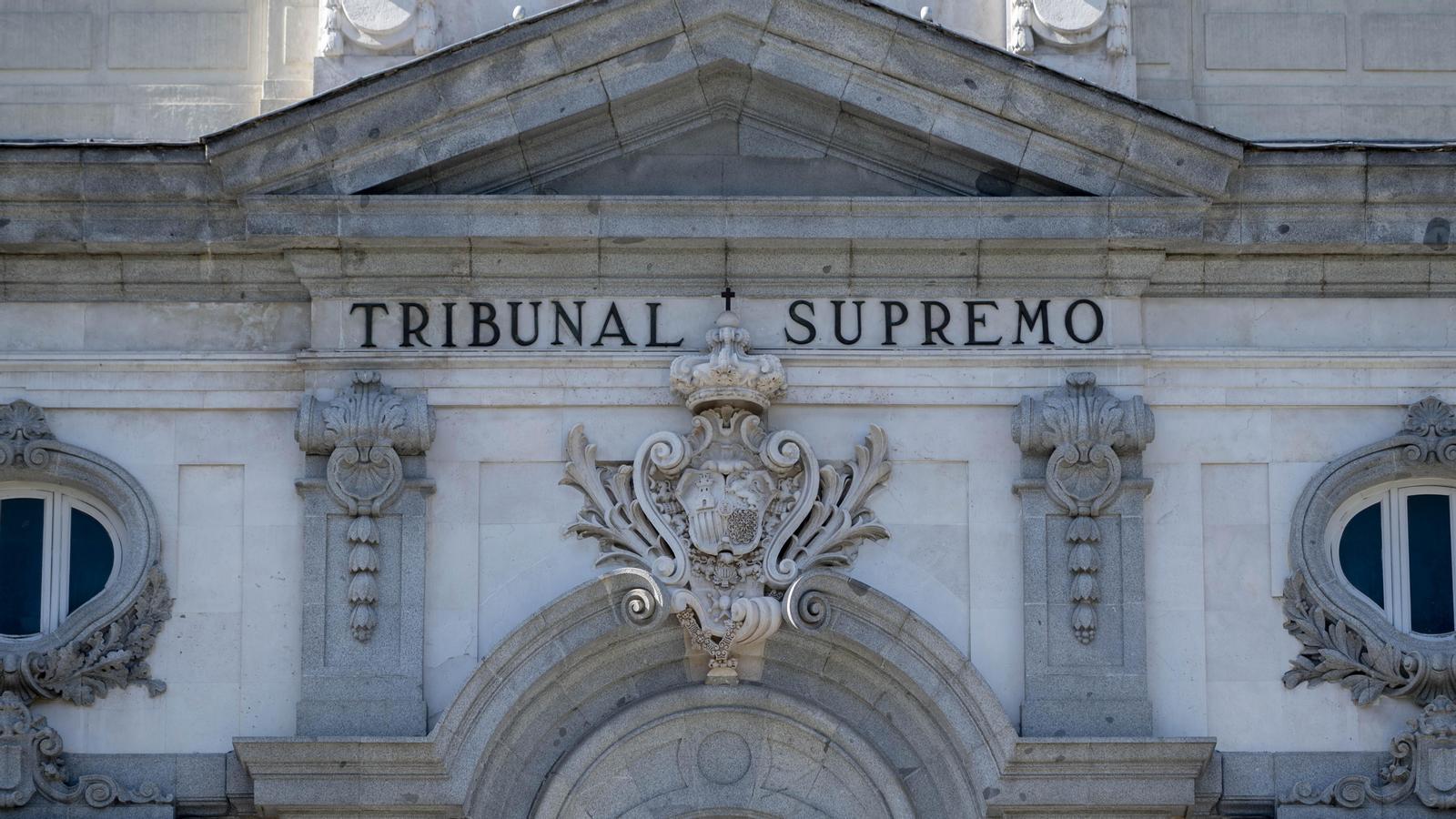
MadridThe Supreme Court raises the tone in the conflict with the Spanish government over the vote of those naturalized under the Democratic Memory Law. The high court has given a five-day deadline to ministers José Manuel Albares and Félix Bolaños to submit the list of the 163,020 people affected by the suspension of the vote for the Spanish elections on November 29th. They must send it to the Supreme Court, the Central Electoral Board, and the Electoral Census Office, and they have until Wednesday, October 28th, at 3:00 PM to do so. The contentious-administrative chamber of the high court does not stop there, but threatens the Ministers of Foreign Affairs and of the Presidency, Justice and Relations with the Cortes with a possible fine or, even, with criminal liability –which would have to be investigated by the criminal chamber– if they fail to comply with the requirement. The fine would be 1,000 euros and could be “reiterated” until the request is met.
“It is incomprehensible that the nominal list of the people who may be affected has not been provided, [which] is fundamental for the correct formation of the electoral census,” the interlocutory order laments. It also states that the State Attorney's Office has revealed that, as of Wednesday the 21st, 31,390 cases have been reviewed –out of the 163,020 in total– and that there are only 91 people who have proven the exile of their ancestors through certificates issued by consular registries. The resolution does not spare reproaches towards Moncloa: “Given that the administration knows perfectly well, because it has processed and resolved these files, the identity of all these people, it is impossible to guess what the reasons may be for not having provided the nominal list of the electors”.
The Supreme Court makes two more considerations. It orders the Electoral Census Office to include an “express warning” in the shipments of documentation, which begin this Saturday, so that it is clear that the beneficiaries of the Democratic Memory Law are listed in the CERA –the Electoral Census of Absent Residents– on a “provisional basis”. The Electoral Census Office will have to be in charge of excluding people who do not have the right to vote from the CERA list and, if they go to vote at the consulates, their votes will not be placed in the ballot box. A magistrate has issued a dissenting opinion because she considers that the decisions taken by the Supreme Court “materialize the legal insecurity” and the “operational uncertainty” that she herself denounced in the first two interlocutory orders.

La Moncloa is committed to responding on time
Félix Bolaños did not take long to react to the Supreme Court's move and, in statements to the media, assured that the Spanish government will deliver the list of those affected by the suspension of the vote within the set deadline. In this sense, he claimed that his ministry has been doing "everything humanly possible" to "comply with the requirements" from the first day, and added that he is aware that the Ministry of Foreign Affairs has given clear instructions to all consulates that will now be reiterated. It is a job that sources from the consular corps warned ARA that it is "impossible" to do.
For her part, the PP's undersecretary of sectoral coordination, Alma Ezcurra, wanted to add fuel to the fire and issued an "ultimatum" to the Spanish government: "We will know everything, and whoever disobeys will answer for it," she warned. And she referred to the figures provided by the State Attorney's Office: "Not even 1% has been able to prove the exile of their family without the presumption that Sofía Puente's instruction introduced on her own," she criticized. The popular leader accused the Spanish government of "negligence" and of "hiding" the data: "Elections are not tweaked six weeks before voting".
