Tragedy and frivolity
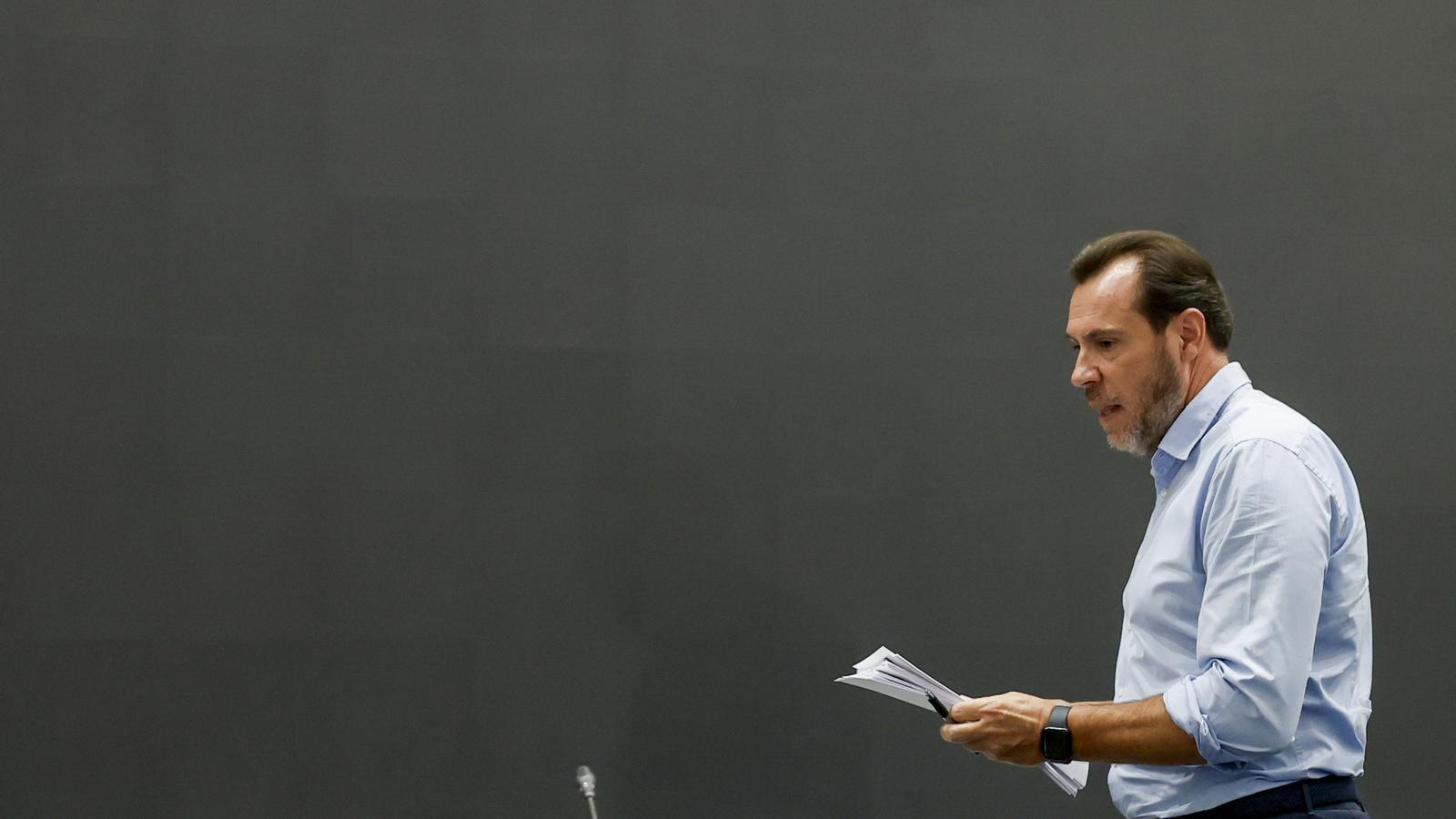
The unbearable frivolity of Minister Óscar Puente has lamentably marked the narrative and the debate regarding the terrible Urda train accident. His appearance on the first day as the government spokesperson—in accordance with his position—laid him bare. His entire speech revolved around one idea: attributing responsibility for the tragedy to a human error by the person in charge of the Atocha control center, who gave the order to the AVE train driver to start in normal mode. Consciously or unconsciously, the worst of politicking came from his soul: facing an extreme situation by looking for a culprit to pin the blame on. And failing to realize that with this frivolity, he was only further complicating the situation.
If it were true that everything depended on a single man, it would mean that the Spanish AVE had become an utter absurdity. How can anyone want us to believe that the coverage of such a high-risk service does not have complex safety mechanisms capable of reacting to an error of this magnitude? And, therefore, that what failed is an entire system—not just a personal lapse. Perhaps it should make us reflect that, for example, the Spanish AVE spends 45% less per kilometer than French high-speed rail.
The insistence on "we already have a culprit" makes Óscar Puente's remaining at the head of operations untenable. With what legitimacy? The tragedy—with the precedent of the January Adamuz accident—reveals a functional wear and tear on this AVE line that, for whatever reason, has not been addressed, opening up questions and demands.
No matter how much one may want to believe that technological development can handle everything, precariousness continues to accompany the human condition, and everything has its weak points. We are never free from tragedies. And it would be good for the opposition to learn from Puente's slip-up, and be careful about releasing, in sensitive circumstances like these, the pathetic discourse that it wouldn't have happened with us and leave it to me, I'll fix it. In the face of tragedy, restraint: wanting to profit from these situations portrays those who do so. And evading responsibilities discredits those who are in charge.
