The tragedy and the drama
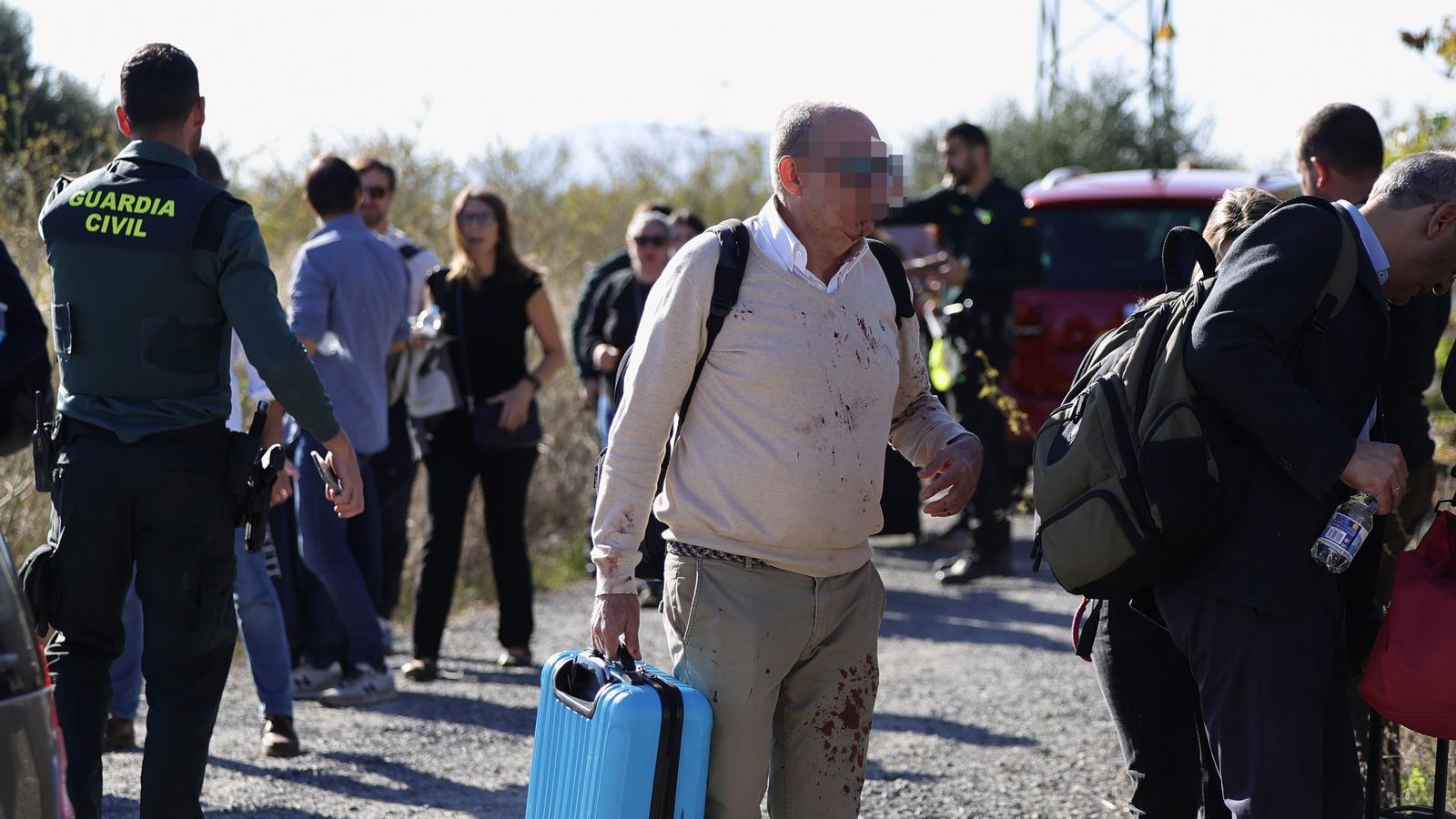
As the death toll rose mercilessly, the Minister of Transport, Óscar Puente, and the Spanish Prime Minister, Pedro Sánchez, came out to make statements. Puente made an effort to provide technical explanations, and he did so, but he introduced a cursed word, an inadmissible word in moments of desperation, and also in a savage election campaign, or pre-campaign: it is the word “inexplicable”. That the minister recognizes that the catastrophe occurred due to an “inexplicable” error (that from the control center the order was given to resume travel to a train on a stopped line, in a high-speed system that prides itself on being one of the most advanced in the world) is unacceptable because it is insufficient. Pedro Sánchez, for his part, gave a more political explanation, in which he hinted that heads will roll and that whoever has committed an error or negligence will pay dearly. At the same time, he also verbalized a cursed, and also unacceptable, piece of evidence both for the victims and for a context of all-or-nothing political confrontation: two extremely serious accidents on the high-speed line –two railway catastrophes– in the same year. In fact, with only seven months of difference. This is also not acceptable.
In 2011, the Minister of Public Works was Pepiño Blanco, who received a visit from the then-Secretary of Transportation of the then-brand-new Obama administration, Ray LaHood. Blanco proudly showed him the dense Spanish high-speed network, and LaHood, ironically, commented: “But you are rich, we cannot afford this”. Blanco's predecessor in the ministry, Magdalena Álvarez, had coined that inspired phrase according to which high speed was “sewing Spain with steel threads”. Blanco and Álvarez were socialists, but the one who had truly given the great boost to high speed in the Spanish state, drawing lines to connect destinations that did not require high speeds, had been the minister before them both, Francisco Álvarez-Cascos, during the prodigious mandate of Aznar's absolute majority, in the years that went from 2000 to 2004. Álvarez-Cascos was a regular of gossip magazines and the Bárcenas papers.
The PP and the PSOE have insisted on presenting as a source of national pride a high-speed rail network designed from a radial mindset and managed from the opacity, and often the incompetence, of Renfe and Adif. As the victim count rises, it is obvious (one only needs to take a look at the toxic buzz on social media) that the Urda accident and the precedent of Adamuz will be used as electoral fodder as obscenely as necessary. Conspiracy theories are soaring, Vox has refused to halt the pre-campaign –with the virile argument of not acting as “funeral mourners”– and the PP will soon join in the poisoning of discourse and the accusations, so as not to lose ground compared to a fascist partner with whom they are already even forming an electoral coalition to go to the Senate. Meanwhile, they are maintaining the seat –and the immunity– of Mazón in the Valencian Courts.
