The alleged Catalan homicides
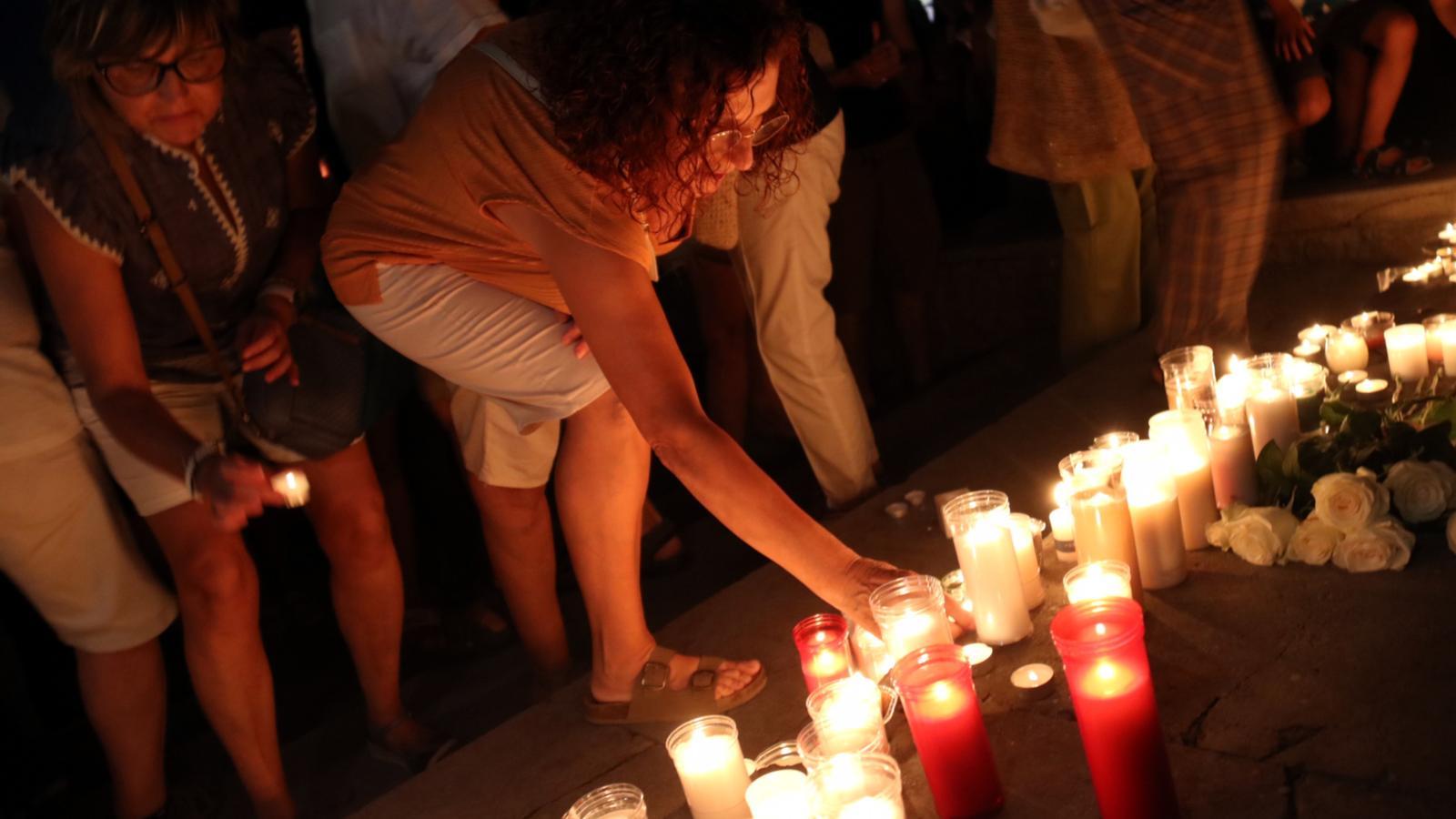

Humanly, policially, and politically, it is understandable that the Minister of the Interior, Núria Parlon, wanted to deny that the alleged perpetrators of the Manresa homicide are unaccompanied minors. Humanly, to prevent a falsehood from spreading. Policially, because many people forget—or do not know—that at the end of last year, the Interior Department began including the nationality of detainees in its official crime reports, precisely for the sake of transparency. And politically, because the falsehood serves the interests of those who live electorally off the stigma against immigrants.
But by denying it with the statement "they are Catalan," the minister contributes to the debate, as if the most important thing were where the alleged killers came from, and she shifts the focus away from the only two things that should matter to us. One immediate: respect for the memory of the murder victim and their family. And one structural: that everyone can walk the streets of our country with the peace of mind that they will not be stabbed, and that is the responsibility of the Mossos.
We all know that it is the poverty indices in certain neighborhoods or streets that is the factor that most drives young men, above all, to commit crimes. It is a fact that, in violent crimes or street robberies, the percentage of detainees of foreign origin tends to be higher. And since the results of social policies are slow by definition, police responses must be fast. It cannot be that in a capital as important as Manresa there are residents who explain on camera that they no longer dare to go out on the street after nine in the evening. This is the real problem. And if the police are not effectively on top of it, the parties of hate gain ground.
