The hour of literature
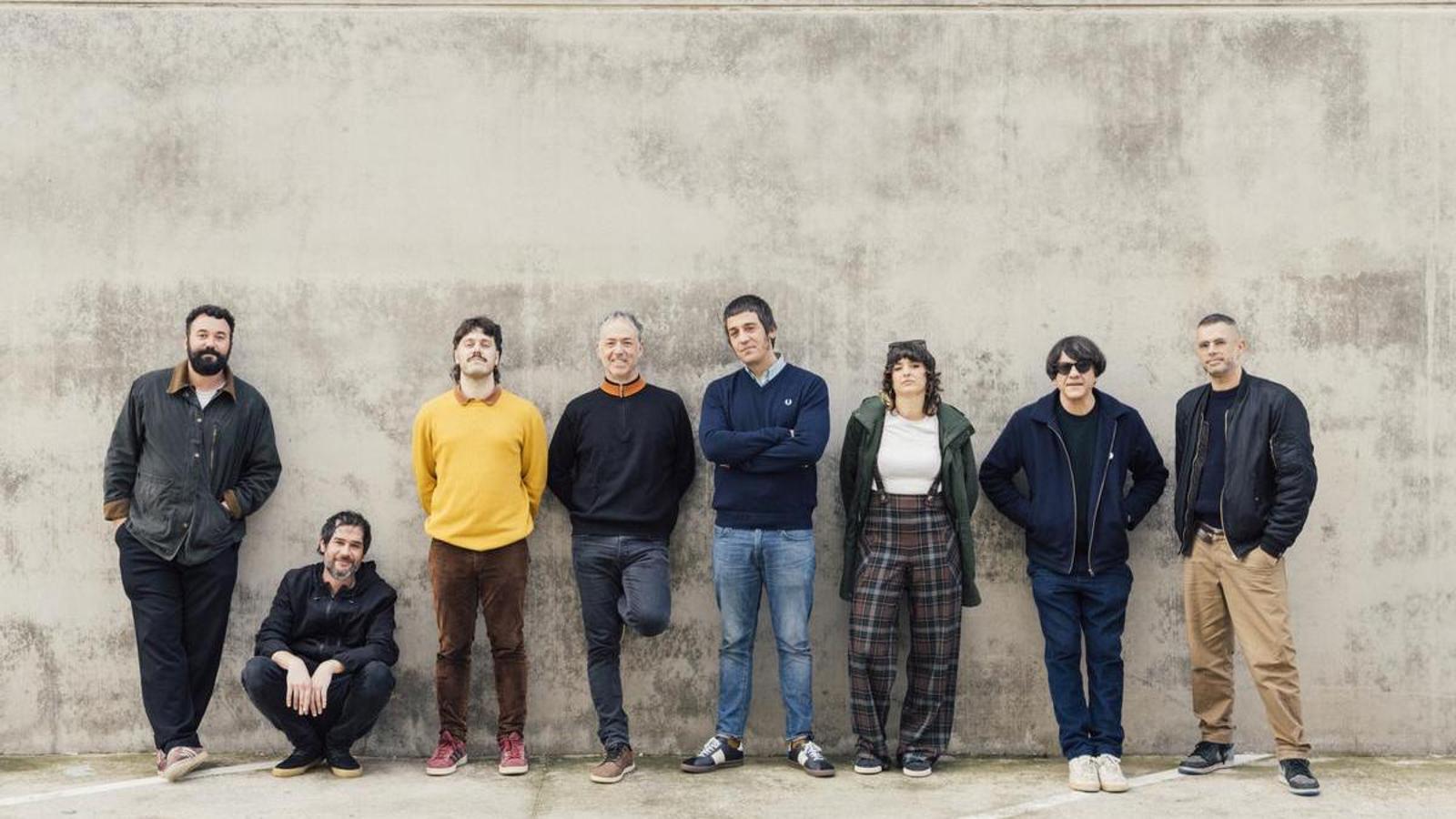

I read that the group Fetus, formed by Adrià Cortadellas, Telm Terradas and Adrià Jiménez, with Carles Belda and Joan Colomo (as producer), are releasing a – to put it in the manner of DJs – “new work”. At l’ARA, where we read that they dedicate their minstrelsy art to issues like the PSC, Aliança Catalana and Rodalies, they say this: "On this album they have called us chroniclers and we agree. In the end, it is all an exercise in understanding the ballad as a predecessor of the press and wanting to claim and reinterpret it as a genre that often has a certain objectivity, but the mere fact of singing it is already a political act in itself".
It is entirely true. This type of music, or perhaps of set verses to music, is a literary genre: the chronicle. I always say, in the reading clubs where I preach, that Bob Dylan's very long song dedicated to the boxer Hurricane Carter is a journalistic piece; therefore, literary. And that is why the author received the Nobel Prize for literature, entirely deserved.
In an era of so-called indexes that flit across the mobile phone screen in search of quick, simple jokes, and now that few people have records in their living room (or books) readily available for anyone who wants to listen while they work or dine, minstrels who tell ballads in Catalan seems like very good news to me. They exude joy and musical virtuosity, without any pretension, except for entertainment (and may they forgive me for the rhyme).
That this is in Catalan strikes me as surprisingly modern. While I listen to the accordion and violins, the lyrics tell me that “there is chaos on Rodalies” and that “'Now the doors are opening', they inform you in Spanish”. Sant Jordi has ended, but literature, in all its forms, does not stop. Irony is one of the highest forms of lyricism. And that makes me happy.
