Literary success and AI

-
CAT -
CAST
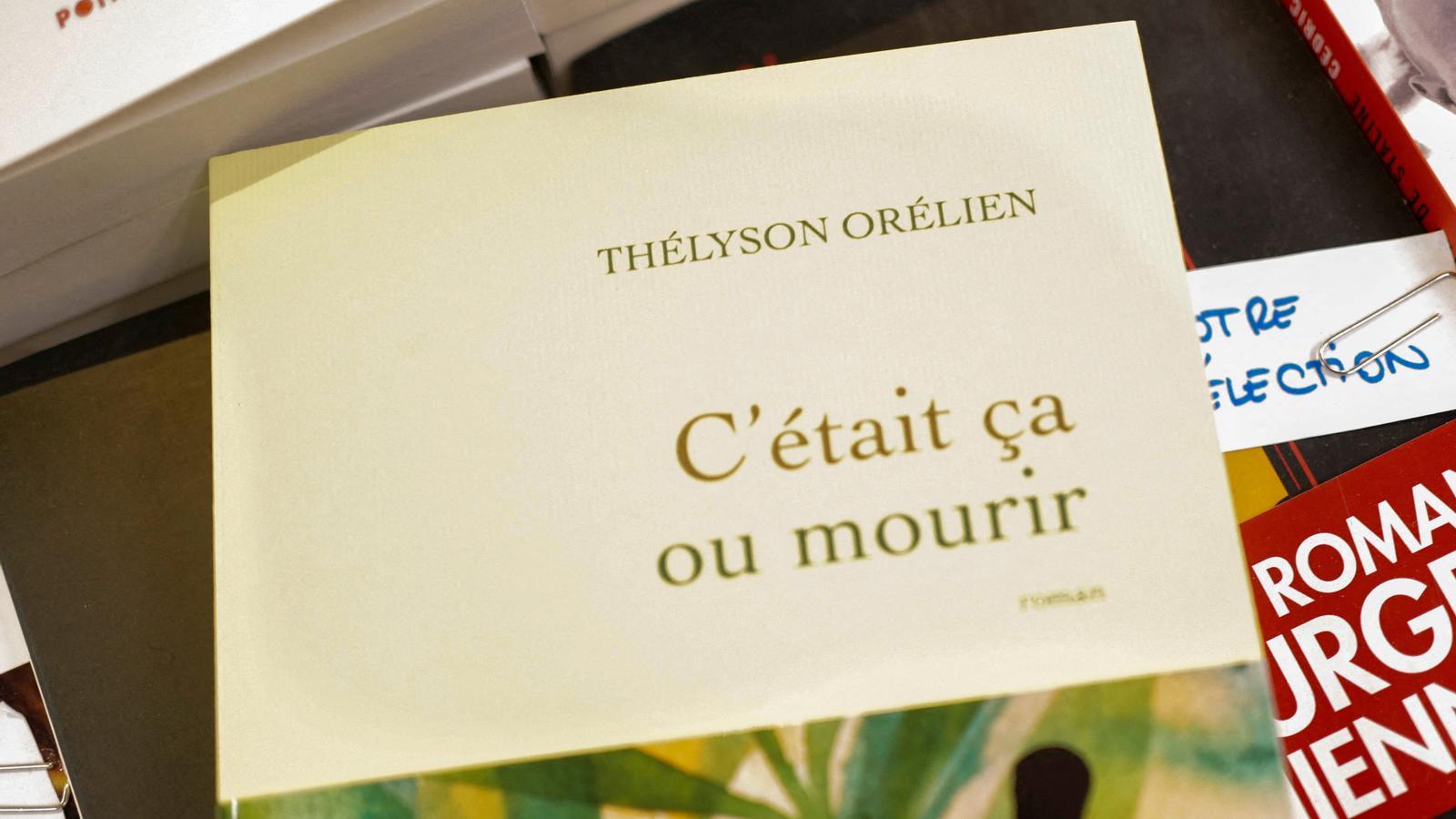
At the end of September, a scandal occurred in France that has shaken the publishing and cultural world. The novel that was leading sales in the rentrée littéraire –most fiction narrative is published just upon returning from the summer holidays– seems not to have been written by its author, Thélyson Orélien, alone, but rather that it is due above all to artificial intelligence.
The author of the novel C’était ça ou mourir (It was this or die), which recounts the long and difficult journey of a Haitian teacher to Quebec, fleeing violence and misery, is a Quebecer of Haitian origin, which added authenticity to the fictional story. The work had a resounding success with the public and critics, and was classified among the finalists for the best-known literary awards, until an anonymous account on a social network denounced that it had been written largely by AI. The person responsible for this report has turned out to be a right-wing commentator who is dedicated to making public cases in which AI has been used without disclosing it. He does this by running texts through computer programs that detect the use of AI, which is ironic and paradoxical: only AI itself is capable of confirming that AI has been used.
The reactions to this revelation have been diverse: from indignation at what is considered a scam (the president of the Goncourt Academy has even compared Orélien to the Catalan Enric Marco, whom he knows through Javier Cercas's book) to those who have defended him by saying that nothing forbids using AI to write a work of fiction. The author, for his part, has stated that he had written the novel years before AI was capable of performing its current feats in the linguistic field, and has accused his detractors of dehumanizing him.
Other commentators have provided context for this controversy: Alexandre Dumas, the author of The Three Musketeers, was already accused nearly two centuries ago of not writing his own novels and of having an entire team of hired writers to produce books at a sustained pace. The accusation was never proven, but it served to criticize what was already then called "industrial literature." Others have highlighted the racist and classist connotations of the Orélien affair: there are those who think it is impossible for a Haitian, or even a person of color, to master French and narrative technique so well as to write a good novel. Similarly, female authorship of works from the past is frequently called into question: a husband, a brother, or a secretary is opportunely pointed to as the true author of the work, even if it cannot be proven.
The current case, however, raises interesting questions regarding the literary institution and what we call “literature”. Regarding the former, it is part of the “cultural industries”, and publishers, due to market laws, are forced to create events, present authors as “revelations”, lobby for prestigious awards, media interviews, etc. None of this is illegitimate or unethical in itself, of course, but one must be aware of the extent to which it determines our tastes and reading habits.
Regarding the definition of what we understand by literature, in general it is broad enough to encompass everything from works that very few people get to read due to their intrinsic difficulty, such as Ulysses by James Joyce, to the latest bestseller of romantic fantasy, a genre that is currently triumphant and in which works written largely by AI abound. However, the novel by Thélyson Orélien is situated in the intermediate range of texts considered "of literary quality" but at the same time bestsellers. C’était ça ou mourir touches on a burning topic of today, without sweetening the harshness of forced migration, but with a "human" touch that softens the bitterness.
The paradox, in my view, is that AI is based on predictability: it proposes linguistic formulations to us based on what is most predictable grounded in the enormous quantity of texts it has processed. A good part of literature, and art in general, tends to be based on exactly the opposite, on images and expressions that surprise us, and make us think and dream precisely because they differ from those we use in daily life and communication. Mallarmé's assertion that poetry gives "a purer sense to the words of the tribe", although debated, is shared by many writers. Some publishers have begun to put the label "100% human" on their books. However, is there any human activity, in our technological and virtual era, that is purely human? Perhaps we would do better abandoning this ideal of purity and getting used to the idea that language is not an exclusive property of the beings we call ourselves humans.
