'Law of nets': stupor and trembling
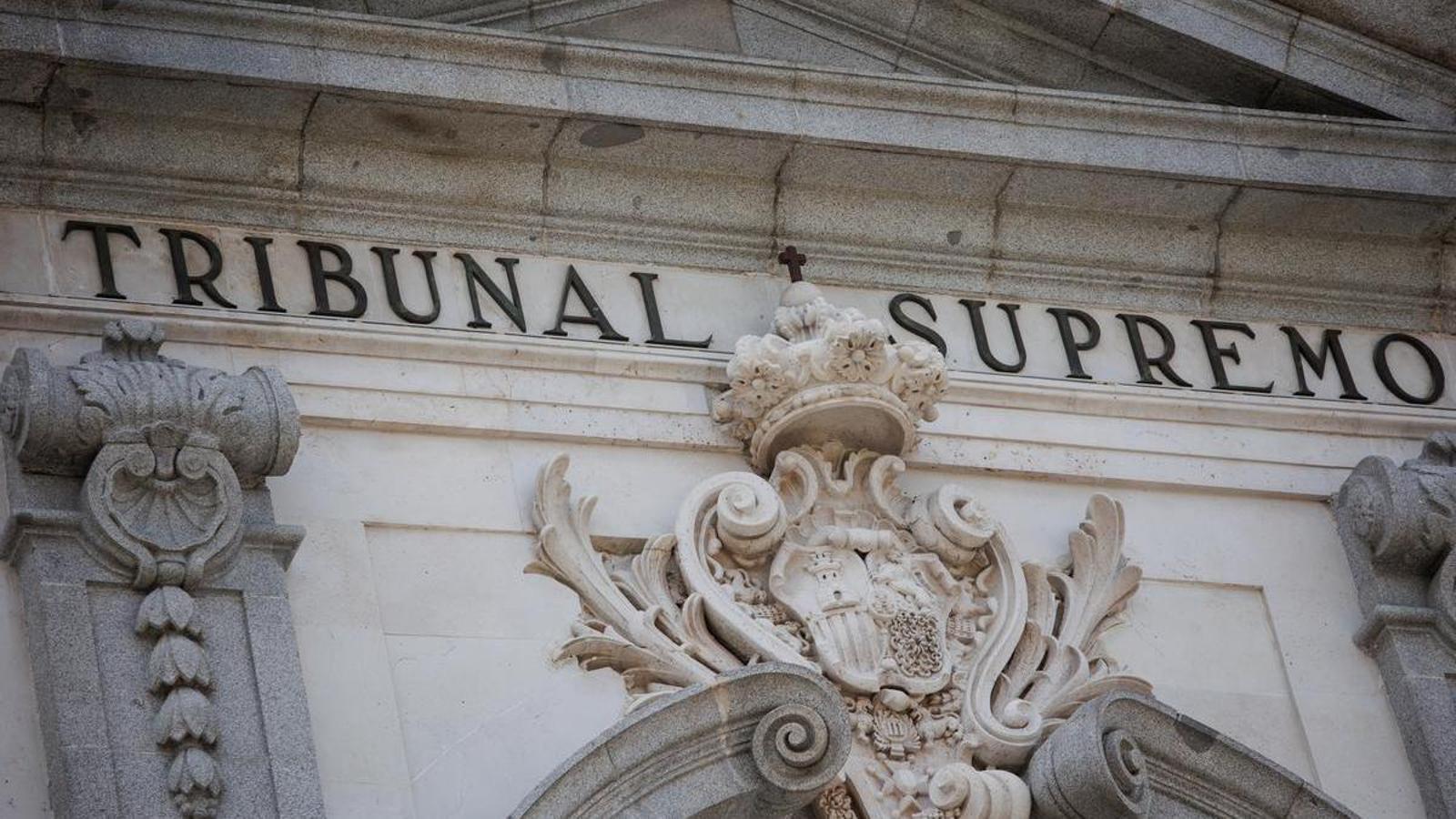

Some cynic might come to believe that the magistrates of the Constitutional Court were left exhausted after clashing with those of the Supreme Court over the amnesty law, and no longer had the strength to contradict them in a new outrage, as or more democratically serious than the previous one. It concerns the precautionary measures imposed by the Supreme Court against the eighth additional provision of the democratic memory law, which in practice leaves the 163,020 people naturalized by virtue of this measure without the right to vote. The Constitutional Court (by a large majority, but with two dissenting opinions) has dismissed—as “premature”—the claim of the Ombudsman, who had filed an appeal to set aside the Supreme Court's decision, given that the period for allegations that the Supreme Court left open for this case is still ongoing. Some cynic, as we were saying, might come to believe that the Constitutional Court magistrates preferred to hide behind a technicality rather than aggravate the clash they are already maintaining with those of the Supreme Court (a clash that is also a terrible symptom, in this case of the politicization of justice and its reverse, which is the judicialization of politics).
It is extremely disturbing that the highest court of the judiciary annuls the right to vote of a group of citizens who are full citizens, and that it does so at the request of the far-right party Vox and an affiliated entity called Iustitia Europa (it belongs to the type of “civic” entities that the far-right sets up to be able to receive public money or to be able to file lawsuits, or both at the same time). It is even more alarming because, let us remember, those naturalized by the so-called “grandchildren law” –a misleading name, as we have already said it is an additional provision of the historical memory law– had already voted in previous elections. Specifically, in those of 2023 (municipal, regional, and general) and in those of 2024 (European). Is the Supreme Court telling us now that the votes cast by these citizens in those elections were not valid? And that, therefore, the results were not either? The Supreme Court's arguments to justify its decision do not hide much: they speak of the suspicion that the vote of those naturalized by the democratic memory law could prevent “the desired result.” One does not need to be very perceptive to guess what is the result that these magistrates “desire.”

Beyond partial justice, the fact sets a very serious precedent. Which other groups could have their right to vote questioned, or directly denied, in the future? With what arguments, pulled from where? The constriction –the destruction, in practice– of universal suffrage, an essential and defining right of modern democracy, is a goal of the so-called new rights, which are in reality so old that they would like to return to the times of census suffrage, in which only those who meet certain economic, social, wealth, or gender requirements can vote (and are only full citizens). We are also at risk of losing this.
