And having said all this, pedophilia
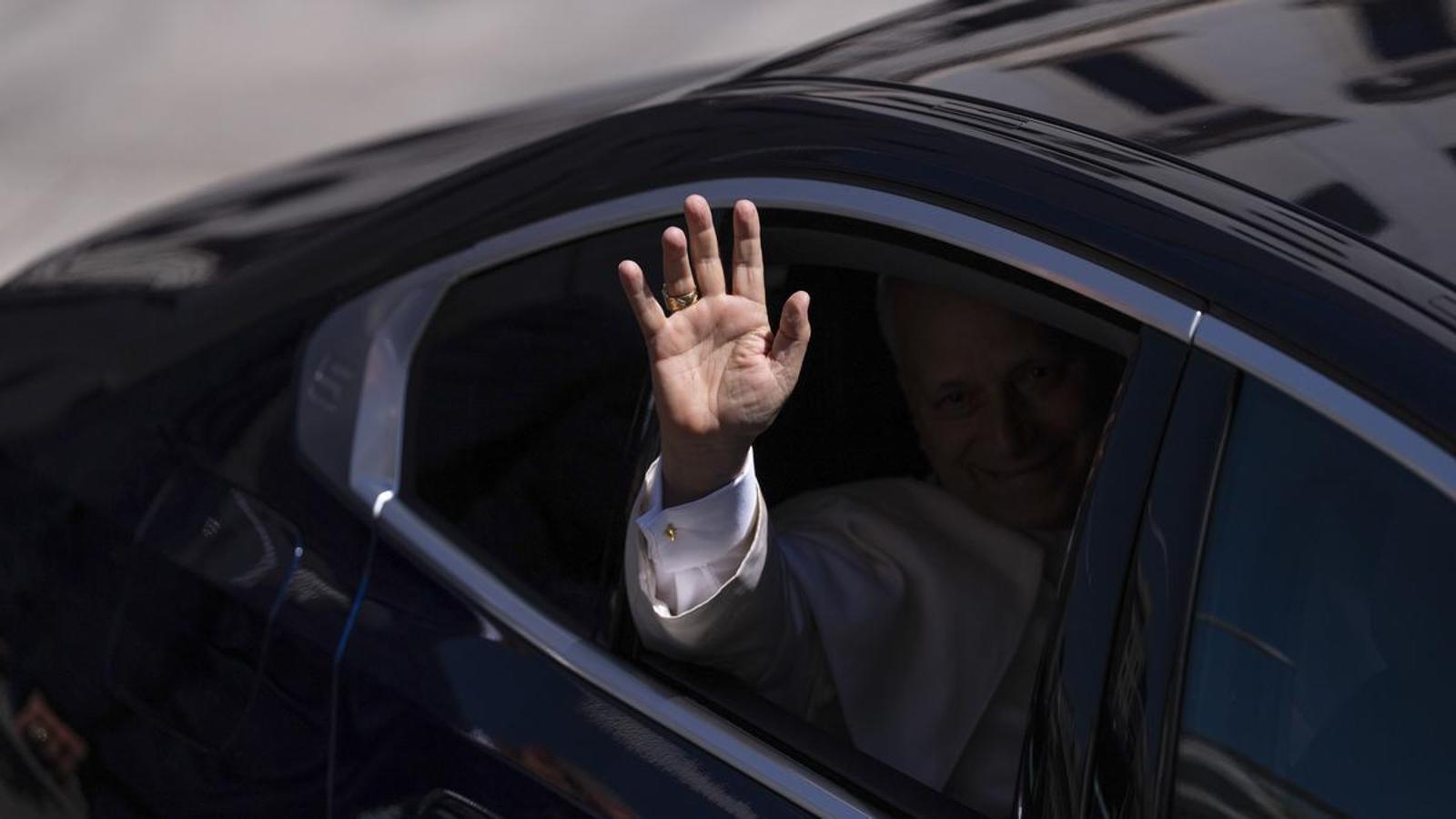

With his unusual address to the Congress of Deputies, Leo XIV, or Robert Prevost, personified one of those paradoxes that define our times: that a supposedly infallible religious leader, who even allows himself to speak out against rights as fragile and evidently noble as euthanasia or abortion, can at the same time be a better defender of democracy than many of the elected representatives who applauded him with the same cynicism with which they carry out their lamentable daily work. The current Pope of Rome said valuable words in Congress, he has said them at different times during his trip to the country called Madrid, and it is foreseeable that he will continue to say them during his stay in Barcelona. Furthermore, he has just published an encyclical in which he positions himself on an issue—abuses of power in the age of artificial intelligence—that will literally determine the future of the world: Leo XIV has not wanted to shirk the duty of speaking out on it, and he has done so with a speech that challenges the powerful far-right groups in the West. That in Spain, and in Catalonia, some solemn patriots call him a woke pope, or a sanchista pope or (these days we will hear it) a Spanish nationalist pope also indicates that he is not mistaken. In Madrid, Leo XIV received enthusiastic and uncritical mass adoration, because it is a city accustomed to living under the customs and ways of Spanish nationalism, and this predisposes favorably towards any pontiff, even if he is progressive. In Barcelona he will find more opposition, but not so much—unfortunately—as a result of the city's progressive tradition, but as a consequence of the patriotic and essentialist mess that pollutes the Catalan public debate and which, precisely, advances by leaps and bounds this far-right against which Prevost positions himself.

Both in Madrid and now in Barcelona, Leo XIV has literally pursued it, and rightly so, the abominable monster of pederasty within the Catholic Church. The Pope has referred to it as a "plague". In Old Testament terms, it is a good image to define it, but it is something more: it is years and years of covering up one of the worst possible crimes, committed by those who proclaim themselves representatives of God on Earth, shepherds of souls, minds, and bodies. There are few worse things that can happen to a person: to be violated as a child. And even worse: that the violator was someone against whom they could say nothing because they had an infinitely superior authority to the word of a child. They suffered, therefore, violation and then misunderstanding and rejection, an unbearable humiliation. The victims of violating priests, or abusers, deserve reparation and homage and, above all, they deserve to be heard. That two consecutive pontiffs, Francis and now Leo XIV, openly condemn pederasty is a fundamental first step, but it is a first step. The number of pederasts among religious is scandalously higher than among laypeople, and this is because for a long time they have organized themselves to be that way.

