Mercedes Milá's latest toy
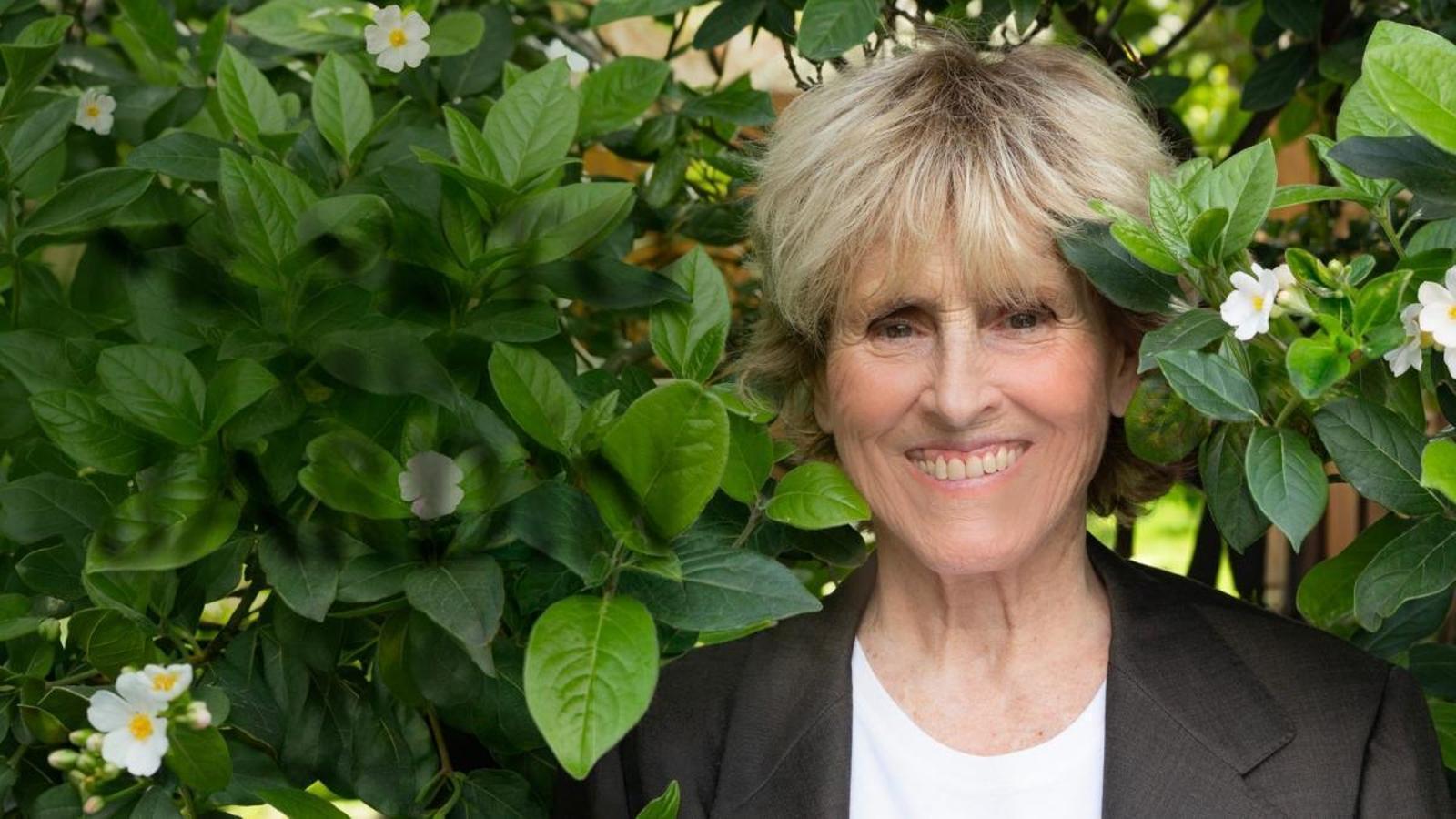

In 1974, journalist Mercedes Milá presented Polideportivo on TVE. Fifty-two years have passed since then, and she has now just premiered, on the same public television, Me meto en un jardín (La 2), an interview program that the channel has dubbed a road movie. Milá travels in a motorhome with her guests and takes them to famous gardens across Spain, seeking an environment that fosters a relaxed and intimate conversation. The series began with the writer David Uclés, and after visiting him in his hometown of Quesada, in Jaén, and meeting his family, they head to the Torre del Vinagre botanical garden, in the Sierra de Cazorla. The program will be more or less successful depending on the guest. And David Uclés was probably not the best choice to kick off the season. The lessons about the Civil War, almost as if he had lived through it, ended up causing a certain repetitive tedium.
The garden obsession is bland, but surprisingly profitable. It justifies a program title that creates expectations. Metaphorically, Milá has gotten into much worse situations, but it's true that she has a tendency for it. The motorhome route through famous gardens across the country allows her to have something to do with the interviewee. Sharing a vehicle is one of the most practical ways to foster trust and saves the cost of a studio and set. And the garden provides a bucolic and tranquil setting for conversation. It's a way to promote the region through public television. However, there is a slightly disturbing coherence problem. The program begins with Milá driving the motorhome, giving the appearance of a solo journey. But once the interviewee joins the trip, they both settle in, and the vehicle starts moving as if the motorhome had started on its own. And this detail adds artificiality to the format. It's just a gimmick. The idea of a road movie is lost, turning into a simple fleeting staging. Perhaps the driver shouldn't be made invisible. The program also fails to manage the sense of the passage of time and the idea of a journey. There is no narrative evolution. Me meto en un jardín also has that fatal inertia at the beginning, where the interviewee plays hard to get and surprises the presenter, who was distracted with something else.
Milá is the same as ever. The natural environment helps her to slow down, but she is the intense character we've seen all her life. She exudes the restlessness of someone who needs to be professionally occupied to be well, the motivation of aristocracy that doesn't want to be bored. It's as if doing television were therapeutic for her existence. She is seventy-five years old and a few days ago, in La revuelta, she confessed: “I am the oldest presenter on all the Spanish channels”. She's right and, moreover, she doesn't seem very willing to quit. When she talks, she has that burst of overconfidence and always exudes a touch of frivolity, but she knows how to make the interlocutor feel important. However, Milá has a handicap: her effusiveness creates a certain appearance of depth, but it often ends up leading the interview into very predictable areas.
