Between the invented VAT and the imaginary doctor
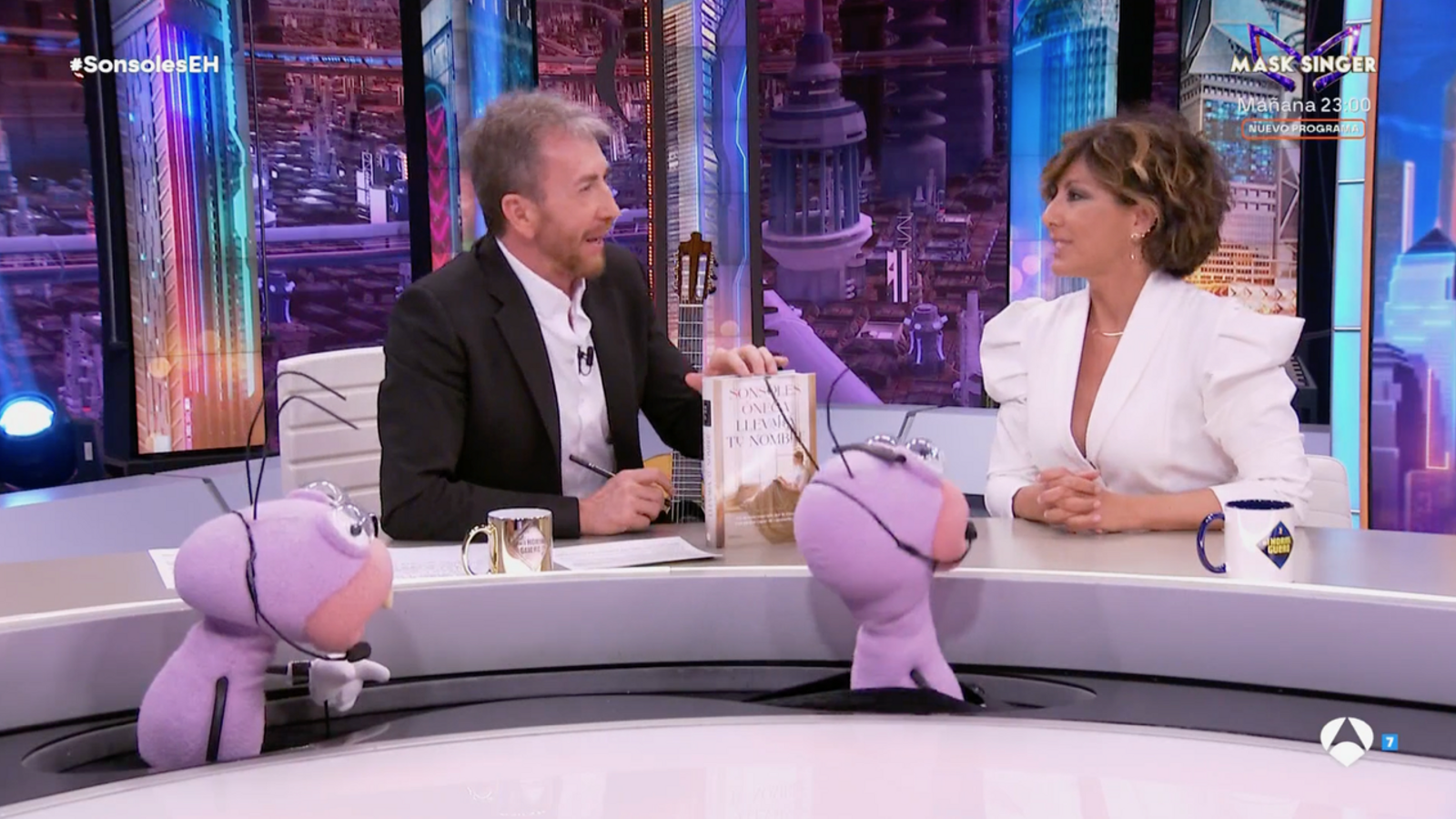

One of the most comical situations this week has been the meeting of two presenters who are the paradigm of manipulation and entanglement: Pablo Motos invited Sonsoles Ónega to present her new book on El hormiguero. During the conversation, Motos asked her about the VAT on books and she complained that it was 21%, considering that if it were lower she would sell more books and people would read more. Both presenters criticized that the VAT on books was the same as that on cigarette packs. “The VAT on books should not exist if you want a cultured country”, said Motos, and they hinted at the possibility of campaigning for the government to reduce it, pointing to Pedro Sánchez as responsible. “What happens is that the president of the government is in China, but well, he will get there eventually...”, said the ant tamer.Neither Motos nor Ónega knew that, in reality, the VAT on books is 4%, and the next day both had to correct themselves on their programs. Motos corrected himself hastily, blaming the guest: “Sonsoles Ónega proposed to the team that we talk about the VAT on books. We said yes and nobody checked the data”. That this slip-up with the VAT on books happened in the context of Atresmedia is very significant, considering that the group has Grupo Planeta as its main shareholder, one of the major players in the publishing industry. It must have caused internal tensions that, within the same business ecosystem, such a basic error about the sector has been spread. It highlights the lack of knowledge of the cultural industry within the same conglomerate. Ónega, affected, was undergoing therapy with psychologist Rafael Santandreu, taking advantage of having him as a guest: “I beat myself up. I’ve been anxious all day, Dr. Santandreu, for not having confirmed the data. I apologize. I did it without any intention of misinforming or manipulating”, she assured. And she asked the “doc” for advice on how to overcome the ordeal. Santandreu consoled her with the argument that he had sold more than a million books and also did not know the percentage of the tax. He reassured her with his usual fallacies: that to not worry, he only had to want to do so and that one mistake cannot overshadow all the good you can do. Using his simplistic explanations, he appealed to the “virus of terribilitis” as a mechanism to overstate concerns. Ónega thanked him for the good advice and moved on to more consultations for the “doc”.The chain of blunders is fascinating. They are wrong about the VAT on books in a company mostly owned by one of the major publishing groups. Ónega, to get over the upset, was having therapy, calling "doctor" a guest who is neither a doctor nor has a doctorate in anything. And the psychologist, instead of denying it, legitimized his authority by appealing to the sale of more than a million books. Luckily, the presenters called for "a more cultured country."
