School parties, between globalization and identity
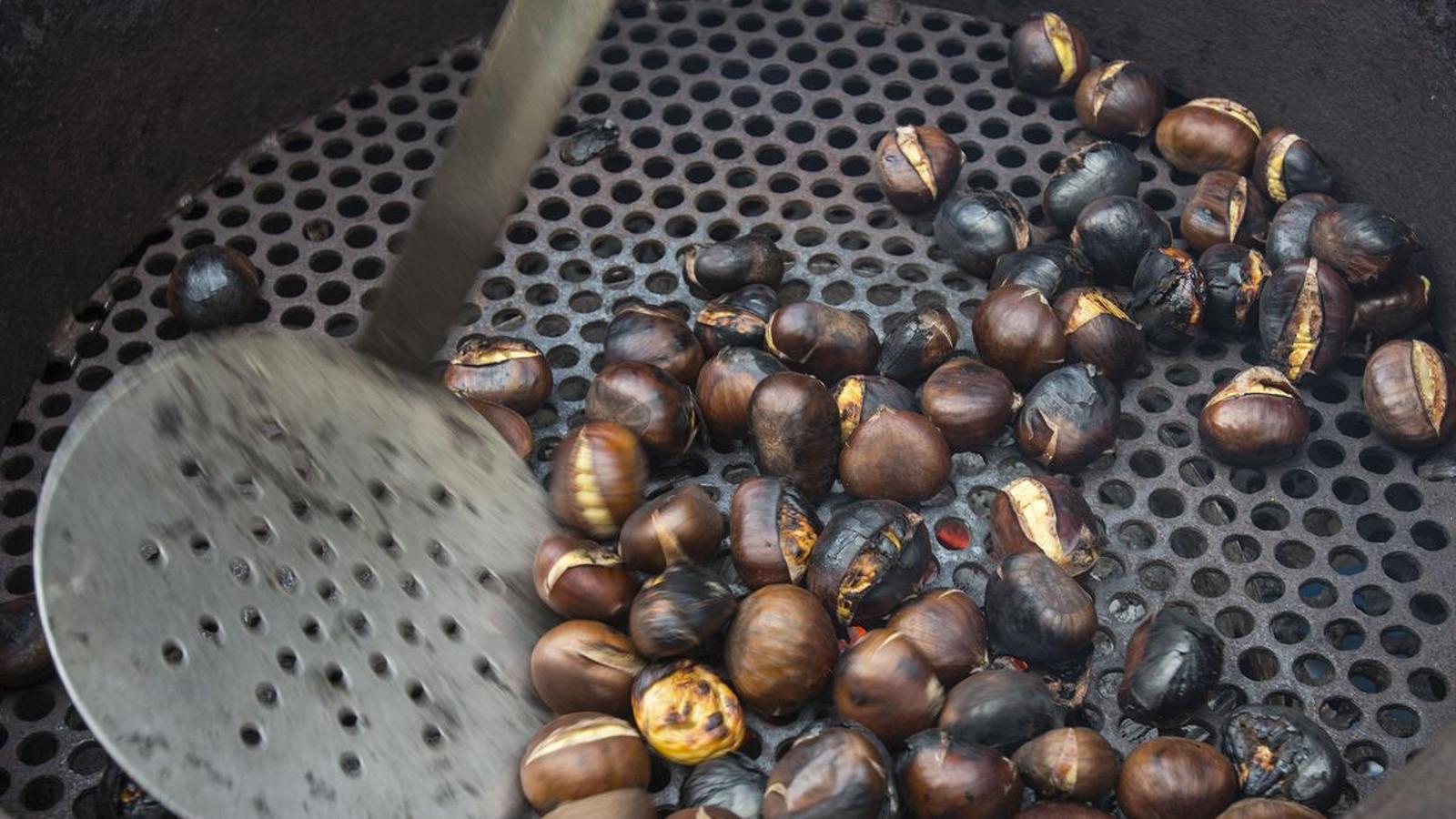

We are at the threshold of the first of the dates with which the school calendar is dotted with holidays that we call “traditional”. This festive calendar begins with the Castanyada, and in this first stage we are already faced with a first contradiction that we must resolve.
Around the day of the dead, two festivities with very different cultural roots have been incorporated into schools, which illustrate very well this contradiction between globalization and identity. The Castanyada is presented in schools as a traditional festival that contrasts with Halloween, which, in the name of a supposed cultural openness, has ended up being imposed on us by consumer society.
However noble our intention may be to present children with opportunities to learn about the roots of our collective identity, we must know how to do so without falling into the trap of generating new stereotypes or new icons or school festive liturgies that may end up perverting this very noble intention. This celebration has a very important potential to end up being a moment of participation, of contact between the school and the environment where it is located, be it a village or the neighborhood of a large city. With the limitations that each center may have, I think we must try to give shape to this potential, avoiding staying in the feeding of new stereotypes, such as that of the old chestnut seller, symbolic and endearing, to reclaim an authentically popular festival. In this way, and around a humble and local element such as the chestnut around the fire that roasts it, we give children a first festive sense to the celebration of the entry into the coldest months of the year.
But then we find ourselves with a party that has overtaken us on the right without warning. The orange, humanized pumpkin from a celebration of Celtic origin has ended up imposing itself on the imagination of our children as well, and schools are fully co-responsible for it. Consumer pressure has also contributed greatly to this, and now we find ourselves with bazaars and shops full of a new festive iconography also linked to the meeting between the living and the dead, which has generated a real business.
But what has the incorporation of this celebration brought to schools, beyond blurring our local identity? It is true that children have fallen head over heels into the trap of this new festive iconography, but we are the ones who pushed them! We wanted to do it well: taking advantage of the festivity by linking it with learning the English language and showing the school's open-minded character towards the knowledge of new cultures.
We must also be aware that, while with our right hand we embrace this celebration that comes to us from the north and from unbridled capitalism, with our left we ignore those that come to us from the south, which are native to many more families that we have in schools today and which we do indeed look upon with the distance and fear that they might blur our identity.
These days, in schools, we will be in a situation of authentic cultural schizophrenia, in which the little old lady with an apron and headscarf will coexist without any shame alongside the hollowed-out pumpkin. A war of symbols would seem absurd to me, but it is evident that in schools we have the duty to send messages and to try to build opportunities to experience these days as a moment to create community, to create town or to create neighborhood. This must be the essence of the festivities: to help children build their personality within a shared identity and to root them in a territory and a culture.
