The Kuomintang: the key piece of Taiwan's future (despite its closeness to Beijing)
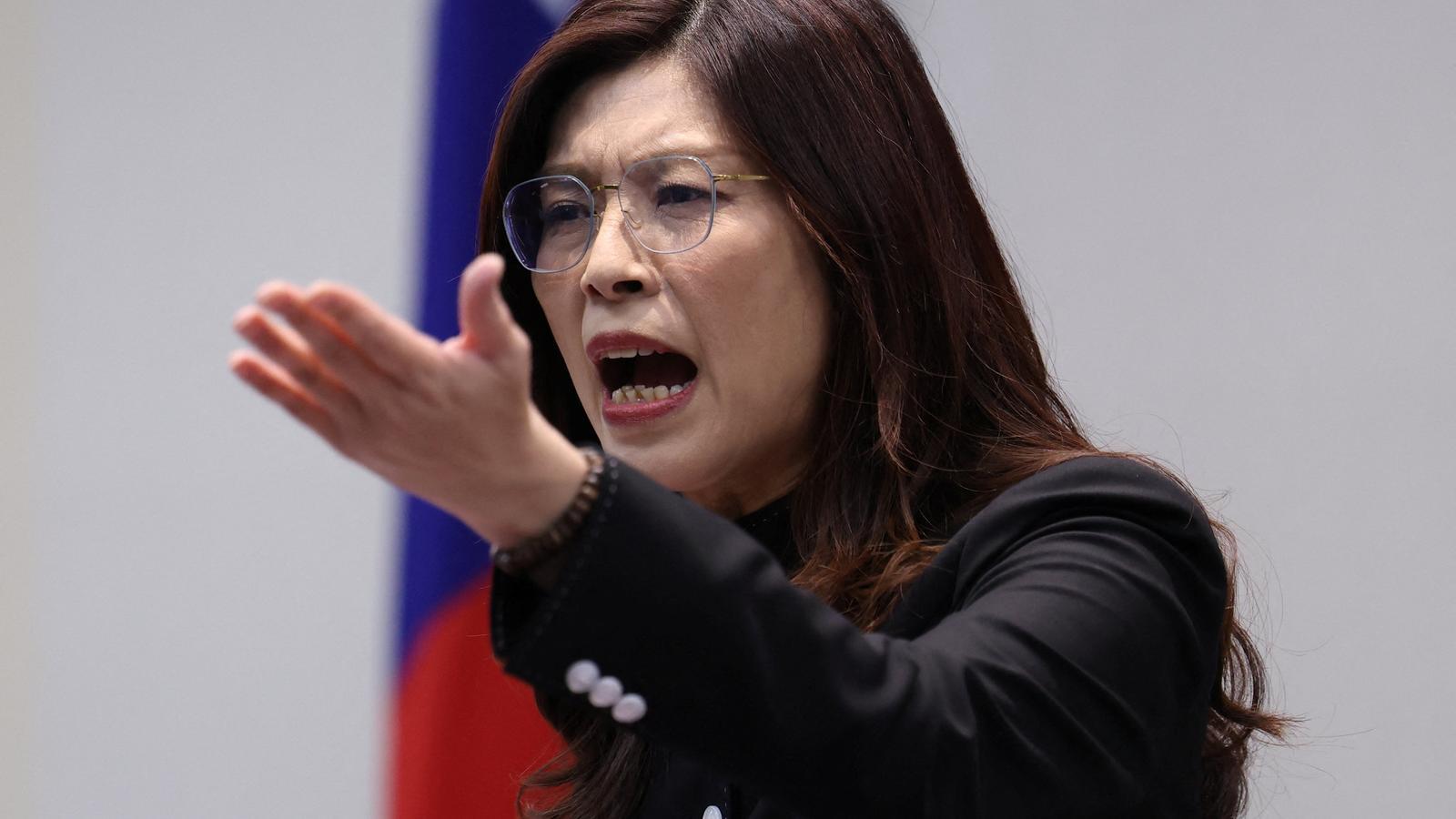

A few days ago, the chairperson of the Kuomintang (KMT), Cheng Li-wun, traveled to Beijing and met with Xi Jinping. It had been ten years since the leaders of the KMT – the Chinese nationalist party – and the Communist Party of China had met. The visit has not been without controversy. The PDP, the pro-independence party that now governs Taiwan, criticized Cheng's visit, almost describing her as an ally of Beijing in its attempt to take control of the island.Cheng's gamble is risky. The majority of Taiwan's population feels more Taiwanese than Chinese, including many KMT voters. Although there are some voters who would like to have more ties with China, almost none want to transition to a political regime like the one in Beijing. Many would like the situation to be similar to that of recent decades, that is, an ambiguous "statu quo" situation where Taiwan can continue to prosper economically and socially, without feasible threats of a political or military takeover by Beijing.But the international context does not help. China has more and more power and the United States – especially under Trump – seem increasingly less committed to the island's future. The PDP government considers that doubling down on the United States – also with Japan and Western countries – and reducing ties with Beijing is the best mechanism to protect Taiwan. The KMT, on the other hand, is more skeptical of Washington and believes that, precisely, re-establishing ties with the Communist Party is what can calm the waters and guarantee future peace.The figure of Cheng, moreover, generates division within the KMT itself. Although there is a minority sector of the party that still bets on reunification with mainland China, the majority seeks a pragmatic point between establishing cordial relations with Beijing and at the same time increasing the island's military capacity. Cheng's rhetoric is shocking for the level of openness and defense of Beijing's supposed good intentions. Many say that her discourse moves away from the mainstream of the island and this will make her fall soon. But in the current tense and turbulent international panorama, an aggressive change of tactics can sometimes bring unsuspected benefits.A key match
The KMT is, probably, one of the parties with the worst international image worldwide. In the West, it is now seen as the pro-Beijing party that makes it difficult for the island to arm itself strongly and align itself with the United States. In China, despite current cordial relations, it is historically presented as the corrupt, militaristic, and bourgeois party that the communists defeated – even though the KMT was the one that stopped the Japanese invasion during World War II. Among progressive voices, its authoritarian past under the figure of Chiang Kai-shek is remembered.But the KMT was also the one that made the institutional changes to transform Taiwan into a prosperous economy and a democratic country. It is a party that has undergone profound transformations in different directions over the years. It still represents a more conservative and pragmatic electorate that is by no means small on the island. It continues and will continue to play a key role in Taiwan's future.
