In Afghanistan no tragedy ever comes alone: after the war, the floods

-
CAT -
CAST
KabulI have never traveled outside of Afghanistan. I do not know how life is elsewhere, nor what happens in the so-called developed countries when there's a major storm or earthquake. I assume people there can receive help or perhaps are alerted when something like that happens. In Afghanistan, you can expect absolutely nothing. Sometimes I think Afghanistan is at the very end of the world, a place where death returns in a new form every season: war, bitter cold, flood, earthquake. Each disaster feels sharper than the last, and each one reminds us of our vulnerability.
In Kabul, we had just survived a harsh winter and, with the arrival of spring, hoped life would get a little easier. But this spring brought not renewal, but devastation. Over the past two weeks, rain has fallen almost nonstop over Kabul and twenty other provinces, heavy, relentless, accompanied by strong winds and even tremors.
At first, there was only the sound of rain hitting the roof. Then the drip of water began, slow at first, seeping through cracks and pooling on the ceiling. Drop by drop, the water fell into the rooms. We placed containers, spread cloths, tried to cover the leaks, but it was useless. The harder the rain fell, the more water found its way inside.
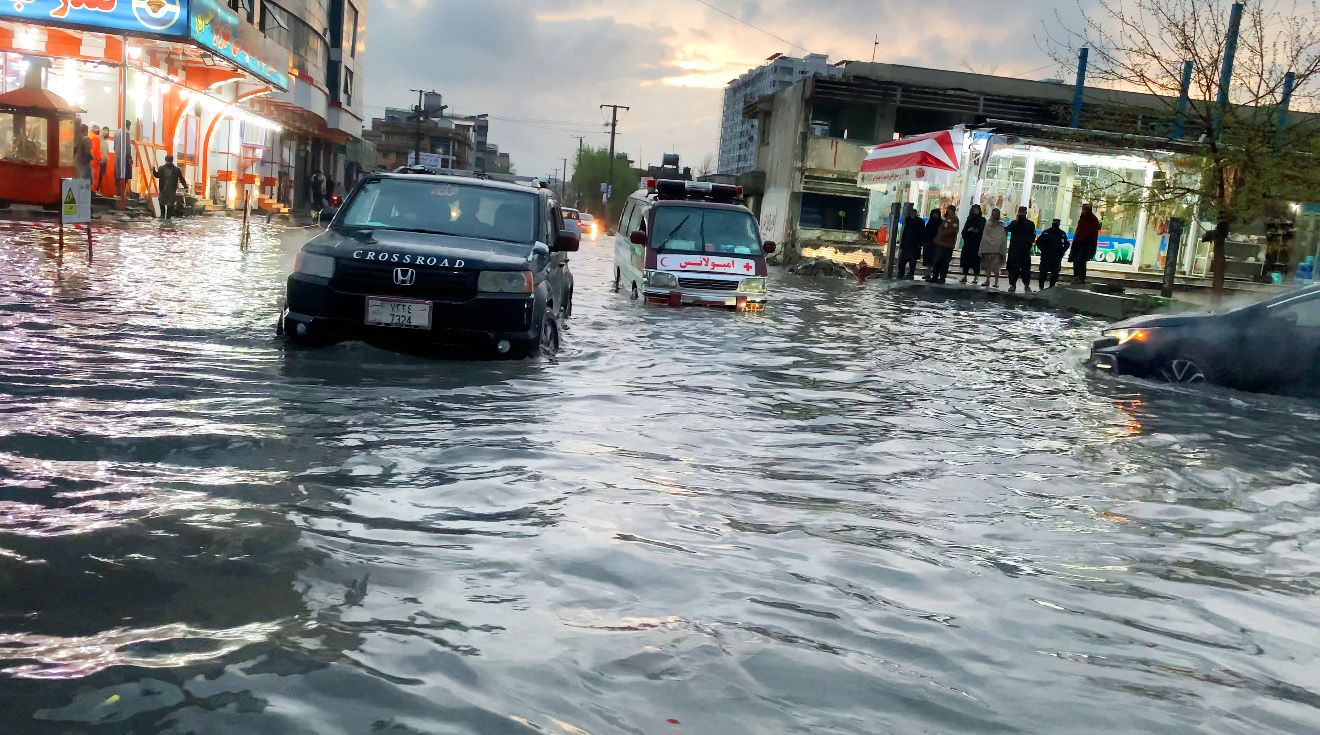
But what frightened me most was the water from outside. The streets quickly turned into rivers. Canals overflowed, and water, carrying garbage and mud, poured into the alleys and homes. That Friday, when the rain intensified, water even entered our courtyard. This water was more than just water. It stank. It carried plastic, mud, and filth. My family and I began to pull the water out, bucket by bucket, sweeping and salvaging whatever we could. Hours passed, we were exhausted, yet the water never seemed to stop.
The ground shook
Before we could catch our breath, the ground shook. The earthquake was so strong that everyone ran from their homes to save their lives, screaming, doors slamming open and shut in panic. I had been lying down to rest for a moment, trying to catch my breath, but when the ground trembled beneath me, I ran outside. My heart was pounding. My hands were shaking. The rain continued to fall, soaking me to the bone. The courtyard had filled with water again, and standing in the middle of it, I wondered why so many disasters had to strike at the same time.
After the earthquake subsided, we returned home. Everything was dark; the power was out, and the house was silent except for the constant drip of water from the ceiling. Sleep did not come easily. I lay awake, listening to the rain, listening to the memory of the tremors, afraid the earth might shake again at any moment.
Twelve people died in the earthquake, including a family of nine who had recently fled the war in Iran. Only one child survived. The Taliban reported that over the last two weeks floods across the country claimed at least 148 lives, injured 216 more, and destroyed more than six thousand homes in the north, south, east, and west of Afghanistan.

Our home is no longer the same. I live in one of the old Soviet apartment blocks built in the capital almost seventy years ago. It's a two-story structure that was once strong. Now, the roof leaks and the walls are damp. Water coming in from outside and dripping from the ceiling slowly eat away at the house.
Kabul also seems like another city. Streets are submerged, and crossing from one side to another is nearly impossible. People pay to be carried across the water on hand-pulled carts. But for me, as a woman, even this option was not available. Taxi fares had skyrocketed, glances weighed heavier, and crossing on a cart could be considered “shameful.” Meanwhile, the Taliban scrutinize every movement, asking why women dares to leave their home.
This is not just a natural disaster. It is the result of years of neglect: Kabul is a city that, after the fall of the first Taliban regime in 2001, was rebuilt without any planning. Nor have the sewage systems been adapted to the progressive increase in population: more than five million people already live in the capital. Both the previous government and the current Taliban government have always turned a blind eye, pretending to improve conditions. But when you are in the heart of the disaster, standing in ankle-deep, you realize that truly, no one is doing anything. The people are left to face the storm alone.
