Spain, one of the seven OECD countries where taxation rose more than salaries in 2025
Salaries grew by 1.2% on average per Spaniard, but income tax increased by 1.5%
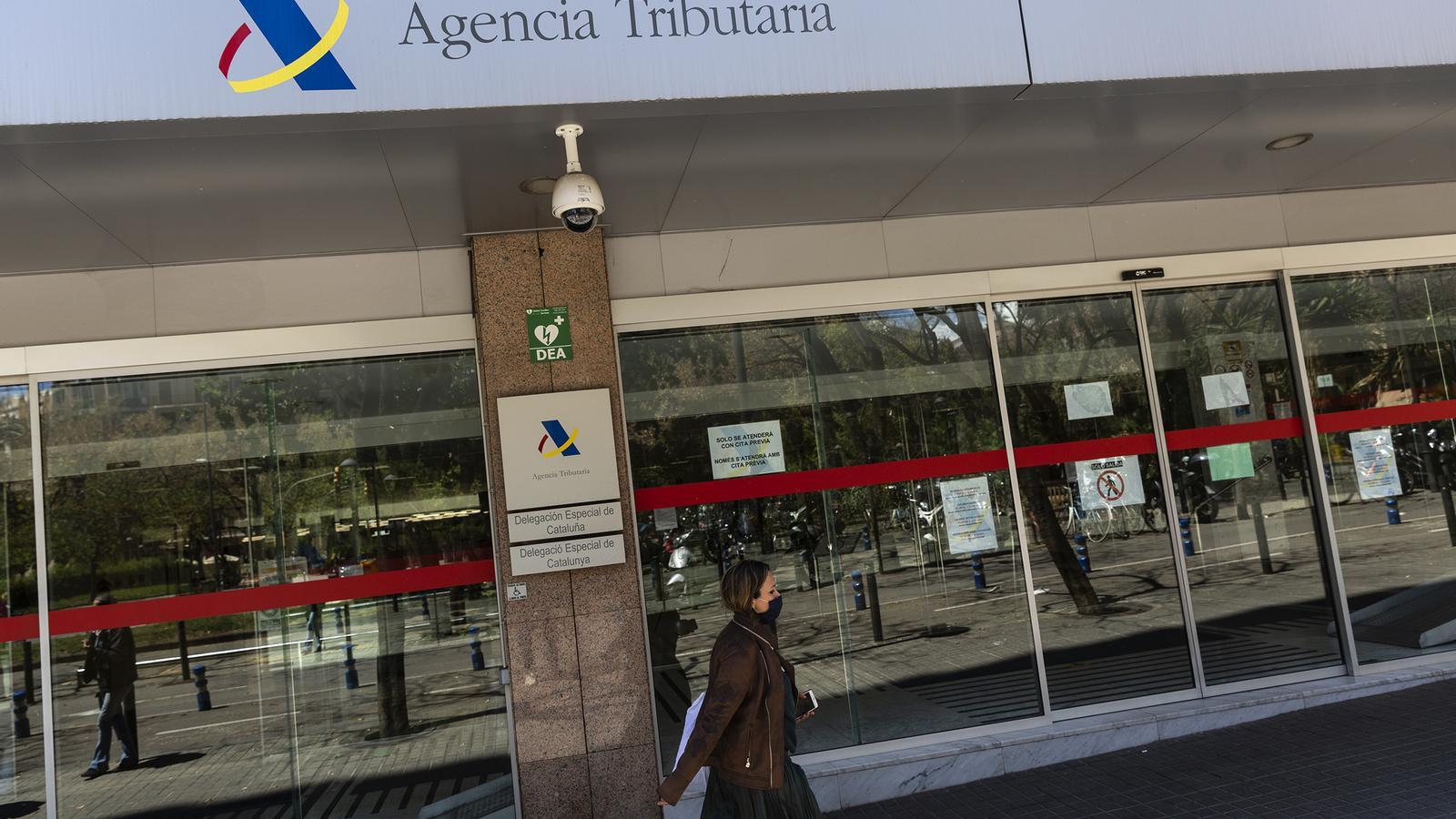
-
CAT -
CAST
BarcelonaSpain was one of the seven countries of the Organisation for Economic Co-operation and Development (OECD, the think tank of the world's most developed economies) where last year the rise in taxes on wages far outstripped the increase in salaries, resulting in a loss of real income. The calculation, however, does not take into account the value of the public services citizens receive, which are funded by taxes.
In real terms (discounting inflation), wages in Spain rose by 1.2%, but the average tax rate for individuals increased by 1.5%, explains the OECD, so that after-tax purchasing power fell by 0.3%. In its annual report on the so-called tax wedge (the percentage of salary that income tax and social security contributions represent), published this Wednesday, the organisation points out that this same trend of a greater increase in taxation also occurred last year in Austria, Estonia, Germany, South Korea, Mexico, and the United Kingdom.
The biggest losses in after-tax purchasing power, calculated using average wage levels in each country as a benchmark, were observed in Estonia (11.5%), the United Kingdom (2.7%), and Mexico (2.4%), in all three cases due to tax increases higher than in Spain. There were also three other countries (Canada, Israel, and Japan) where income in real terms fell or stagnated, but because wages decreased when inflation was discounted.

However, in 28 of the institution's member states, real incomes progressed because salaries increased, and when taxes also did, it was to a lesser extent.
The indirect benefits of taxes
The study's authors have not wanted to calculate this loss or gain in purchasing power after taxes because, according to him, this indicator "only gives a partial view of the global disposable income of workers". The reason is that it does not take into account the benefits that can be obtained from other measures by public authorities that have consequences on this purchasing power, such as, for example, reducing the cost of basic goods, healthcare, or education.
The tax wedge, that is, the sum of income tax and employee and employer contributions, rose last year in 24 OECD countries, while it decreased in 11 and remained unchanged in the remaining three.
It represented an average of 35.1% of salary, 0.15 percentage points more than in 2024, while in Spain it was 41.4% of the salary, with an increase that was double that of the organization as a whole, specifically 0.31 points, mainly due to the increase in income tax (0.25 additional points).
Spain was, for a single worker without children (which is the main reference in comparative studies), the tenth country with the largest tax burden on salaries, far from those at the top of the list: Belgium with 52.5%, Germany with 49.3%, France with 47.2%, Austria with 47.1%, and Italy with 45.8%.
