'The Fortress': brilliant chronicle of helplessness
Lucía Carballal's work confronts Calderón de la Barca with three superb actresses
-
CAT -
CAST
- Performers: Mamen Camacho, Natalia Huarte, Eva RufoTeatre Lliure. Grec Festival. July 9, 2026
It is easy to imagine the surprise of the playwright and director Lucía Carballal (Les Bàrbares, Los nuestros) when the National Classical Theatre Company (CNTC) commissioned her to write a text that would dialogue with the little-known work of Calderón de la Barca El Castillo de Lindabridis. It is a fantastic comedy in which a princess travels with a flying castle in search of a husband who will make her queen after her father's death. We must celebrate Carballal's talent and skill in this powerful and brilliant exercise of autofiction that speaks of helplessness and of inheritance, both emotional and physical, both material and immaterial.
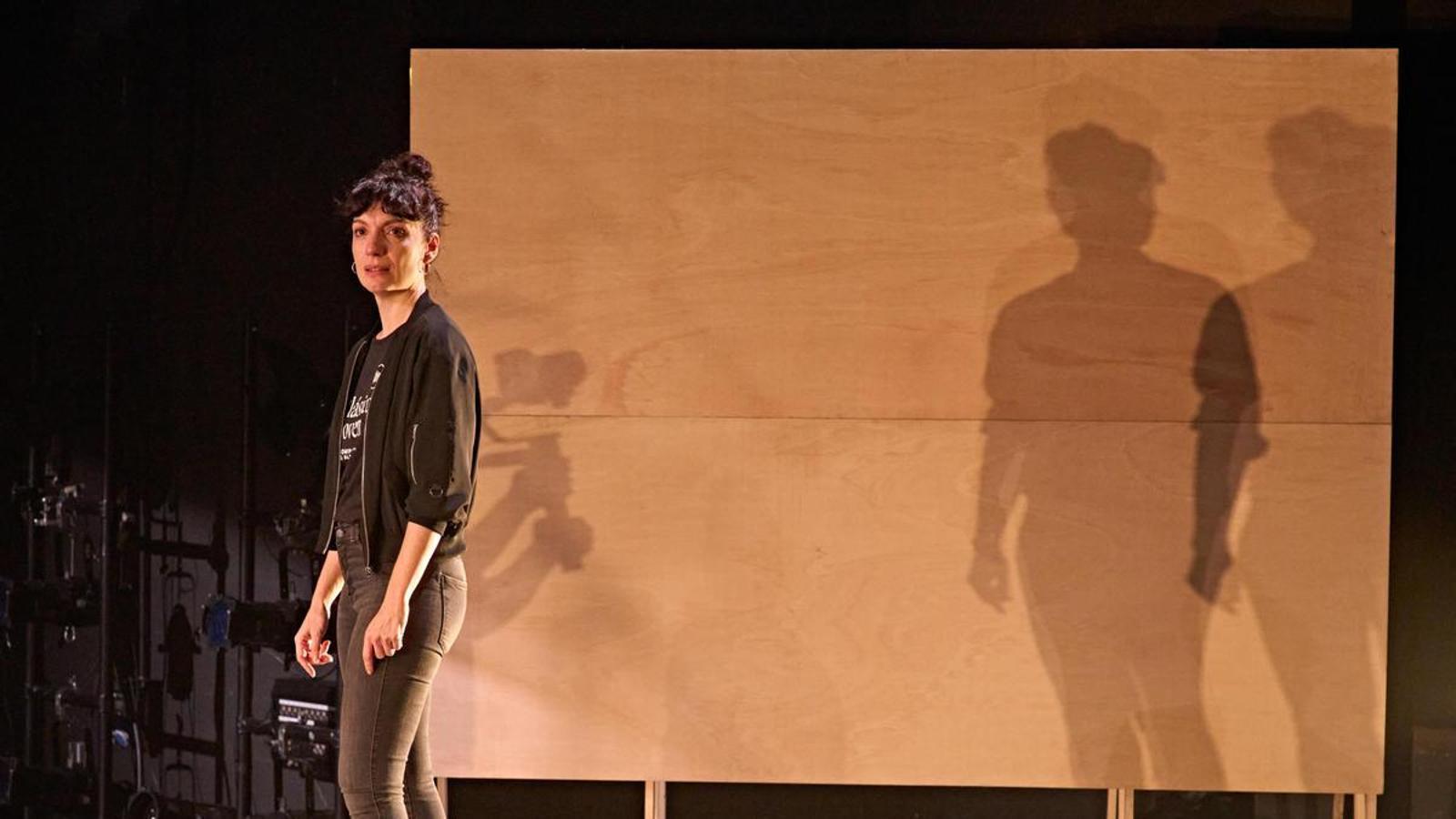
La fortaleza of the title is both Calderón's flying castle and the emotional and professional refuge that Carballal's father created in Murcia after his divorce, with the consequent estrangement from his children and their mother, who lived in Madrid. The author explains this with three consecutive monologues by three magnificent actresses who were part of the CNTC. The first introduces the princess's story, the author's personal account, and some humorous winks about the demands of verse diction in Golden Age comedies, and is in the hands of a superb Eva Rufo. The second delves into the father's story and his passion for architecture, without omitting the actress's story and her journey from an Andalusian accent to Castilian diction, with an equally impressive Mamen Camacho. And in the third, with an equally superb Natalia Huarte, already in courtly attire, the verse of the original emerges and the gestures change to remain in the final reflection on the relationship with the father, which is none other than forgiveness. What a joy to see and hear them! What good direction! How well the story is integrated into a conceptual and material scenic space (Pablo Chaves Maza) and with a careful sound space of echoes.
