The Italian brothers who turned trading cards into a world empire
Panini invoices €1.600M per year, sells in 150 countries and employs 1,200 people
-
CAT -
CAST
Some boys leave the newsstand with a few envelopes in their hands. They sit on a bench, tear them open carefully, and take out a handful of new trading cards. In front of them is the album, still full of empty spaces to complete. For more than half a century, scenes like this have been repeated in schoolyards, dining rooms, and squares all over the world. Behind it all is Panini, the Italian company that managed to turn simple pieces of adhesive paper into a great machine of desire, nostalgia, and consumption. Today, sixty-five years after its founding in Modena in 1961, the company continues to be a giant in the world of collecting: it invoices around 1.6 billion euros every year, sells its products in 150 countries, and employs 1,200 people.
In Catalonia, Panini's trading cards come from the logistics center that the multinational has in Celrà, in the Gironès region. In 2025, the Iberian subsidiary moved 93 million euros, 24% more than the previous year. This 2026, they expect the Football World Cup to fill their coffers even more, along with the booming business of comics that they also market. However, the main source of income is the League trading cards, which Panini has been selling for decades.
To understand who created this empire, one must travel to Modena in the early sixties of the last century. There, Giuseppe and Benito Panini, who worked in the family newspaper distribution business, spotted an unexpected opportunity: a company in Milan had a backlog of football trading cards that it had not managed to sell. The brothers bought the entire stock, repackaged it into small envelopes, and distributed it to newsstands. The move was a resounding success. Seeing that this market had great potential, they founded Panini in 1961. Shortly after, the other two brothers, Franco and Umberto, also joined.
The recipe: feeding desire
The beginnings were dazzling. If in 1961 Panini already sold millions of stickers, the following year the figure soared even higher. The formula was simple but irresistible: small doses of chance, football, and the desire to complete a collection. In an Italy that was beginning to modernize at great speed and where football was already a genuine popular passion, the stickers quickly found their natural audience: children, newsstands, and schoolyards.
Very soon, the company became famous for its collections. It wasn't just about sticking stickers in an album, but also about exchanging duplicate stickers, negotiating for the most difficult ones, and getting the most sought-after players. Some of the stickers, in fact, have ended up having great value among collectors. Panini had understood before many others that the business was not just selling adhesive papers, but also feeding the desire to complete what is always left unfinished.
The expansion of Panini
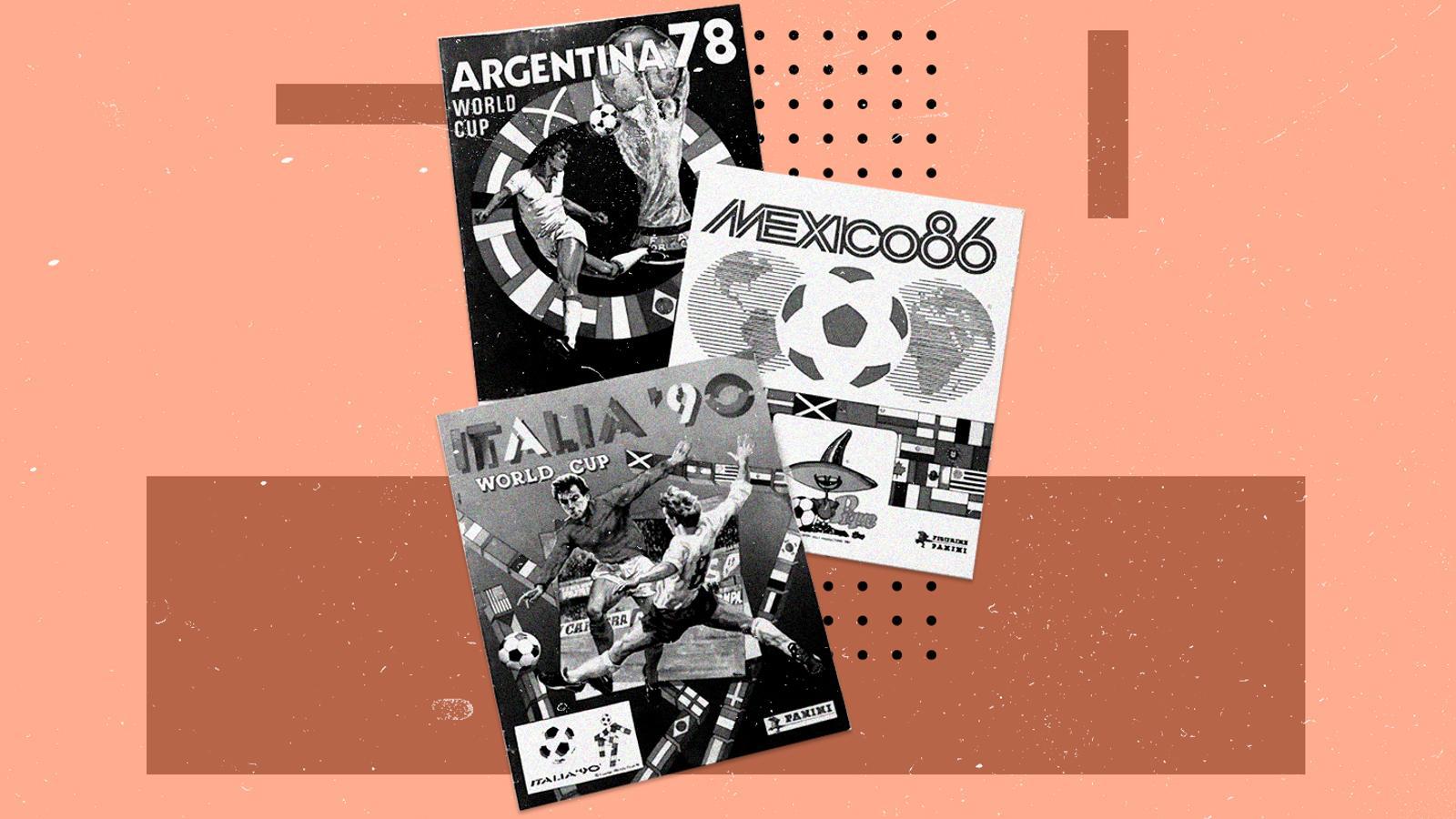
The great turning point arrived in 1970. That year, Panini launched its first World Cup football album, coinciding with the event in Mexico, and began selling stickers outside of Italy with texts in various languages. The move was decisive: the brand ceased to be just an Italian success to become an international phenomenon.
From that moment on, Panini began to grow as a true multinational. First, it consolidated the football business, but it soon extended it to other areas: comics, magazines, cards, and all kinds of licenses. It also introduced innovations, such as self-adhesive stickers, which further simplified the collecting ritual.
The growth was so intense that Panini soon ceased to be a simple Italian family business to become a company desired by major international groups. In 1988, the Panini brothers sold the company to British magnate Robert Maxwell, in a deal that symbolized the extent to which that business born in the newsstands of Modena had already become a global industry. After the difficulties the group went through under Maxwell's umbrella, Panini changed hands again in 1992 and remained in Italian orbit with the entry of De Agostini and Bain Gallo Cuneo. Two years later, in 1994, Marvel Entertainment agreed to buy Panini for 150 million dollars. Over time, the firm reorganized its shareholding and today continues as an independent group controlled by the Baroni and Sallustro families.
- 1960 Giuseppe and Benito Panini buy the stock of a football sticker collection that a Milanese company had failed to sell and redistribute it to newsstands.
- 1961 Panini is born in Modena, founded by Giuseppe and Benito Panini.
- 1963 Franco and Umberto Panini join the company.
- 1970 Panini publishes its first World Cup football album, for the Mexico tournament, and makes the international leap. The company introduces self-adhesive stickers.
- 1988 The Panini brothers sell the company to British magnate Robert Maxwell.
- 1992 After the crisis of the Maxwell group, Panini changes hands again and remains in Italian orbit with the entry of De Agostini and Bain Gallo Cuneo.
- 1994 Marvel Entertainment agrees to buy Panini for 150 million dollars, but it will eventually return to Italian hands.
- 2025 Panini's Iberian subsidiary moves 93 million euros, 24% more than the previous year. Globally, Panini continues to sell in 150 countries, has an annual turnover of approximately 1.6 billion euros and employs 1,200 people.
