The least friendly side of professional sport: "I am at the point of deciding whether I quit or not"
The clear example of women's futsal: salaries of less than 500 euros in the top category
-
CAT -
CAST
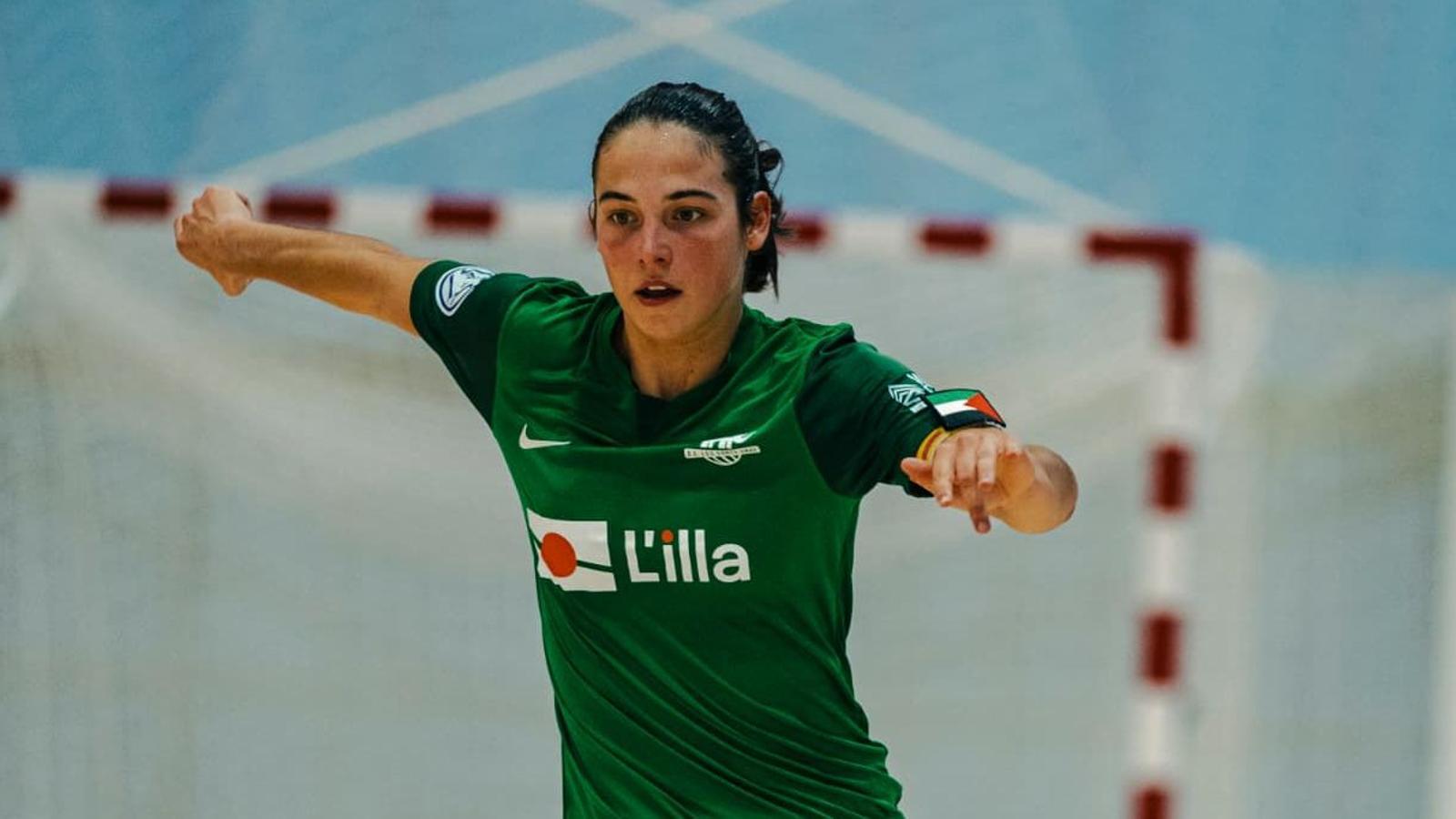
BarcelonaAs happens in many disciplines, playing in the top category of your sport does not always allow you to live exclusively from it. In futsal, this is especially the case in the women's category. For many players, competing at the highest level involves balancing training sessions and matches with another job or studies. Laia Rojo, a player for AE Les Corts-UBAE, the only Catalan team currently competing in the top national category, is an example of this: she has to study biomedicine to think about her future. “We cannot do anything,” she states.
On her team, no teammate can dedicate herself exclusively to futsal. This reality is also reflected in a recent study conducted by the Association of Women's Futsal Players (AJFSF) and published last September, which states that 31.8% of Spanish First Division players earn less than 500 euros per month.

“We are talking about the elite and players who have managed to participate in European championships with impeccable careers,” states María José López, a lawyer specializing in sports law. Even so, the conditions are not the same for all players, not even within the same team. “You can find some who earn a salary and others who do not. Just as there are some who contribute to social security and others who do not,” she adds. This can hinder access to labor rights such as medical leave, unemployment benefits, or contributing towards a future pension.
The impact on the practice of sport
The players' working conditions also affect their sports preparation. "We have very low salaries and, many times, we have to allocate a good part of our income to external services that allow us to compete at the level required by the league," explains Rojo, such as nutritionists, physical trainers, or gym services. However, the player highlights that, in the medical field, the situation with her club this last year has improved thanks to an agreement with a rehabilitation clinic.
"Many times our demands are misinterpreted as requirements, when in reality they are proposals that have the goal of improving futsal to make it more competitive," points out the athlete. "We want conditions to be improved so we can give more of ourselves, but we feel it is very hard to be heard if there isn't a great struggle behind it. These efforts also wear us down." Precisely, the study states that 70% of the players have at some point considered quitting futsal. Among the causes that may lead them to leave it, the main one is physical and mental exhaustion, with 70.3% of cases, well above economic factors, which represent 11.7%.

Mental health, a pending subject
Access to psychological care is another issue that female footballers bring to the table through the report. “I would say that, in general, we access it less than we would like,” laments Rojo. “We are given neither the service nor the resources, and if you want to access it, you have to pay for it yourself.” In fact, the player states she went to a psychologist who helped her, but she also warns that the economic cost is difficult to bear with the salaries they earn. This context makes it difficult for athletes to receive the support they need to face the demands of competition.
For her part, López points out that mental health is included in companies' occupational risk prevention plans and that, therefore, it is an obligation that clubs and federations have towards their workers. However, the lawyer believes that they treat the teams “as amateurs and as groups of friends” and that much of the unease felt by the players is caused by the stress situation to which they are exposed. “There is a lack of legal security, the pay is minimal, and many times they don't even know when they will play,” she notes.
In this sense, Rojo is an example of how this reality can end up conditioning the future of female footballers. “I am at the point of deciding whether to quit or not,” she recounts. Although she is passionate about futsal and wants to keep practicing it whenever she can, she is also clear about other things: “I have realized that my priority right now is the professional field and the career I have chosen, because you cannot make a living from futsal.” Consequently, she has decided that this year she will only play half a season with Les Corts-UBAE and that she will go abroad to do her biomedicine internship. “Surely, I would not have made this decision a few years ago, but seeing that I cannot play as a professional, I will go abroad.” For this reason, the AJFSF is calling for a collective agreement or an agreement on minimum conditions that guarantees more dignified working conditions for players in the First Division.

