The 'therian' and the embryo of the riots

-
CAT -
CAST
BarcelonaPerhaps you remember the therians. For a few days, last February, these teenagers who supposedly identified as animals and acted as such, monopolized the conversation. Many articles and hours of radio and television were dedicated to analyzing this phenomenon, which until then no one had ever heard of. Today we know that more than young people who thought they were kittens, the therians were laboratory mice. Let me explain.
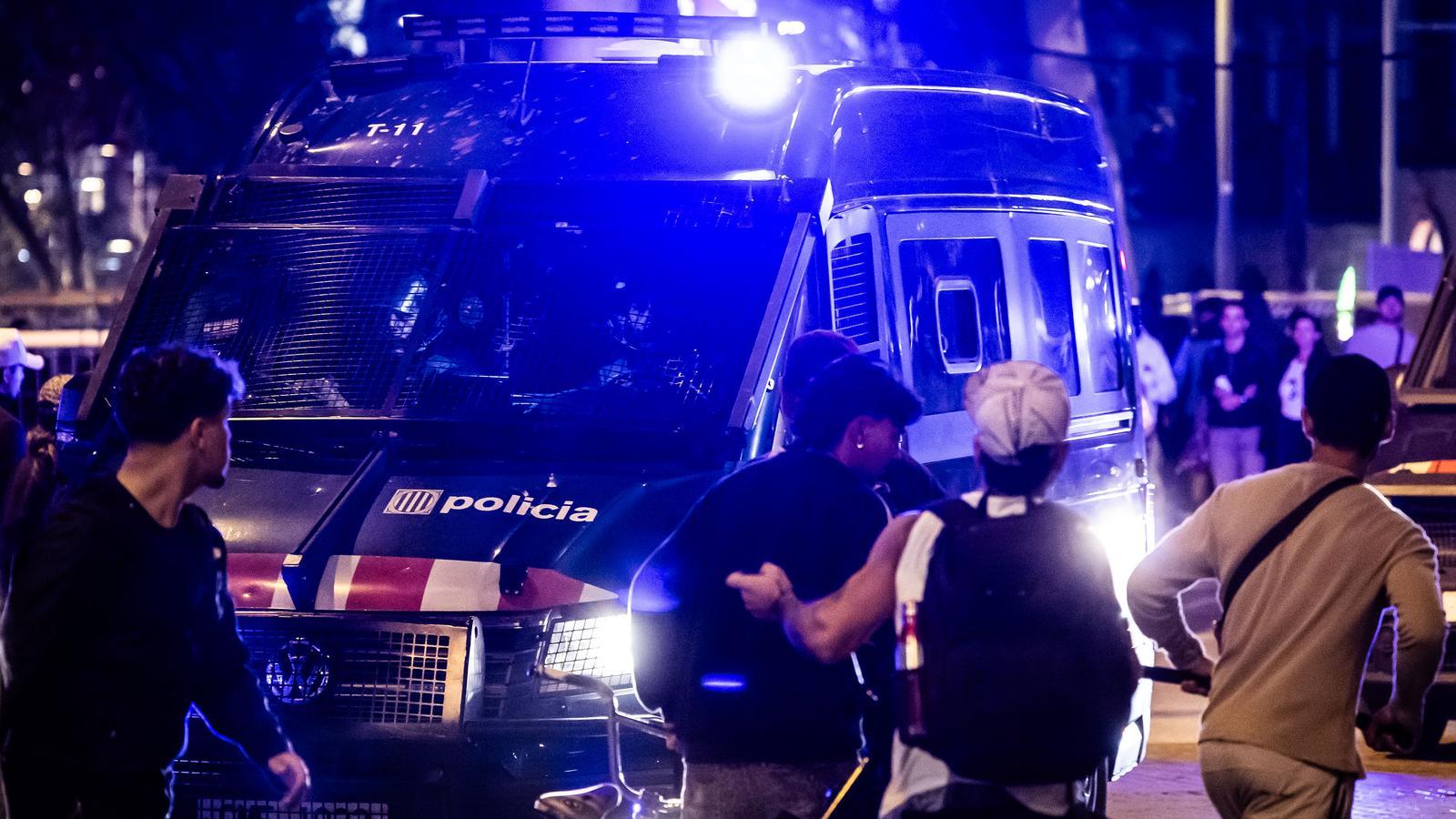
That Saturday in February, thousands of young people overflowed the Passeig Lluís Companys in Barcelona. They were looking for therians they hadn't heard of until three days earlier, but which the algorithm had conveniently delivered to their phones. Similar gatherings took place in most of the state's capitals. The call seemed to come out of nowhere, but it had reached everyone.
The experiment corroborated the mobilization capacity of the networks, which in little more than a week had been able to bring thousands of kids to the same place at a specific time. Back then, the meeting also ended with riots —minor in comparison to those experienced this Saturday in the center of the Catalan capital— and five arrests. And it left some questions in the air. The main one remains unanswered. Who was behind those calls?
This time, this question is key again. Young people have plenty of reasons to protest, and the lack of expectations and the sense of rootlessness cannot be ignored. But unlike what has happened in Paris, here the spark behind the riots has not been unrest. For this reason, beyond the condemnations and punitive discourses against the perpetrators of the looting, it is important to know who exactly summoned them and why.

