The new funding ranking: where would Catalonia stand?
Catalonia and the Valencian Community would rise the most, while Extremadura would lose the most positions.


-
CAT -
CAST
Barcelona"The new model will adhere to the principle of ordinality in the case of Catalonia." This phrase has been heard for days from the main political figures involved in the negotiations on regional financing. It has been uttered by the Minister of Finance, María Jesús Montero, as well as the President of the Generalitat, Salvador Illa; the Minister of Economy, Alícia Romero; and the leader of ERC, Oriol Junqueras. Until now, however, there has been no publicly available data to corroborate it. ARA has obtained access to the projections of the new model, prepared jointly by all parties, which Montero used to present the proposal two weeks ago. The results confirm the ordinality in the case of Catalonia and point to the regions that would gain the most ground with the change: the Valencian Community, Catalonia, Madrid, and the Balearic Islands.
RECURSOS SOBRE POBLACIÓ
AJUSTADA DEL NOU MODEL
CAPACITAT TRIBUTÀRIA
Madrid
Cantàbria
156,41
108,74
Illes Balears
Madrid
2
127,72
104,31
Catalunya
Catalunya
3
121,32
104,15
Aragó
Illes Balears
4
94,59
103,79
Cantàbria
Aragó
5
94,42
99,32
País Valencià
la Rioja
6
93,52
98,90
Astúries
País Valencià
7
89,11
98,71
la Rioja
Astúries
8
87,09
97,94
Castella i Lleó
Castella i Lleó
9
86,05
97,72
Galícia
Andalusia
10
81,96
97,52
Andalusia
Extremadura
11
80,19
97,51
Múrcia
Galícia
12
76,66
97,41
Castella-la Manxa
Múrcia
13
73,19
97,26
Extremadura
Castella-la Manxa
14
63,91
96,75
Illes Canàries*
Illes Canàries
15
46,65
94,76
*Règim fiscal especial
RECURSOS SOBRE POBLACIÓ
AJUSTADA DEL NOU MODEL
CAPACITAT TRIBUTÀRIA
Madrid
Cantàbria
156,41
108,74
Illes Balears
Madrid
2
127,72
104,31
Catalunya
Catalunya
3
121,32
104,15
Aragó
Illes Balears
4
94,59
103,79
Cantàbria
Aragó
5
94,42
99,32
País Valencià
la Rioja
6
93,52
98,90
Astúries
País Valencià
7
89,11
98,71
la Rioja
Astúries
8
87,09
97,94
Castella i Lleó
Castella i Lleó
9
86,05
97,72
Galícia
Andalusia
10
81,96
97,52
Andalusia
Extremadura
11
80,19
97,51
Múrcia
Galícia
12
76,66
97,41
Castella-la M.
Múrcia
13
73,19
97,26
Extremadura
Castella-la M.
14
63,91
96,75
Illes Canàries*
Illes Canàries
15
46,65
94,76
*Règim fiscal especial
RECURSOS SOBRE POBLACIÓ
AJUSTADA DEL NOU MODEL
CAPACITAT TRIBUTÀRIA
Madrid
Cantàbria
156,41
108,74
Illes Balears
Madrid
2
127,72
104,31
Catalunya
Catalunya
3
121,32
104,15
Aragó
Illes Balears
4
94,59
103,79
Cantàbria
Aragó
5
94,42
99,32
País Valencià
la Rioja
6
93,52
98,90
Astúries
País Valencià
7
89,11
98,71
la Rioja
Astúries
8
87,09
97,94
Castella i Lleó
Castella i Lleó
9
86,05
97,72
Galícia
Andalusia
10
81,96
97,52
Andalusia
Extremadura
11
80,19
97,51
Múrcia
Galícia
12
76,66
97,41
Castella-la M.
Múrcia
13
73,19
97,26
Extremadura
Castella-la M.
14
63,91
96,75
Illes Canàries*
Illes Canàries
15
46,65
94,76
*Règim fiscal especial
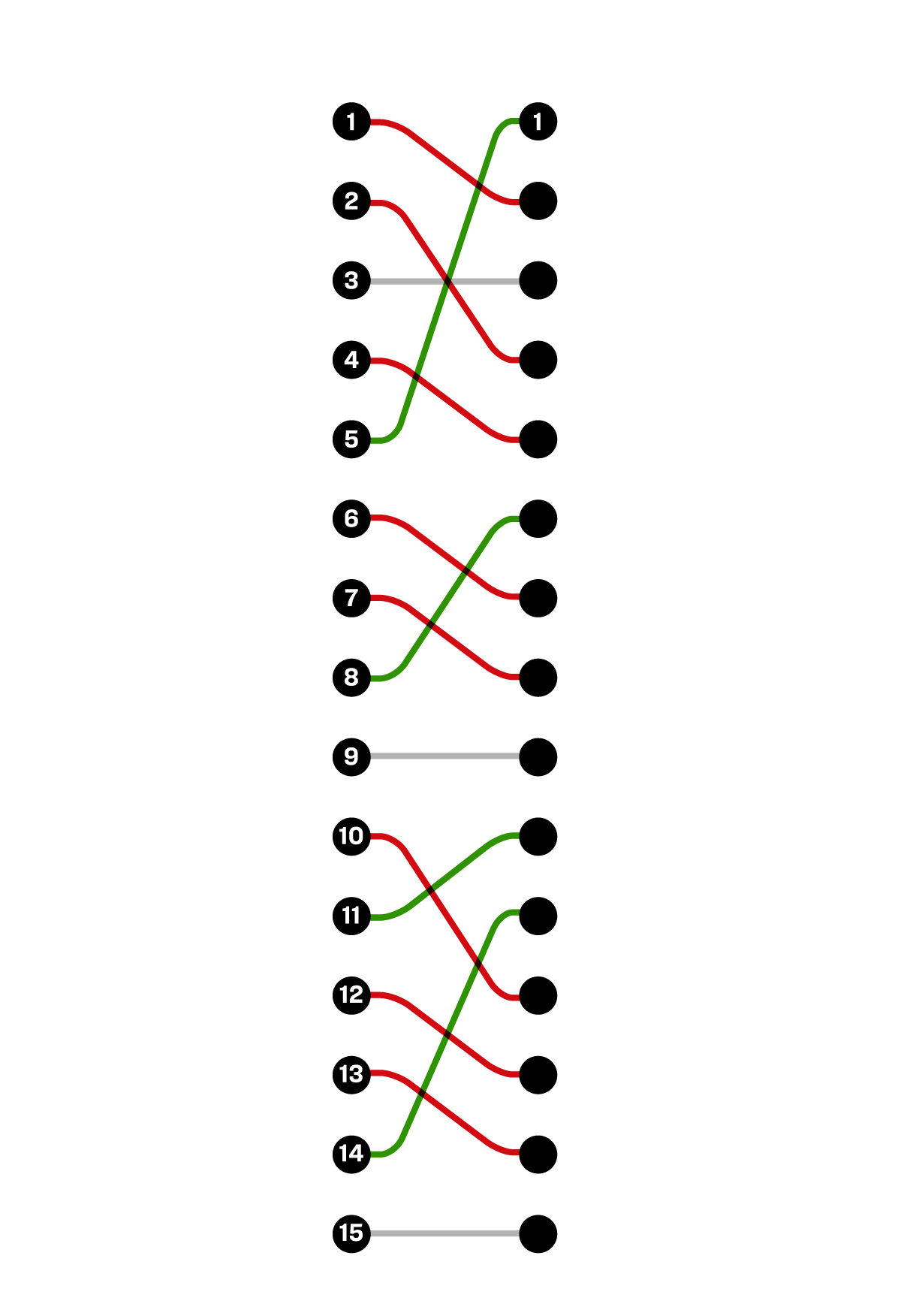
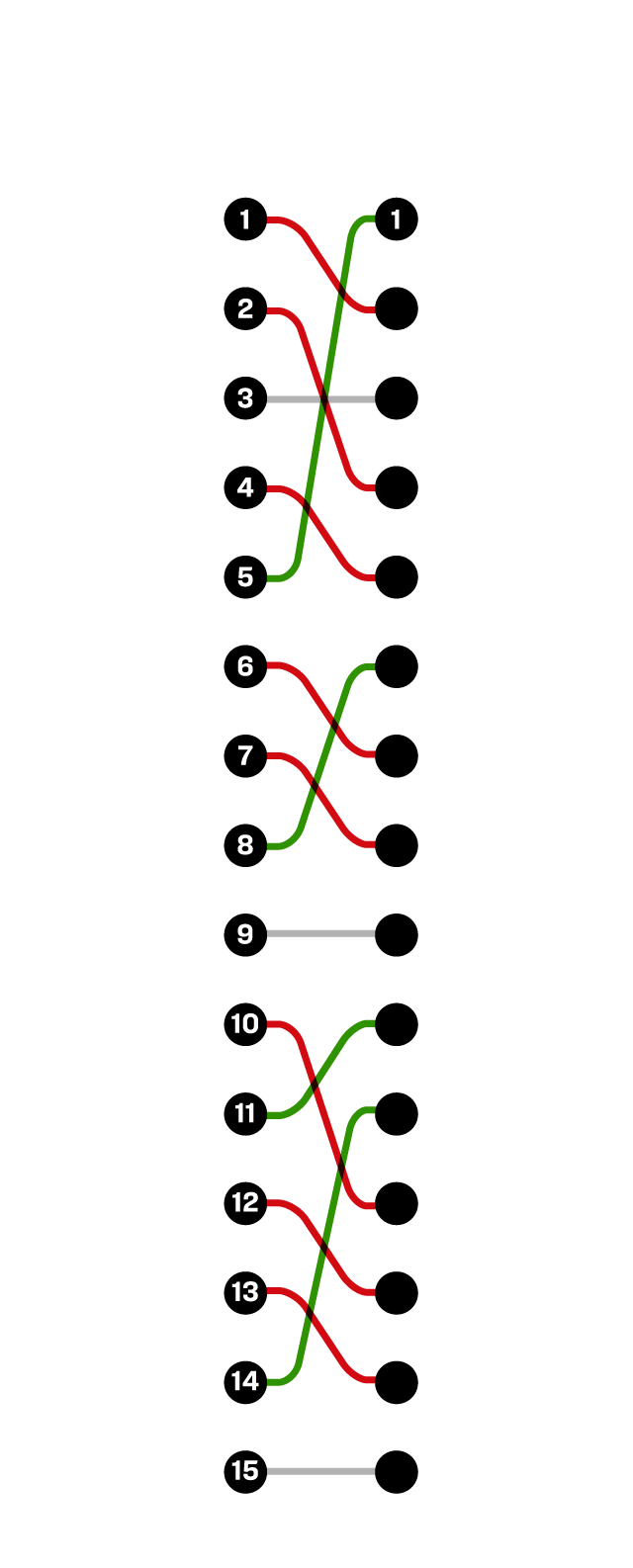
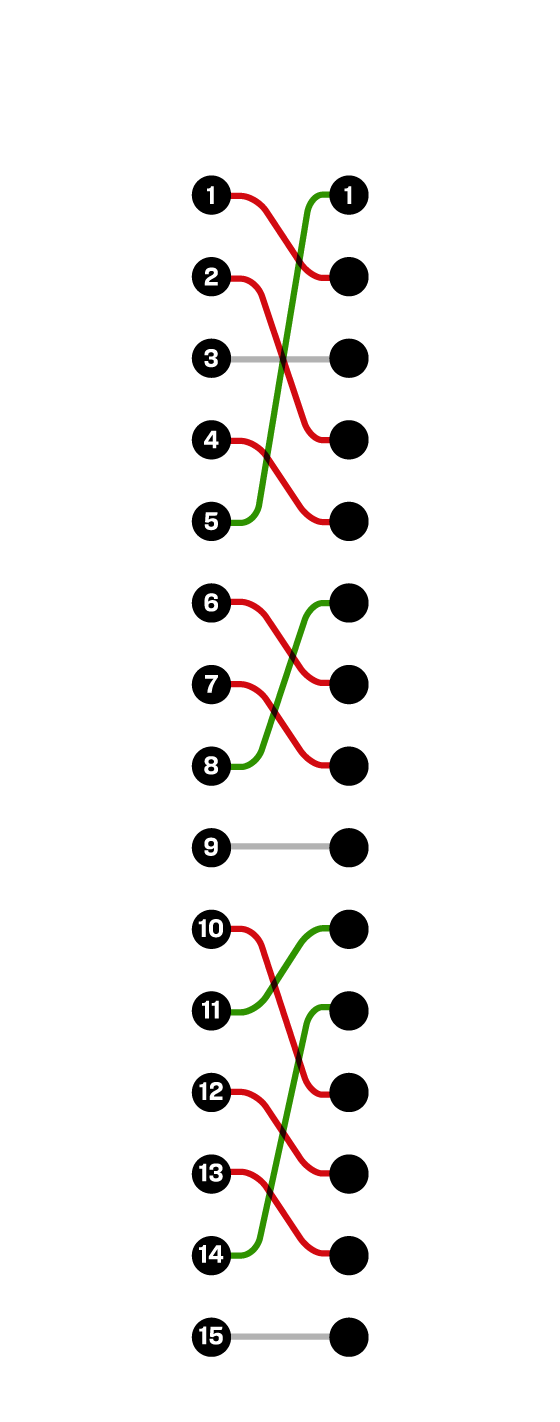
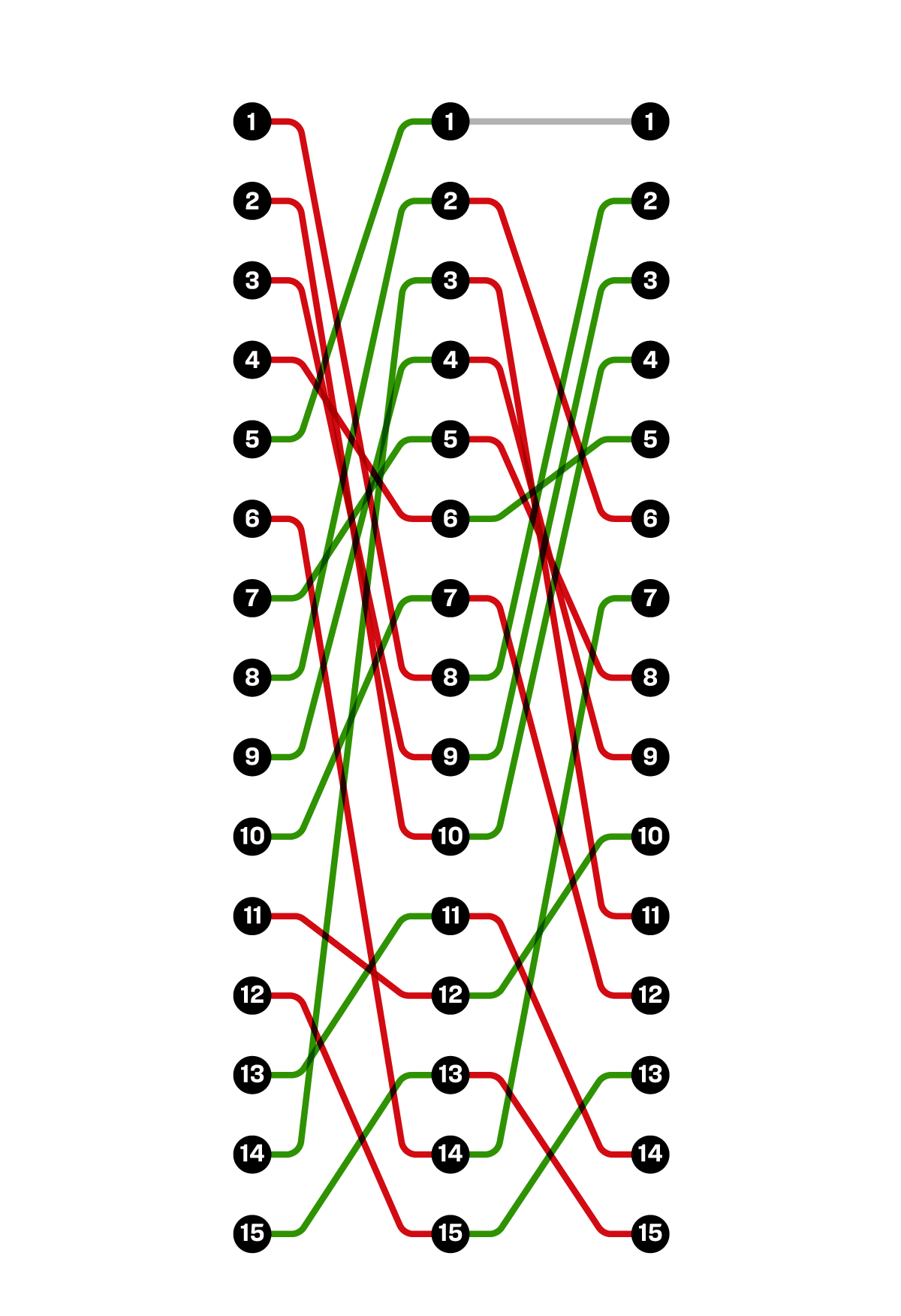
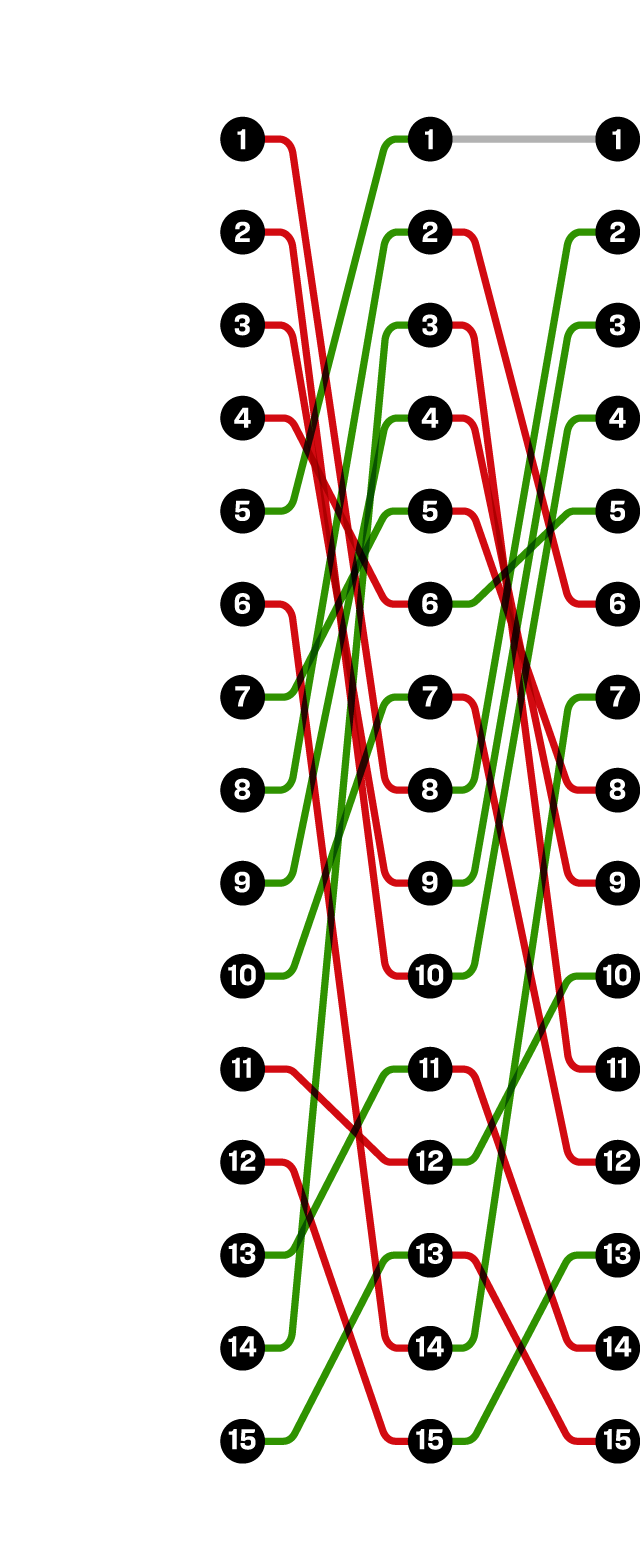
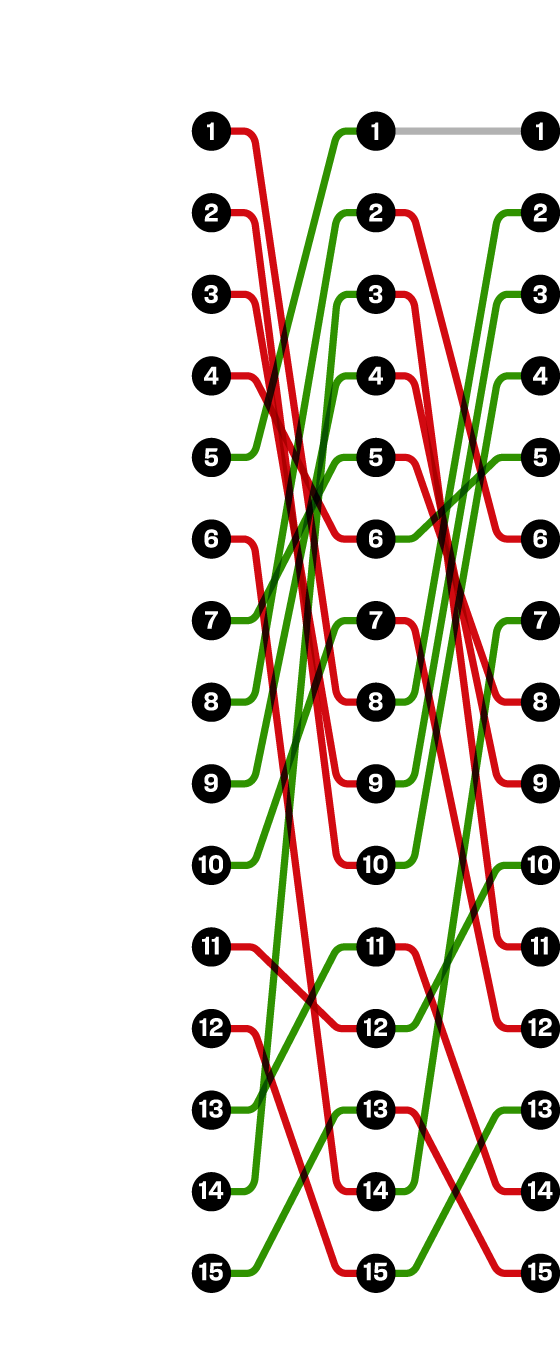
The first column of the chart shows the fiscal capacity of each autonomous community; that is, not what each one contributes, but what it could contribute if it used the full potential of the devolved taxes. Madrid, for example, is assigned a capacity of 156% of the Spanish average (100%), which it would reach if it did not implement the massive reductions in wealth, inheritance, and personal income taxes, which other communities governed by the People's Party (PP) have also carried out. Catalonia is the third largest contributor, with a potential of 121%, which also does not include the taxes levied by the Catalan government. The Balearic Islands is the second largest contributor to the common fund, also above the average (127%). The remaining autonomous communities contribute less than the average. The data always refers to the adjusted population, not the per capita population, the method used by the Ministry of Finance to calculate the resources of the financing model.
And what would the result be in 2027, once the proposed new model is implemented? Madrid would move from first to second place; Catalonia would maintain its ranking, remaining third, and the Balearic Islands would move to fourth. But all would benefit compared to the current situation: in the current model, Madrid ranks eighth in resources per adjusted population; Catalonia is ninth, and the Balearic Islands tenth.
In the case of Catalonia, its contribution would decrease from 121% to 104.15%. In euros per adjusted inhabitant, this would mean that each Catalan would receive €5,200. And if the new model is not approved? Projections for 2027 set this amount at €4,573 per adjusted inhabitant. Therefore, 627 euros less per adjusted inhabitantOr, to put it another way: Catalonia would lose €4.686 billion next year. And could it always maintain its ranking? It doesn't seem that this issue needs to be addressed in the law that the Spanish government will send to Congress, but the negotiators of the model are convinced that it will be guaranteed for the duration of the new system. Why? Because the gap between the four regions that would receive the most and the fifth is large enough to suggest that the current positions are unlikely to change.
RECURSOS SOBRE
POBLACIÓ AJUSTADA
DEL NOU MODEL (%)
RECURSOS SOBRE POBLACIÓ AJUSTADA DEL MODEL ACTUAL (%)
Cantàbria
Cantàbria
127,8
108,74
la Rioja
Madrid
114,92
104,31
Extremadura
Catalunya
113,18
104,15
Illes Balears
Castella i Lleó
103,79
108,17
Aragó
Astúries
99,32
106,64
la Rioja
Aragó
98,90
105,70
País Valencià
Galícia
98,71
104,17
Astúries
Madrid
97,94
100,44
Catalunya
Castella i Lleó
100,38
97,72
Illes Balears
Andalusia
100,26
97,52
Extremadura
Castella-la Manxa
97,21
97,51
Andalusia
Galícia
95,33
97,41
Múrcia
Illes Canàries
95,31
97,26
Múrcia
Castella-la Manxa
94,68
96,75
Illes Canàries
País Valencià
94,76
94,68
RECURSOS SOBRE POBLACIÓ AJUSTADA DEL MODEL ACTUAL
RECURSOS SOBRE POBLACIÓ AJUSTADA
DEL NOU MODEL
Cantàbria
Cantàbria
108,74
127,8
la Rioja
Madrid
104,31
114,92
Extremadura
Catalunya
104,15
113,18
Illes Balears
Castella i Lleó
103,79
108,17
Aragó
Astúries
99,32
106,64
la Rioja
Aragó
98,90
105,70
País Valencià
Galícia
98,71
104,17
Astúries
Madrid
97,94
100,44
Catalunya
Castella i Lleó
100,38
97,72
Illes Balears
Andalusia
100,26
97,52
Castella-la M.
Extremadura
97,21
97,51
Andalusia
Galícia
95,33
97,41
Illes Canàries
Múrcia
95,31
97,26
Múrcia
Castella-la M.
96,75
94,68
Illes Canàries
País Valencià
94,76
94,68
RECURSOS SOBRE POBLACIÓ AJUSTADA DEL MODEL ACTUAL
RECURSOS SOBRE POBLACIÓ AJUSTADA
DEL NOU MODEL
Cantàbria
Cantàbria
127,8
108,74
la Rioja
Madrid
114,92
104,31
Extremadura
Catalunya
113,18
104,15
Illes Balears
Castella i Lleó
103,79
108,17
Aragó
Astúries
99,32
106,64
la Rioja
Aragó
98,90
105,70
País Valencià
Galícia
98,71
104,17
Astúries
Madrid
97,94
100,44
Catalunya
Castella i Lleó
97,72
100,38
Illes Balears
Andalusia
97,52
100,26
Extremadura
Castella-la M.
97,51
97,21
Galícia
Andalusia
97,41
95,33
Múrcia
Illes Canàries
97,26
95,31
Castella-la M.
Múrcia
96,75
94,68
Illes Canàries
País Valencià
94,76
94,68
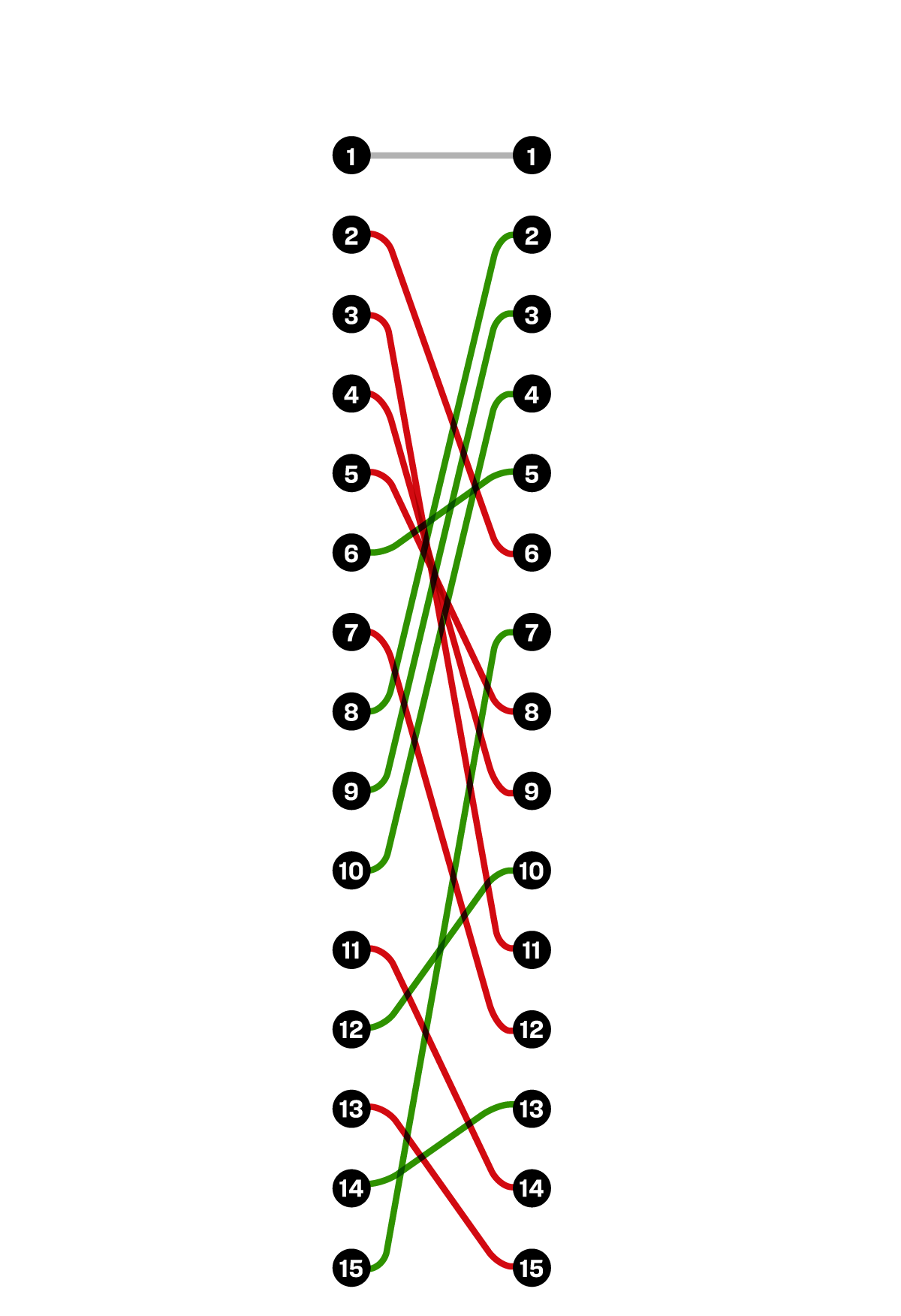
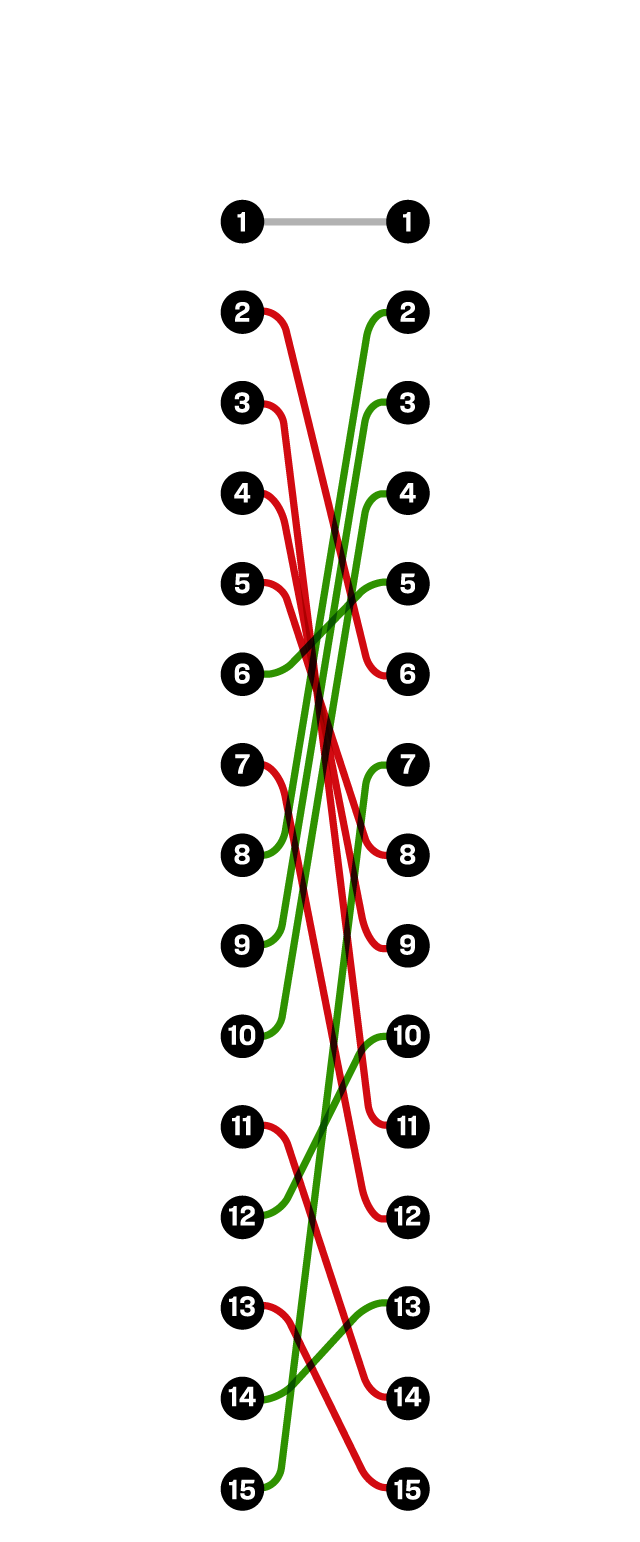
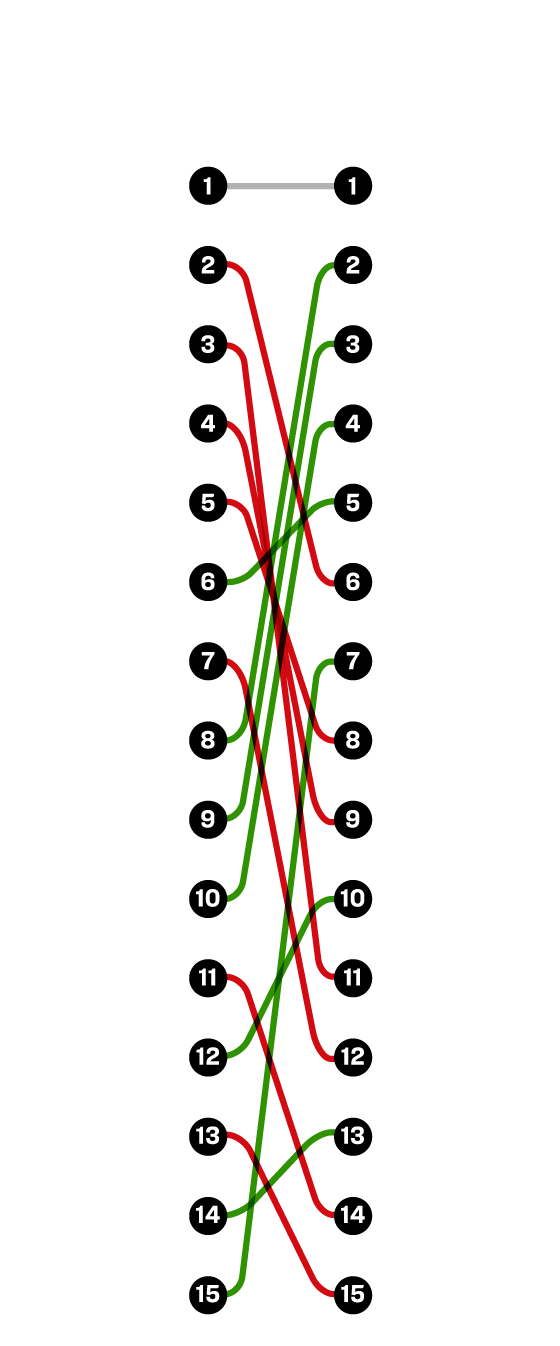
This second chart illustrates the difference between what would happen in 2027 if the current model were maintained versus the new one agreed upon by the PSOE and ERC. The Valencian Community, which would rise from fifteenth and last place to seventh, would ultimately be the most benefited region. It would go from receiving 94.86% of the adjusted per capita resources to 98.71%. The ministry explained that this increase would translate to 3.669 billion euros, making the region, presided over by Juanfran Pérez Llorca (PP), the one that would experience the greatest relative growth compared to its current allocation, exceeding 15%.
Madrid would go from 100.44% in the current model to 104.31% (receiving €2.555 billion), and the Balearic Islands would go from 100.26% to 103.79% (receiving €412 million). Both would also move from the lower positions in the ranking to the top, although the relative gain in these two autonomous communities would be less than that of the Valencian Community or Catalonia.
The top position with the new model would continue to be reserved for Cantabria, as Montero stated last week, since it would obtain 108.74% of the resources thanks to the supplement for status quo which the ministry has created to prevent any regions from losing money. But, of course, Cantabria was already the best-funded region: if the current model were maintained, it would receive 127.8% of the resources. Is this more money per Cantabrian? No, it would be the same, because the new model would be launched with an extra contribution of 21 billion euros from the Spanish government, the source of which has not yet been explained (it is unlikely to come from a tax increase, because there is no majority in Congress to support it).
All the autonomous communities would benefit (in absolute terms, despite the relative adjustments), and only Cantabria and Extremadura, the most overfunded, would retain the same resources regardless of the model in effect in 2027. Given the PP's political opposition to the new model, What incentive would these two communities have to join them??
CAPACITAT
TRIBUTÀRIA
RECURSOS DEL
MODEL ACTUAL
RECURSOS DEL
NOU MODEL
Madrid
Cantàbria
156,41
108,74
Illes Balears
Madrid
127,72
104,31
Catalunya
Catalunya
121,32
104,15
Aragó
Illes Balears
94,59
103,79
Cantàbria
Aragó
94,42
99,32
País Valencià
la Rioja
93,52
98,90
Astúries
País Valencià
89,11
98,71
la Rioja
Astúries
87,09
97,94
Castella i Lleó
Castella i Lleó
86,05
97,72
Galícia
Andalusia
81,96
97,52
Andalusia
Extremadura
80,19
97,51
Múrcia
Galícia
76,66
97,41
Castella-la Manxa
Múrcia
73,19
97,26
Extremadura
Castella-la Manxa
63,91
96,75
Illes Canàries*
Illes Canàries
46,65
94,76
*Règim fiscal especial
CAPACITAT
TRIBUTÀRIA
MODEL
ACTUAL
NOU
MODEL
Madrid
156,41
Illes Balears
127,72
Catalunya
121,32
Aragó
94,59
Cantàbria
94,42
País Valencià
93,52
Astúries
89,11
la Rioja
87,09
Castella i Lleó
86,05
Galícia
81,96
Andalusia
80,19
Múrcia
76,66
Castella-la M.
73,19
Extremadura
63,91
Illes Canàries*
46,65
*Règim fiscal especial
CAPACITAT
TRIBUTÀRIA
MODEL
ACTUAL
NOU
MODEL
Madrid
156,41
Illes Balears
127,72
Catalunya
121,32
Aragó
94,59
Cantàbria
94,42
País Valencià
93,52
Astúries
89,11
la Rioja
87,09
Castella i Lleó
86,05
Galícia
81,96
Andalusia
80,19
Múrcia
76,66
Castella-la M.
73,19
Extremadura
63,91
Illes Canàries*
46,65
*Règim fiscal especial
Fewer differences
The new financing model would be based on the premise that everyone would gain (or remain the same) in absolute terms. However, the ranking of each autonomous community, or its percentage of resources relative to the average it would receive, would be a different matter. Cantabria, for example, would lose almost 20 points in this ranking (from 127.8% to 108.74% of resources), and Extremadura would lose 15 (from 113.18% to 97.51%). La Rioja, also currently one of the most overfunded regions, would drop 16 points (from 114.92% to 98.9%). Nevertheless, they would all share one thing in common: they would receive more than they contribute to the common coffers. While Catalonia, despite improving, would still be 17.17 points below its fiscal capacity after the financing model adjustments are applied, Extremadura would receive an additional 33.6 points. And, despite the furious criticism from President Emiliano García-Page, Castilla-La Mancha would still receive an additional 23.56 percentage points of its contribution, meaning it would be the second-fastest growing autonomous community relative to its fiscal capacity. Translated into euros, Page's government would receive an additional 1.248 billion thanks to the new model. This does not prevent both Page and the PP from continuing to criticize the "privileges" for Catalonia, and last Sunday, with all the males popular backAlberto Núñez Feijóo will ask Pedro Sánchez and Oriol Junqueras if their model consists of "making the richest richer forever."
Minister Montero has consistently argued since the presentation of the new model that it is a fairer and more equitable system. In her view, this is due to the reduction of disparities between the autonomous communities. If the current model were still in place in 2027, the gap between Cantabria (127.8%) and the Valencian Community (94.68%) and Murcia (94.68%), which share last place, would be 33.12 percentage points. According to the ministry's calculations, the new model would reduce the gap between the first and last communities to a third, or 12 percentage points, the difference between Cantabria (108.74%) and Castilla-La Mancha (96.75%).
