Two good men

-
CAT -
CAST
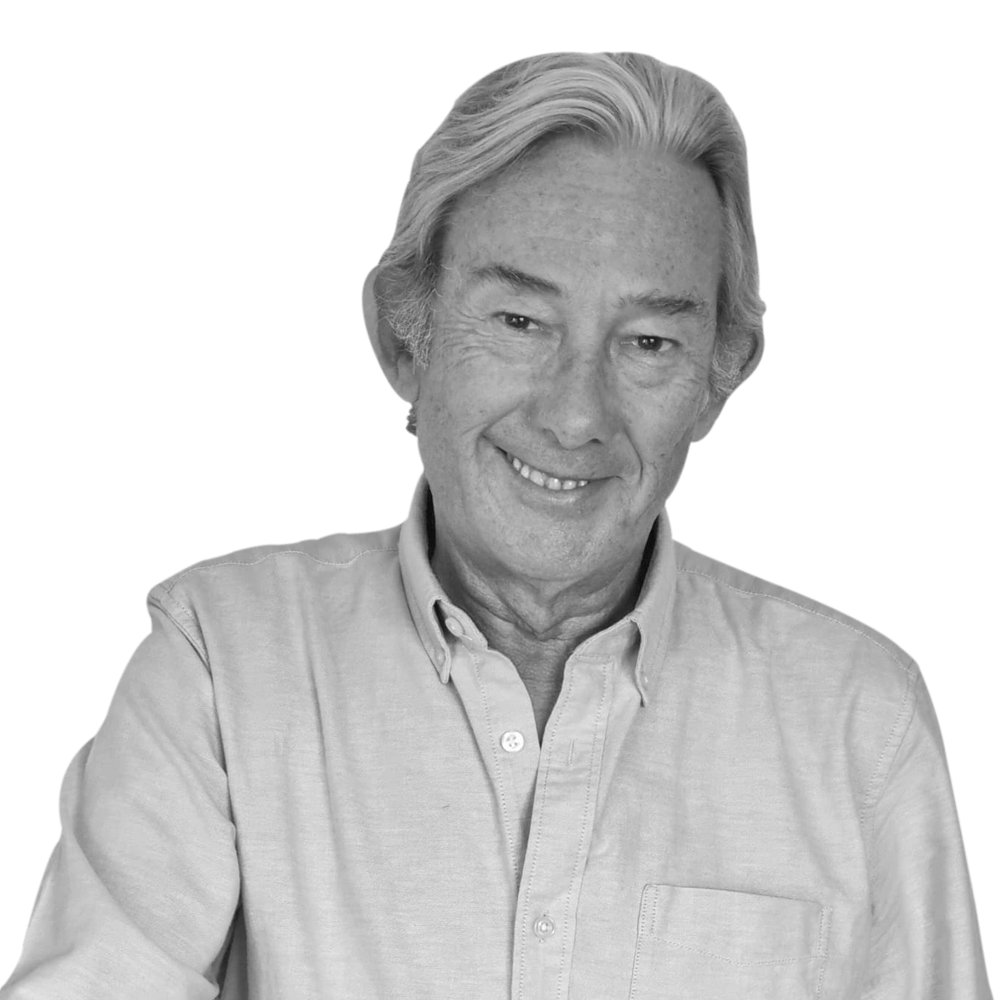
Bad people are all very similar. Good people, on the other hand, are each good in their own way. Years ago, I met two friends who practiced kindness as an ethical imperative and as a desire for understanding. Both were Christians, both were short, and both sometimes smoked those terrifying twisted cigars called Tuscans, but that's where the similarities ended. One was the journalist Josep Martí Gómez, who died in 2022. The other was the priest (and journalist) Josep Bigordà, who died this week at the age of 97. Meeting people like that brightens life a little. When I started working in The Catalan PostBy 1977, Martí and Bigordà were already prestigious figures. Martí Gómez had gained fame as an interviewer, alongside Josep Ramoneda, in the pages of Pleaseand wrote legal chronicles that extracted diamonds of humanity and beauty from every personal misery. In 1968, Bigordà had hosted the founding assembly of the Catalan Workers' Commissions in his modest parish of Sant Medir.
It's hard to imagine the discreet ease with which "mossèn Bigordà" fit into that editorial staff of sinners. The Catalan PostThe former Carlist and reactionary daily, had been transformed during the 1960s, under the guidance of Andreu Rosselló and Manuel Ibáñez Escofet, into the most heterogeneous and progressive (within the limits of what was possible under Franco) concoction in the Barcelona press.
It wasn't a great newspaper. It was a human newspaper. There were shouts, alcohol, spontaneous choral singing of habaneras, and a peculiar coexistence between Nazi nostalgics, like the patient deputy editor Jesús Ruiz, and radicals of the most lunatic left, like, I suppose, myself.
Jordi Pujol had just bought The Catalan PostAnd the newspaper's happy era, that time with its headquarters on the Rambla where Raimon could suddenly appear any early morning to sing a few songs, was doomed. But the assembly's tumult refused to disappear.
Josep María Huertas Clavería had left for Tele/eXpresThere they were, however: the drawings of Miquel Ferreres (now at ARA, still faithful to the habit of including caricatures by two other historical figures of the press, Josep Pernau and Josep Maria Cadena), the editorials of Wifredo Espina, the urban chronicles of Lluís Serra, the denunciations of Jaume Reixach, the political reporting of Alfred Rexach and Toni Rodríguez, the exhaustive and tireless work of Enric Tintoré, the highly cultured sarcasms of Joan Anton Benach, and the brilliant columns of Joan de Sagarra and Josep Martí Gómez.
And, amidst all that, a human and ever-present manual of ethics: Bigordà. He would arrive in the mid-afternoon, sit down at the table, remove his clerical collar, and, without ever raising his voice, join that tumultuous atmosphere. I think we all ended up confessing, one day or another, in the most casual, secular, and disorganized way, to that priest who knew how to understand and advise.
I tried to learn many things from Martí Gómez, without much success (his listening skills were inimitable), although something stayed with me. The sacredness of off the record And confidences, for example: no journalistic interest justified betraying a pact, whether with a minister or a robber. That's why his sources were loyal to him until death. I would have liked to copy Bigordà's ability to distinguish, in any situation, right from wrong.
Martí was ironic. Bigordà never was, but he could seem so because of his unusual honesty. Martí was an ordinary Christian, full of doubts. Bigordà tried to conceal his theological and canonical wisdom. Martí could indulge in some excesses. Bigordà was characterized by his precise moderation.
I remember them leaving together late at night, talking about their things. Later I frequented Martí Gómez (we worked together as correspondents in London, did a radio program together, and shared many martinis), and Bigordà, whom I had lost track of, always came up in our conversations.
I like to think that in today's newsrooms there are still characters like those two. Guys or gals who, even after death, accompany you like guardian shadows.
