"Death to intelligence" and the elections in Brazil

-
CAT -
CAST
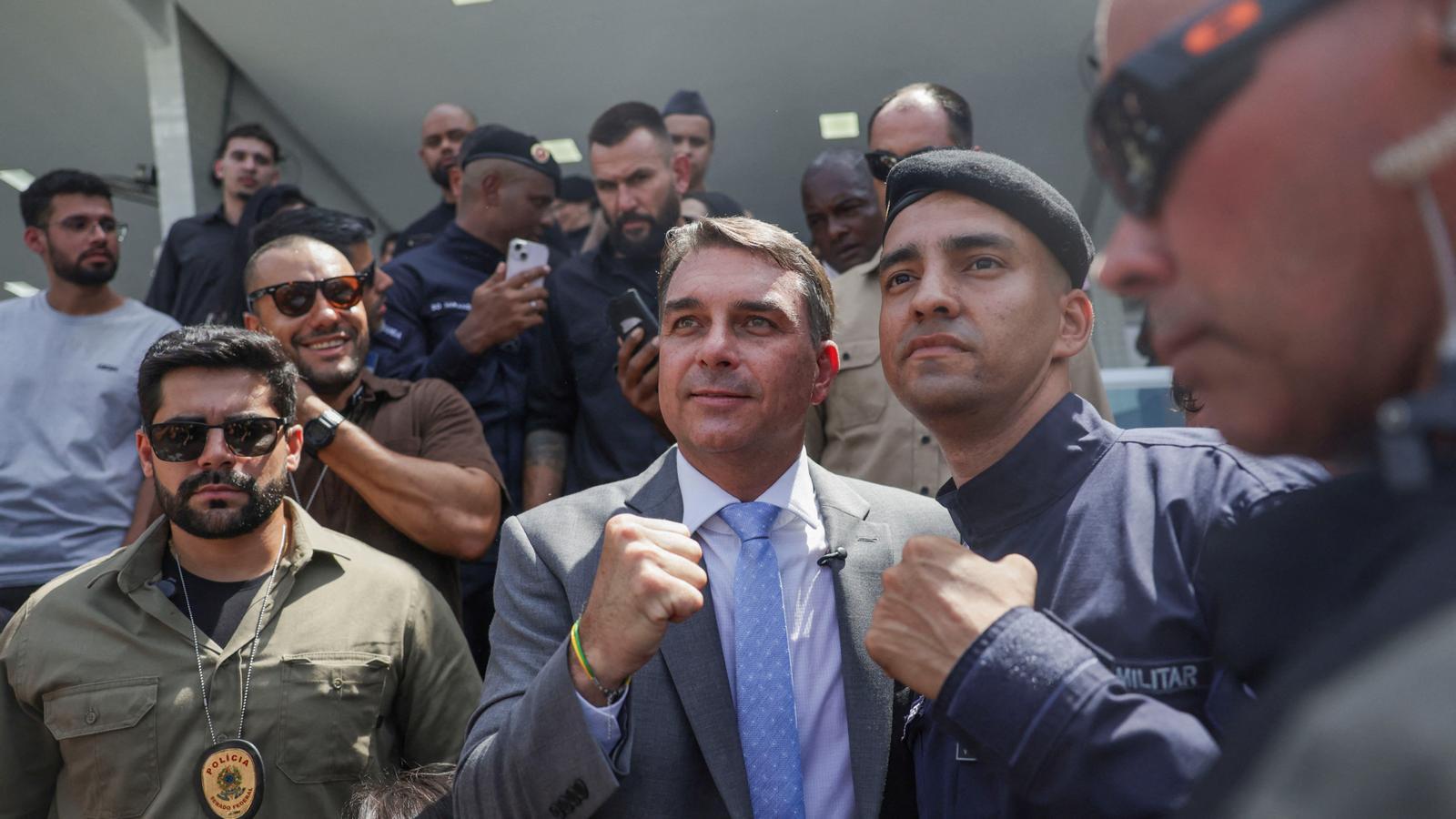
Of the many possibilities for analysis offered by the elections in Brazil on October 24th, there is one that, perhaps because it touches me closely, interests and horrifies me particularly: the anti-intellectualism of Flávio Bolsonaro's party.
Anti-intellectualism is historically associated with religious thought and totalitarianisms. If there is only one truth, there can only be one book that contains it; all others are superfluous, and therefore the institutions that guard them—universities, schools, athenaeums, libraries—are suspicious. Douglas Hofstadter, in his book Anti-Intellectualism in American Life –from 1963, but which remains fully relevant– made it very clear: since the colonial period, dominated by the evangelical faith of the Puritans, books in the USA have been a nuisance. On the other hand, when we see the photographs of the 1933 book burning in Berlin, where nearly 20,000 volumes were reduced to ashes, we get chills because we see in them the embodiment of dystopia, a world without books, without critical thinking, without the individual freedom to read and think. The Stalinist attacks on intellectuals, the exile of Mikhail Bakhtin, for example, and the purges in universities, are, as Hannah Arendt explained very well, the other side of the same coin.
The peninsular contribution to the sad history of anti-intellectualism is long. We can exemplify it in the grotesque episode (in the strictest sense of the term, a tragic farce emerged from the cave) staged in Salamanca by Legion General José Millán-Astray on October 12, 1936, during the inauguration ceremony of the first year of the war. It is well known that the speech by rector Miguel de Unamuno was interrupted by the frenzied shouts of Millán-Astray and his legionnaires. Although there is no exact record of what happened and different versions circulate, one of the most widespread claims that two terrible roars resounded in the hall: “Viva la muerte” and “Muera la inteligencia”, which enraged Unamuno, who considered that the university, a “templo del saber”, could not be defiled by that sacrilegious cry.
Returning to Brazil, the government of Jair Bolsonaro, father and ideological mentor of the current candidate, was characterized by a constant war against universities and against culture in general. Between 2019 and 2022, there were cuts of 14.4% to the budgets of federal universities, those that depend on the central government. Investments in books, construction works, and equipment, as well as scholarship programs, were severely hit. On the other hand, professors considered "disloyal" were harassed, threatened, and some were fired. The attacks by Bolsonaro and his Minister of Education, Abraham Weintraub, on universities focused on those areas of knowledge they considered "non-productive," and in a very special way, they attacked sociology and philosophy, which they accused of promoting "cultural Marxism" and "gender ideology." Let us remember that Judith Butler already suffered an incident in 2017 with a group of radical Bolsonaristas at the São Paulo airport, where she had participated in a seminar. Let us also not forget the powerful link that exists between Bolsonarism and ultra-conservative evangelical movements. Once again, religion and anti-intellectualism go hand in hand.
It should also be remembered that during those years the activities of the cultural institutes (such as the Ramon Llull or the Cervantes) that the Brazilian government has in many places around the world, including Barcelona, were controlled with an iron fist. The cultural programming of these centers and the Brazilian professors and artists who were invited to them had to have the approval of the federal government, and on several occasions this approval did not arrive and the activity was cancelled. It is not surprising, then, that the vast majority of Brazilian artists and writers, such as Caetano Veloso, Chico Buarque, Gilberto Gil and the great writer Raduan Nassar, among many others, have campaigned publicly in favor of Lula. Paulo Coelho, who in 2022 expressed his public support for him, although he later stated that he regretted it, has not spoken out this time.
The second round of the elections is held on Sunday. The latest polls show a near technical tie that could tip in either direction. Just in case Bolsonaro wins, I will close with the other famous phrase by Unamuno, perhaps also apocryphal: “You will win, but you will not convince”.
