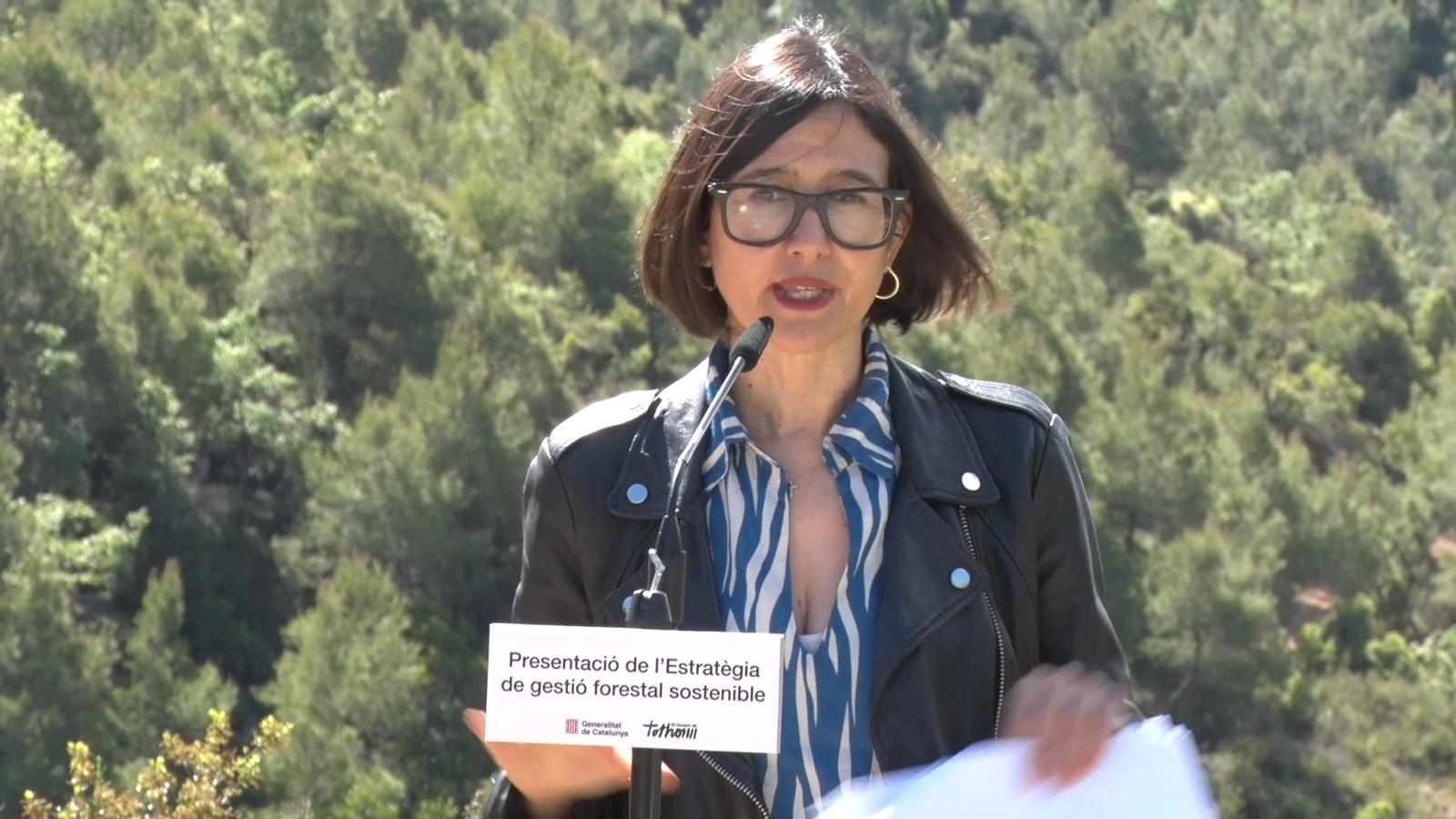

The Minister of the Interior, Núria Parlon, has said that they will assess the appropriateness and proportionality of having infiltrated Mossos agents into a teachers' assembly. That the action was not opportune, because they were in full negotiation with the unions, has already been assessed. And that it may be proportionate is frightening: if the police infiltrate a meeting of teachers (peaceful people, even if they are raising a labor dispute), how many other meetings of struggling groups are they not infiltrating?
The minister also says that, after the assessment, they will take the necessary measures from an operational point of view, which is the criterion used to send the agents to the meeting. Well, even worse: infiltrating and being discovered is an operational failure. And if it's at a teachers' assembly –which should almost be a practice exercise–, it's a disaster.
In relation to the teachers, however, the Government's inopportune decision is earlier: signing an agreement with some unions but without them being the majority ones, because this is to turn the affected parties even more against them. The Government is seen as interested in often producing the image of agreement, of signing papers at a table in front of the cameras. Agreement is always good. When it is bad is when the agreement does not correspond to reality, because then it is only made for the narrative.
But beyond the political debate of this stumble, the situation is delicate for the whole society, not just for the Government. Teachers are in struggle, and students and families are paying the consequences. But the results of education in Catalonia must improve, because our present and our future depend on it. And instead of having a country agreement, we have a conflict that is entering the daily lives of tens of thousands of homes. Like a commuter train.
