The poetics of 70 years of 'Telediarios'
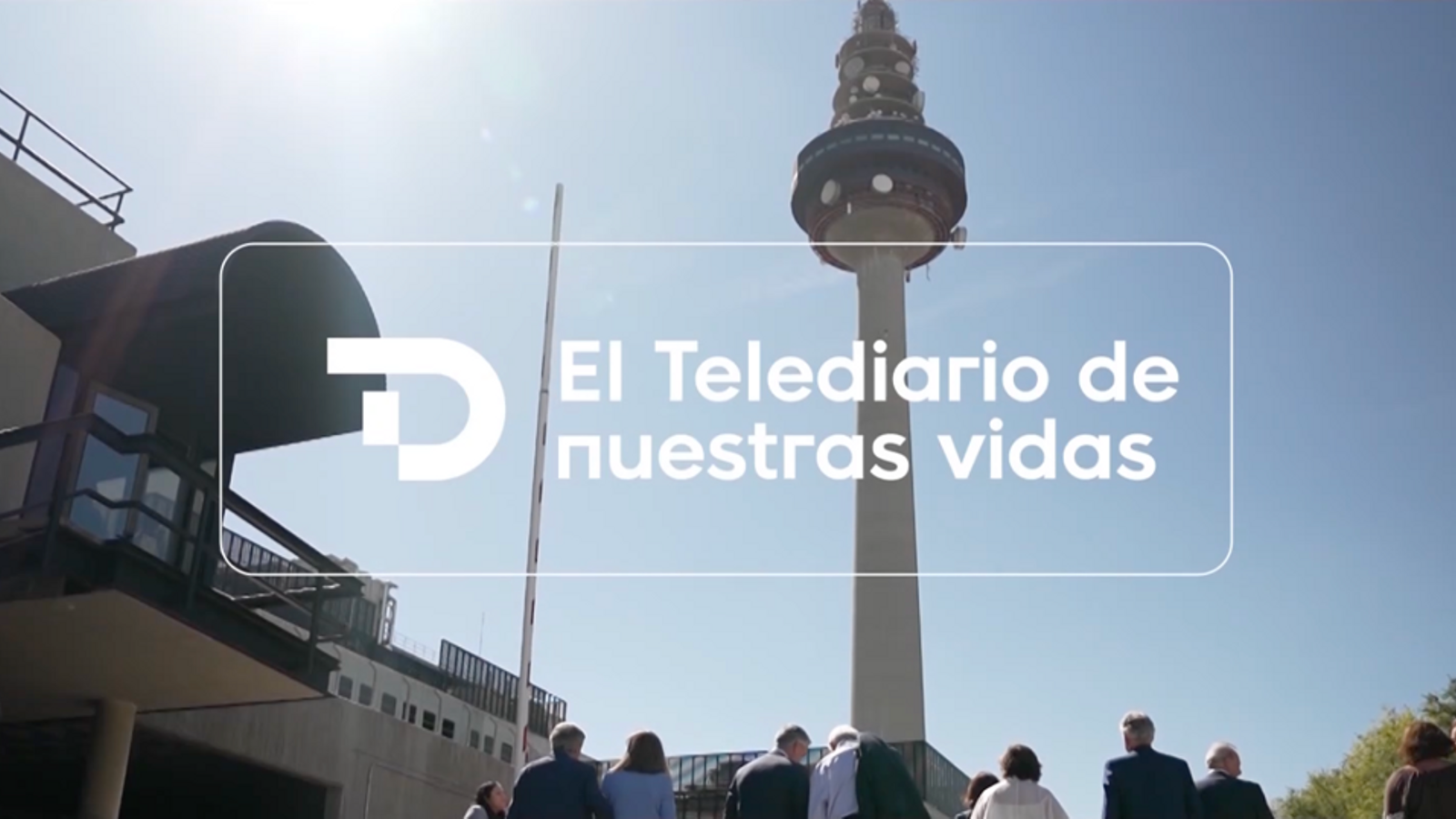

Televisión Española is celebrating its seventieth anniversary and on Monday evening the Telediario paid tribute to these seven decades by explaining what is happening in the world. Pepa Bueno's news program put aside current events to look at the past: a magnificent program that, for generations who grew up in front of the television before TV3 existed, became an exercise in memory of faces, voices, names, and images of the world.
The start of El Telediario de nuestras vidas was already moving. Eduardo Sancho, the first presenter in the history of the network, greeted the audience: “A mis cien años, vuelvo a asomarme a esta ventana para felicitaros”. Following this, the opening had the epic feel of an Ocean’s eleven film: Iñaki Gabilondo, Matías Prats, Pedro Piqueras, Ana Blanco, Carlos Franganillo, Olga Viza, María Escario, Manuel Campo Vidal, Paco Montesdeoca, Lorenzo Milá and Pepa Bueno advanced with epic flair towards the famous Pirulí, a symbol of communication in Spain. Immediately after, a fast-paced montage incorporated the greetings of the rest of the presenters who have sat at the Telediario desk. A festival of buenas tardes and buenas noches that culminated with someone who left journalism to climb towards new positions of power: Queen Letizia.
Afterwards, the most interesting part arrived. Each of the presenters took on the summary of the most important events of these seventy years. Franganillo recalled the pandemic, Campo-Vidal the ETA terrorism, Ana Blanco the 9/11 attacks, Pedro Piqueras the multiple wars that always cross the news reports. The most iconic reporters and correspondents joined the narrative: Anna Bosch recalled the fall of the Berlin Wall, Raquel González 11-M... Taking into account the privileged archives of RTVE and the talent that the Telediario has been demonstrating lately in its care for editing, a transition was made from the arrival of man on the Moon to AI, explaining all the technological transformation and the social changes it has brought about. The figure of Ana Isabel Cano, the first woman to hold an international correspondent position at TVE, was recovered. She presented a video that explained the evolution of feminism in Spain. There were delicate decisions in the selection of images. From a street survey from the seventies where pedestrians were asked about the right to abortion, we moved to the zero-gravity somersaults of an astronaut inside the spacecraft. Pepa Bueno closed the program by also acknowledging errors and unforgivable acts that had forced them to rectify, such as 11-M, the Prestige and the GAL. Rosa Maria Calaf closed the program by paying tribute to the thousands of people who work for a news program. El Telediario de nuestras vidas found the perfect balance between information, poetry, and emotion. “Stopping the explanation of the world is not in our plans”, said Calaf. In a convulsive moment in which it seems that the world is ending, at the very least we saw a beautiful journalistic exercise that hinted that perhaps it is not. That even in the darkest moments we have moved forward.
