Perhaps we have already spoken too much
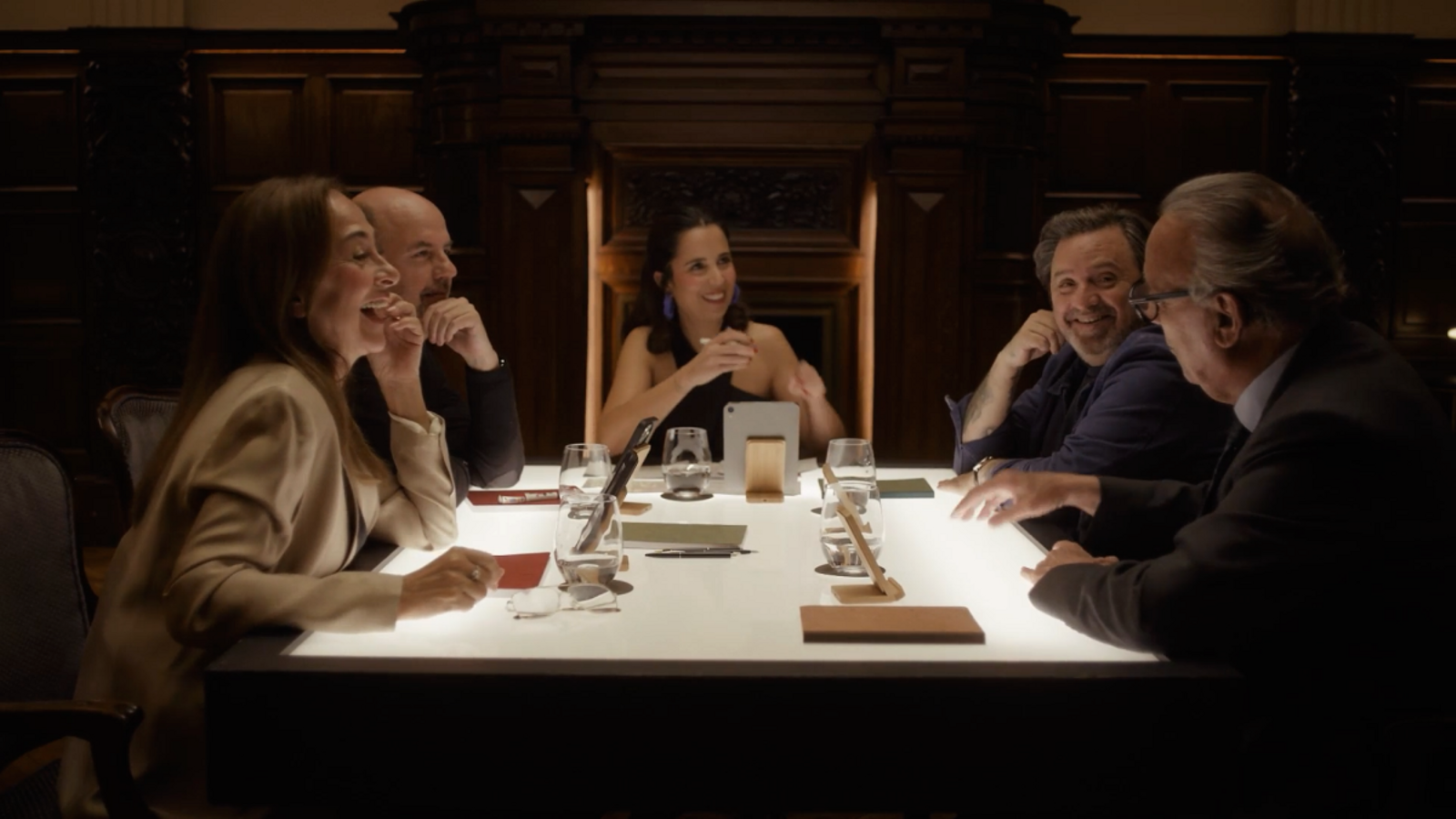

Three episodes of No se n'ha parlat prou have already been broadcast on La 2 Cat, a new format that, according to the press releases for its premiere, offers "a different look at current affairs, focused on what often remains outside the media spotlight." Considering the program's title and this approach, the topics they have addressed provoke a certain bewilderment: Sant Jordi, Donald Trump, and the Barça-Madrid match. It's fortunate that the look was supposed to be at what is on the margins of the media. It would be difficult to find topics that have been talked about more.They insist a lot on this “different perspective”: “a different space for conversation to approach current events in a different way too”, they say at the beginning. Or that it “looks for the cracks in current events and focuses on issues that remain in the background”. But no matter how much they repeat it, the harsh reality is that it is a discussion panel, which is not exactly the height of originality today. A conversation around a table, in a warm and friendly atmosphere, moderated by the always efficient Laura Rosel. Of the relaxed tone, we could also say “little effort” on the part of the participants. Some collaborators rotate, others repeat depending on the week or can perform complementary roles. One of the usual guests is Jordi Basté, omnipresent on the chain, who has placed himself among the cast of signings, because the program is from his production company. Since not enough has been said about anything on El món a RAC1, it needs an extra dose on La 2 Cat. This climate of relaxation has, however, some collateral damage: there is always a moment of what we could call conversational cunyadismeconversational. With a few exceptions, the argumentative proposals are characterized by obviousness, commonplaces, and easy contributions. Perhaps the most original detail of the approach are the mobile phone holders they have on the table, which incorporate the phone as an undeniable appendix to the dialogue between humans.In the conversation, a prominent figure linked to the program's central theme is integrated in a second part for Rosel and the collaborators to interview. This is, undoubtedly, the most unique part from a television perspective. There is also an analysis section titled Has it been talked about too much, which serves to continue discussing the same topic, creating an infinite loop that contradicts the program's theoretical objective. Another cliché is the dose of humor that must season any format, performed by a street reporter, Víctor Lafuente, too worried about being funny. An informal musical performance serves to bid farewell to the program.The will to be different from It has not been discussed enough is limited to an aesthetic issue. The comfortable and elegant space, the warmth of the lighting, and a circular layout mark the visual differences. What is not discussed enough is the enormous difficulty for television to dare to talk about different issues and, above all, from an expert perspective.
