The United States and other countries withdraw diplomats from Saudi Arabia for fear of Houthi attacks
The announcement arrives with the threats of Trump and Netanyahu to resume the war against Iran after the midterm elections

-
CAT -
CAST
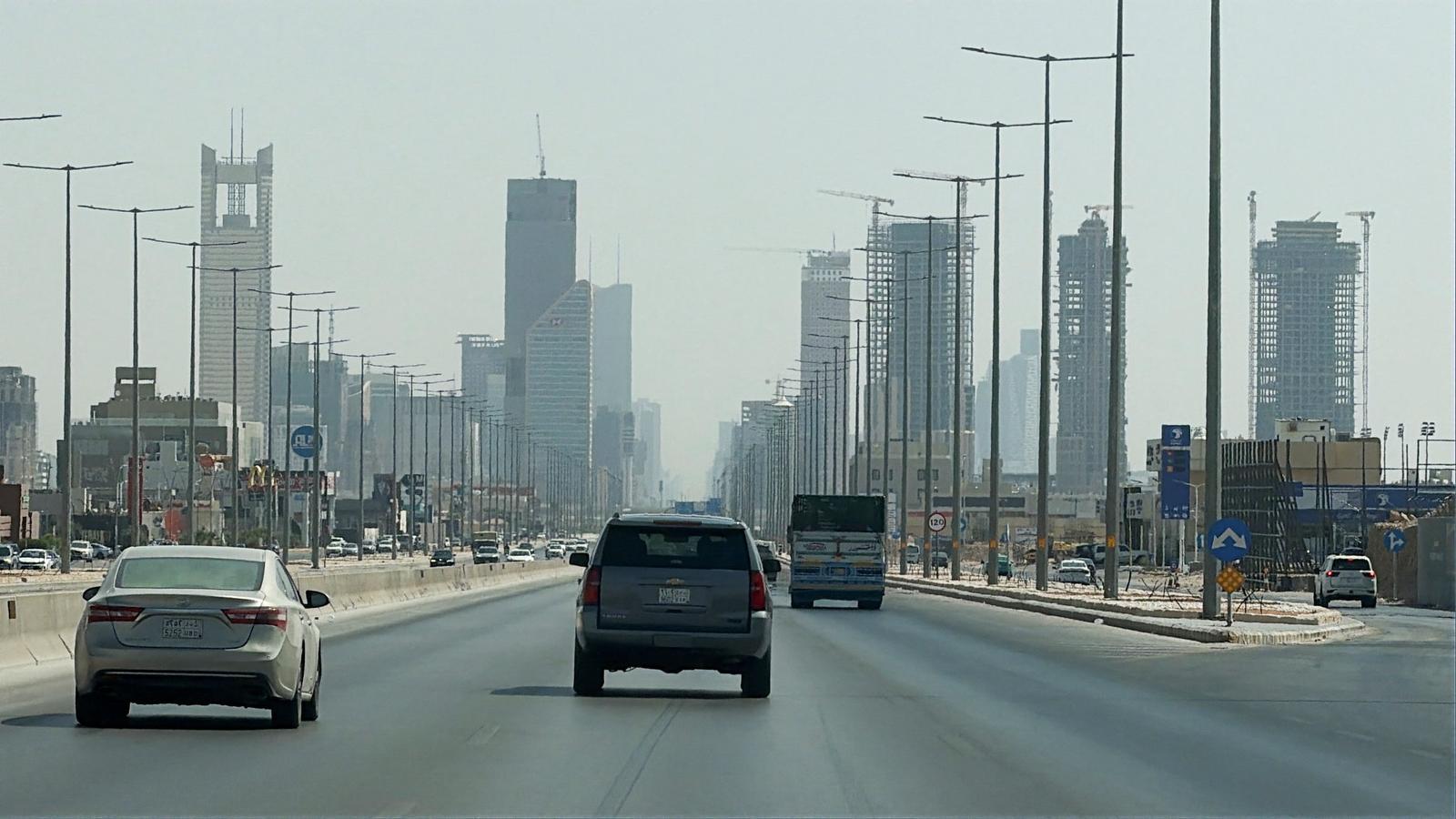
WashingtonThe United States has ordered the withdrawal of some of its diplomatic personnel stationed in Saudi Arabia, one of its main allies in the Middle East, following attacks by Houthi militias from Yemen. The petromonarchy suffers constant attacks from this group allied with Iran, such as the one this Wednesday night that left one dead and eight injured at the King Fahd International Airport in Dammam, in the east of the country. Families of personnel at American embassies in the United Arab Emirates, Jordan, Qatar, and Bahrain are also being evacuated.
The decision comes after weeks during which Saudi Arabia has been enduring attacks from Yemeni militias without Washington having decided to intervene. In fact, although the Saudi monarchy has explicitly asked the Trump administration to send military aid, for the moment the White House has wanted to avoid getting involved in another conflict.
The attacks against "civilian airports and other critical infrastructure" by the Yemeni movement—which since 2014 has been fighting the Saudi military intervention in the civil war that is ravaging the country—are the cause of the withdrawal, according to State Department spokesperson Tommy Pigott: "The safety and security of department personnel and their families remain our top priority." The order affects the embassy in Riyadh and also the consulates across the country. The embassy had suffered severe damage at the start of the United States' war against Iran and had been operating with minimal staff for months, although some diplomats had returned in recent weeks.
The withdrawal of personnel is also taking place at a time when the Trump administration is reportedly preparing plans to resume the war against Iran after the November 3rd elections, according to sources familiar with the matter at the New York Times. In recent weeks, the Pentagon has reportedly presented several options with which to resume bombing the Islamic Republic. Among other possibilities is the launch of what is known as "the mother of all bombs," as revealed by CNN last week. The model in question is the GBU-43/B MOAB, a massive air-blast bomb guided by GPS and which constitutes the largest non-nuclear projectile in the United States military's arsenal. In this sense, Benjamin Netanyahu, the Prime Minister of Israel – Washington's other strategic ally in the region – has also threatened to attack Iran again after the midterm elections in the United States.
The New York Times has reported that the United States and Israel have drawn up plans for a "short but intense operation," after Secretary of Defense Peter Hegseth traveled to Israel earlier this week to meet with Prime Minister Benjamin Netanyahu. Israel holds elections on Tuesday, and they will be the first since the Palestinian attacks of October 7, 2023. Last week, Trump said that the United States was considering destroying Iran's Pickaxe Mountain, a site linked to the country's nuclear program. However, the president has publicly stated that he has no intention of resuming the war before the November 3rd elections

