The future of young people in Afghanistan: forced to be silent, without questioning anything

-
CAT -
CAST
KabulBefore the Taliban returned to power, when I was a journalism student at Kabul University, I could speak freely about politics. I was a member of the university's debate group and, together with other students, we organized discussions at universities across Afghanistan. We criticized the government and questioned its policies. Asking questions and disagreeing was part of our university life.
Today, with the Taliban, everything has changed. Many political analysts who are invited to televised news programs express their opinions when the cameras are off, but become cautious as soon as the broadcast begins. We ourselves, the Afghan journalists, also find it difficult to criticize the Taliban in our news or reports.
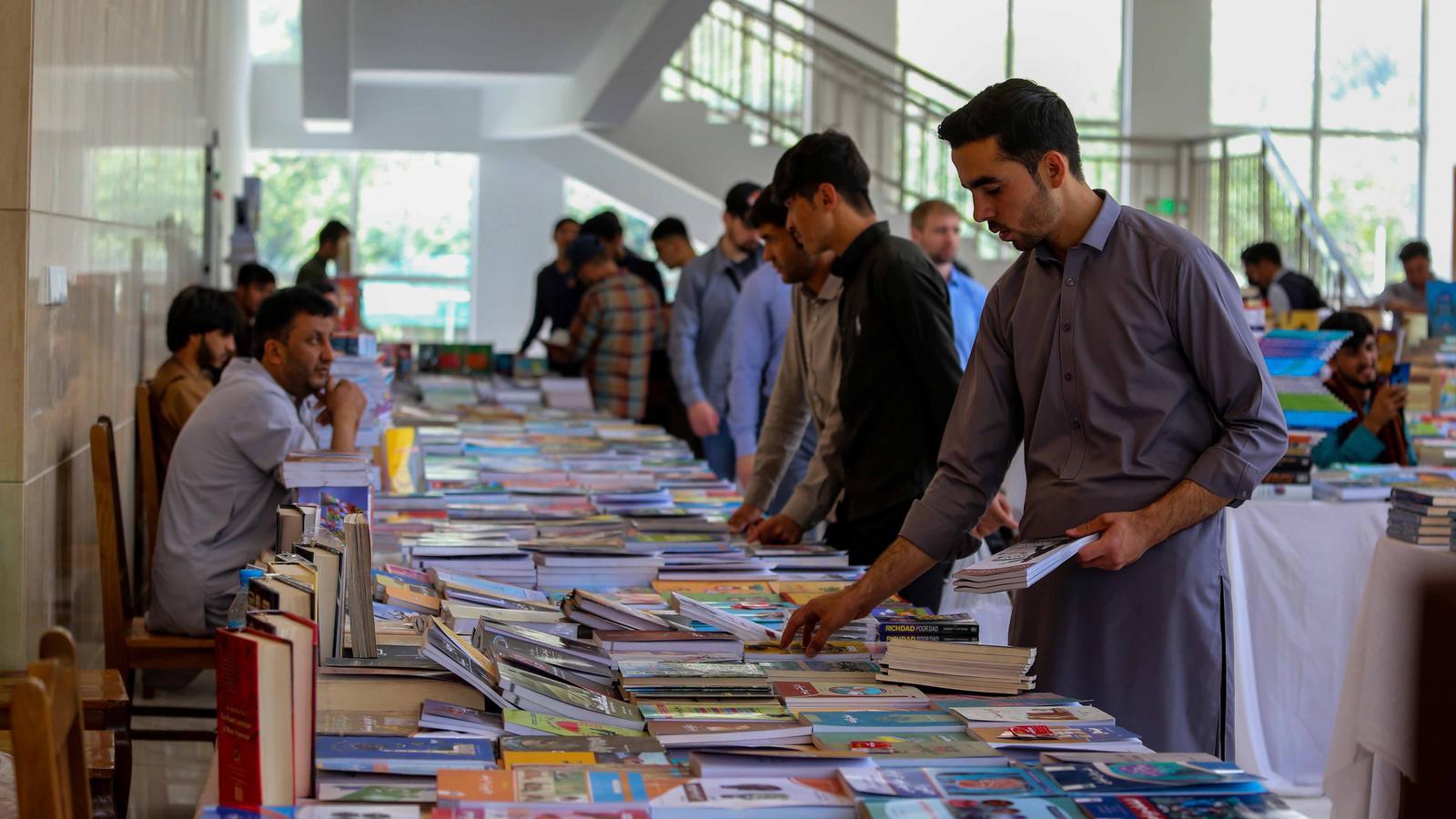
The restrictions are not limited to the media. Books have not been spared either. A few weeks ago, I read a small fragment of the book Homo Deus, by Yuval Noah Harari, on Facebook. It spoke about the danger of humans becoming machines and losing their creativity, emotions, and consciousness. The reflection piqued my curiosity to read the book, so I decided to look for it in Kabul. I went to more than ten bookstores, but none of them had it.
What worried me most, however, were the booksellers' warnings. Several told me to be careful with that book. If the Taliban discovered I was looking for it, they could arrest me. When I asked why, they explained that the Taliban's inspection teams break into bookstores once a month to check the books that are for sale. Titles that question their regime or make certain reflections are considered sensitive.
I was stunned. I simply wanted to read a book whose ideas had caught my attention. But I returned home empty-handed, and worried that even the desire to read could put me at risk.
The Taliban's Ministry of Information and Culture has seized 50,000 books from bookstores and publishers in Kabul. For its part, the Taliban's Ministry for the Promotion of Virtue and the Prevention of Vice has destroyed 12,000 books on feminism, orientalism, Christianity, and political thought over the last five years. Likewise, cultural centers have been closed.
Many of these books used to be found on bookstore shelves, where readers could choose what they wanted to explore. Now, access to many of these works has become more difficult. Some readers have to rely on PDF versions, if they can find them and have access to the Internet.
Restrictions have also reached higher education. This year, the Taliban have repeatedly insisted that young people must stay away from politics and political thought. This has been highlighted by the Minister of the Interior and the Minister of Higher Education. Furthermore, they have announced that political science faculties at private universities throughout Afghanistan will be abolished and their students transferred to other studies. They have justified the decision by the alleged lack of job opportunities in this field.
But this justification raises questions for me. If the problem is simply a lack of job opportunities, why is it necessary to restrict the study of political science? Why can't students read books or have information on theories that help them understand government, society, and power from different perspectives?
Curriculum change
My younger brother studies political science at Kabul University, which is public. According to what he has told me, the Taliban have removed all books on political thought and theories from philosophers from around the world from the curriculum. Professors increasingly teach according to viewpoints that align with the Taliban's ideology. And they do not openly recommend study material. Only to some students, once they know them and know that they will not report them to the Taliban, do they provide other sources and references, but in private.
A university should be a place where students can read different theories, compare them, and ask questions about politics, democracy, civil rights, and power structures. Learning about an idea does not mean accepting it. Understanding different perspectives allows students to make more informed judgments about their society and their government.
But when political books are removed from university curricula, professors are afraid to recommend reading material, and criticism of the Taliban is restricted in the media, the space for questioning things becomes smaller. If this continues, young Afghans will have fewer opportunities to develop critical thinking, to understand their political history, and to participate knowledgeably in society. Over time, they will learn to be silent instead of asking questions, not because they do not have any, but because they fear the consequences.
