A new escalation of violence in Pakistan leaves nearly 200 dead
The army claims to have killed 145 separatist militants in Balochistan in response to several coordinated attacks.

BarcelonaA new escalation of violence in Pakistan's southwestern Balochistan province has left some 200 dead this weekend. The Pakistani army is attempting to regain control after a series of coordinated bomb and gun attacks in several towns and cities across the region. The attacks have killed 31 civilians and 17 members of the security forces, according to Balochistan's Chief Minister, Sarfraz Bugti. The army has responded with further violence, killing at least 145 militants. "Security forces have killed 145 militants over the course of more than 40 hours following the coordinated attacks in Balochistan," Bugti told a press conference Sunday in Quetta, the provincial capital. He specified that the death toll includes militants killed in raids on Friday and Saturday, as well as other fighters killed during the ongoing "clearance operations."
The 'Balochistan Liberation Army —a separatist militia that has been fighting for more than two decades for autonomy from Islamabad— claimed responsibility for the attacks and asserted that it had killed dozens of Pakistani soldiers. Between these attacks and the army's bloody response, this weekend has been one of the deadliest in this province, the largest and least populated in Pakistan.
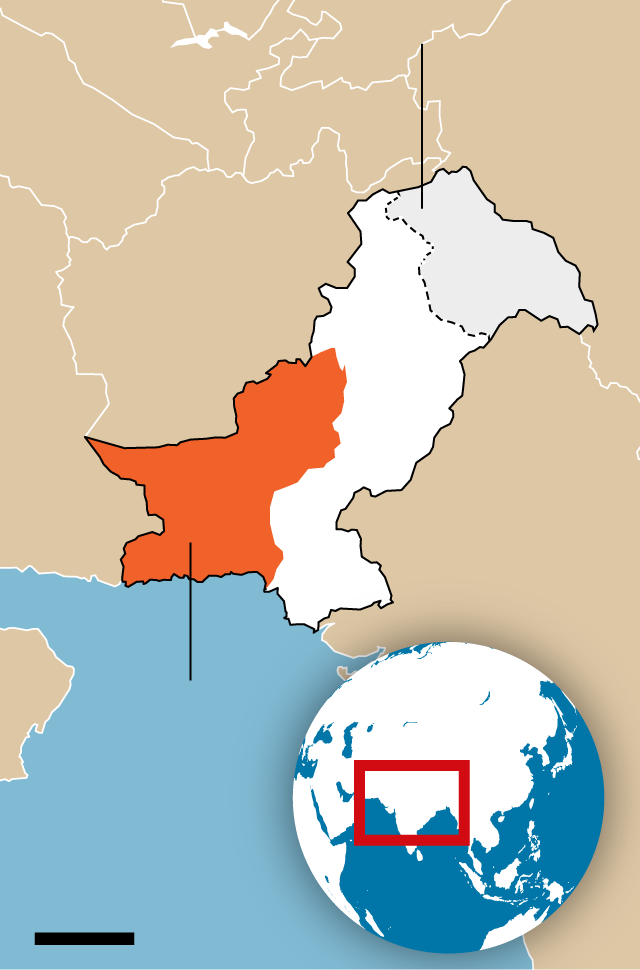
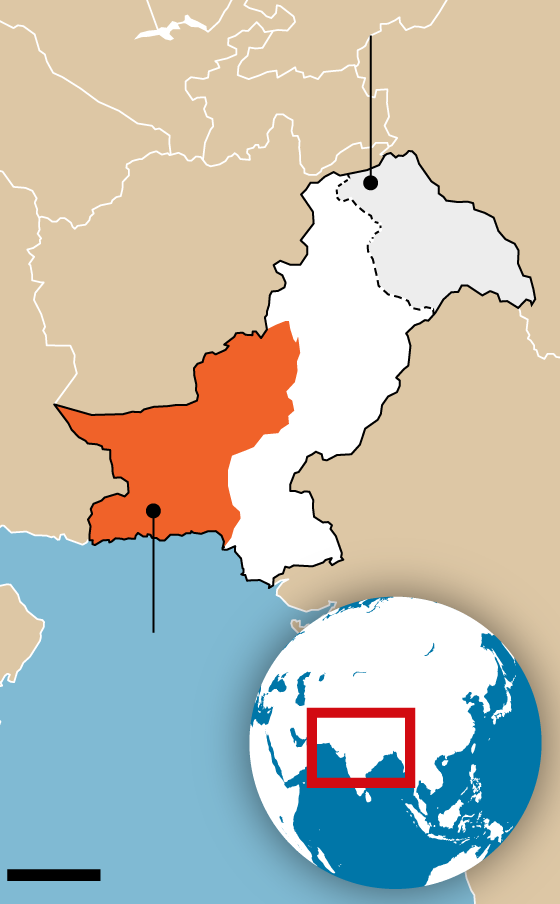
Balochistan is bordered to the west by Iran, to the north by Afghanistan, to the east by the Pakistani provinces of Khyber Pakhtunkhwa and Punjab, and to the south by the Arabian Sea. It is a territory rich in natural resources such as gas, coal, and minerals, and is also a strategic area for the port of Gwadar, key to the development of the China-Pakistan economic corridor. Of the 21.7 million people who live in Balochistan, the vast majority are from the Baloch ethnic group, which lives in marginalization and poverty. In addition to political autonomy, the separatist group also demands a greater share of the profits from the extraction of its resources.
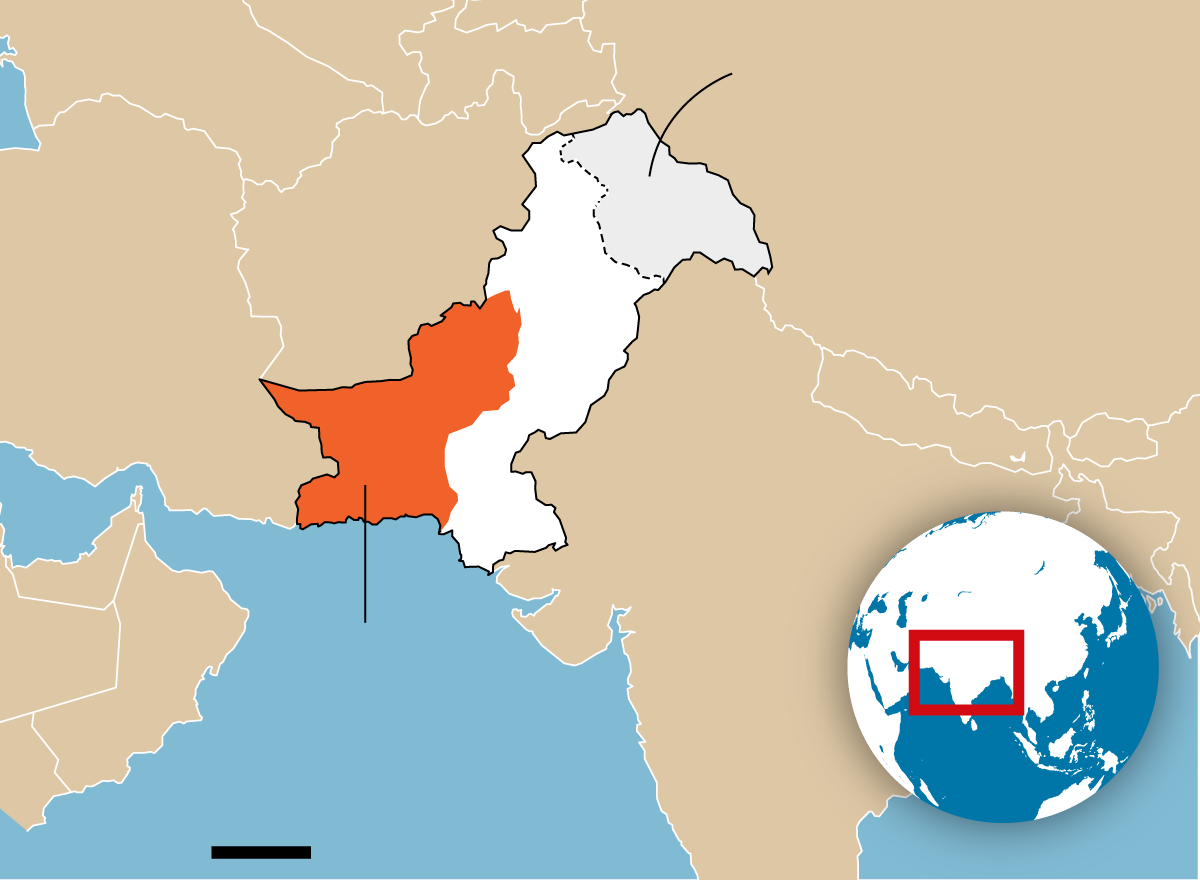
Caixmir, zona reclamada per l'Índia
AFGANISTAN
XINA
IRAN
PAKISTAN
NEPAL
ÍNDIA
BALUTXISTAN
200 km
Caixmir, zona reclamada per l'Índia
AFGANISTAN
PAKISTAN
IRAN
ÍNDIA
BALUTXISTAN
200 km
Caixmir, zona reclamada per l'Índia
AFGANISTAN
PAKISTAN
IRAN
ÍNDIA
BALUTXISTAN
200 km
Pakistan has again accused its arch-enemy India of supporting the Balochistan Liberation Army, something New Delhi denies. "We categorically reject the baseless accusations made by Pakistan," said the Indian External Affairs Ministry, adding that Islamabad should be responding to "the historical demands of the people of this region." This area has long suffered from violence and clashes between the army and rebel groups, as militant Islamist groups, such as the Pakistani Taliban, also operate there. Exodus of civilians
This situation of instability and violence is not limited to Balochistan. In recent days, tens of thousands of people from the Tirah Valley in northwestern Pakistan have fled their homes, fearing an army operation against insurgent groups on the Afghan border. Some 70,000 people have moved to nearby villages despite the extreme cold and snowfall, after mosques announced possible fighting. On Tuesday, Pakistan's Defense Minister, Khawaja Muhammad Asif, denied that an operation was being planned in Tirah, calling the movement a routine seasonal migration driven by harsh winter conditions. But a Pakistani military source with knowledge of the matter told Reuters that the relocation comes after months of consultations with various authorities in the area regarding the presence of militants. The Tirah Valley has long been an insecure area and a stronghold of the Tehrik-i-Taliban, an Islamist militant group allied with the Afghan Taliban that has carried out attacks against Pakistani security forces. Although this armed group is different from the Balochistan Liberation Army, it all poses a challenge for Islamabad, which is trying to maintain territorial control of these areas and has mobilized troops on both fronts.
